







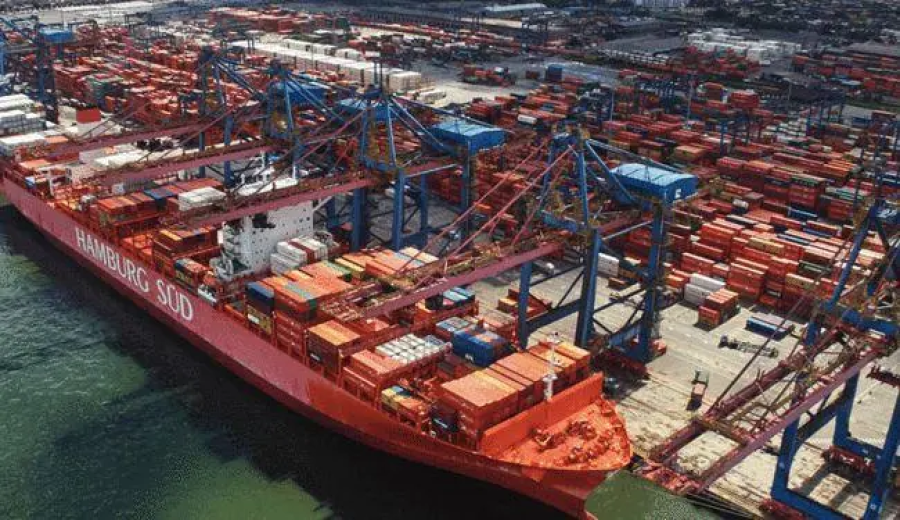
Introduction:In late January, Brazilian federal tax officials went on a nationwide strike, causing disruptions at major trade hubs such as the Port of Santos, and leading to significant delays in coffee export customs clearance. This incident not only affects short-term cargo flows but may also exacerbate instability in the global coffee supply chain, further driving up prices. This article provides an in-depth analysis of the scope of the strike, the types of goods affected, and the potential ripple effects on the market.
From January 22 to 26, tax audit officers from Brazil’s Federal Revenue Service launched a nationwide strike, bringing operations at multiple key air and sea ports—including the Port of Santos and Guarulhos International Airport—to a standstill. This move directly impacted Brazil’s coffee exports, especially green coffee beans that had not yet completed customs clearance procedures, which now face the risk of short-term delays. The market generally expects prices to rise slightly as a result.
During the strike, only perishable goods, fresh products, hazardous materials, pharmaceuticals, and food items were given priority for processing and customs clearance. As green coffee beans are classified as non-urgent primary agricultural food products, they were not included on the list for expedited clearance. Consequently, most containers carrying them were temporarily detained and unable to depart promptly. The Port of Santos—Brazil’s largest and busiest hub for coffee exports—is estimated to have around 6,500 import customs declarations and 4,000 export declarations that could not be processed on schedule, further worsening the already strained port efficiency.
It is worth noting that the Port of Santos was already struggling with issues such as aging facilities, slow management processes, and insufficient manpower prior to the strike, resulting in frequent cargo handling delays. According to observations by local research institutions, as many as 76% of ships experienced delays in December 2023 alone, with 15% of those delayed by more than four days. Now, with the added impact of the strike, overall logistics bottlenecks are expected to become even more pronounced.
The strike was initiated by the Union of Tax Auditors of the Brazilian Federal Revenue Service (Sindifisco), and its scope was extensive. In addition to São Paulo’s Port of Santos and Guarulhos Airport, it also included Viracopos Airport in Campinas and several customs agencies en route to Salvador, with the latter joining the protest on January 23. Participants came from customs and tax units across multiple states, including Alagoas, Paraíba, Pernambuco, and Rio Grande do Norte, while tax agency personnel in cities such as Porto Alegre, Santarém, and Pacaraima in Rio Grande do Sul also took part in the action.
Regarding the types of goods affected, the union explicitly stated that only perishable, fresh, hazardous, pharmaceutical, and food items would be granted fast-track customs clearance, while all other general goods—including green coffee beans—would face detention. For importers and exporters, this disruption will lead to delays in shipping schedules, further affecting global buyers’ arrival timelines and inventory planning.
Although there are currently no official statistics on the total value or specific losses of all affected goods, industry insiders generally believe that the strike will add further pressure to an already fragile international coffee supply chain. Especially against the backdrop of steadily growing global demand and ongoing weather-related uncertainties in major producing regions, any fluctuation in Brazil’s export efficiency—as the world’s largest coffee exporter—can quickly be reflected in market prices. Additionally, the recent escalation of geopolitical risks in the Red Sea has further increased transportation costs and uncertainties, and it is expected that both spot and futures coffee prices may see a slight upward trend in the short term.
The above content is compiled by CoffeeHunters, a coffee news website.


