







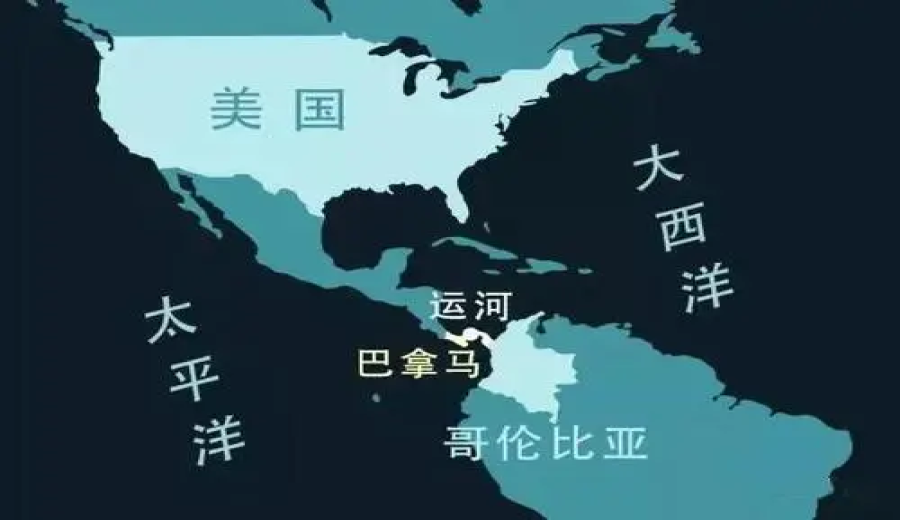
Introduction:Faced with the water level crisis triggered by prolonged drought in the Panama Canal, a 15-year coffee reforestation and planting initiative is underway in the Capira District on the western side of the canal. The project encourages farmers to grow Robusta coffee beans while restoring soil and water ecosystems through tree planting, and also provides technical training and economic support to farmers. This article delves into the details of the plan, its practical outcomes, and its deeper significance for the global coffee supply chain and sustainable water management.
In recent years, the Panama Canal has suffered from severe drought, with water levels hitting record lows. This not only affects global shipping and trade flows but also poses challenges to local agricultural activities. To alleviate the issue, a 15-year coffee reforestation and planting project has been launched in the Capira District on the western side of the canal. It aims to gradually restore eroded soils and polluted rivers by expanding Robusta cultivation and planting diverse tree species, thereby stabilizing the canal’s water supply.
It is understood that the Panama Canal Authority has invested $32 million into this project, benefiting approximately 1,700 local farmers. The initiative not only helps farmers increase their income but also brings positive impacts to the canal’s ecosystem along its route by encouraging the cultivation of specific coffee varieties and promoting sustainable farming practices.
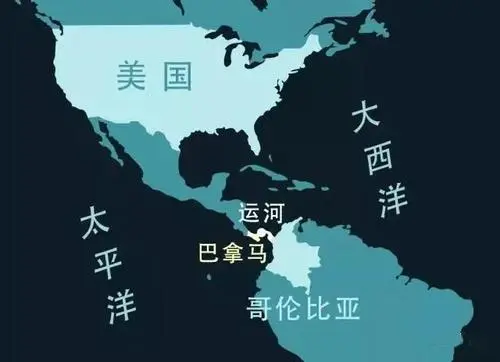
For a long time, Panama’s agricultural sector has made significant contributions to the national economy, with about 20% of the labor force employed in agriculture-related work. The country has a total cultivated area of 1.71 million hectares and more than 214,000 farms. However, persistent drought has placed considerable pressure on crop growth and overall agricultural output, prompting the government and relevant agencies to actively seek solutions.
Notably, the Panama Canal is a critical global trade artery, handling around 3% of the world’s maritime trade in normal years, as well as 46% of container traffic from Northeast Asia to the U.S. East Coast. It is also one of the Panamanian government’s main sources of revenue, contributing as much as $4.3 billion in 2022. However, affected by the drought, the canal currently allows only 24 ships to pass per day, far below the previous average of 38. The situation may even worsen in the future, with some shipping companies considering rerouting, which could further drive up transportation costs for commodities including coffee.
Against this backdrop, the coffee reforestation and planting initiative launched in the Capira District aims to gradually improve issues such as soil erosion and water quality degradation caused by long-term environmental damage. The project particularly encourages farmers to grow Robusta coffee beans, a variety commonly found in low-altitude regions and mainly supplied to the local market, complementing the predominantly exported Arabica variety. According to data from the U.S. Department of Agriculture, over 80% of Panama’s coffee production is Arabica, while Robusta accounts for only about 20%.
In addition to providing financial subsidies and planting guidance, the project includes comprehensive farmer training, teaching more environmentally friendly and sustainable farming methods, and assisting farmers in obtaining various certifications that can add value to their coffee. Local farmer groups participating in the program have stated that this policy has not only improved their economic conditions but also helped enhance regional climate conditions, thereby strengthening the canal area’s resilience to drought. Although the approach of combining coffee cultivation with reforestation cannot fully resolve water supply issues, it does play a role in buffering and restoring the environment to a certain extent.
According to the latest statistics, approximately 1,700 local farmers have joined the program. In the just-concluded coffee harvest season, the Capira region in the western basin of the canal alone harvested about 10,600 bags (each weighing 60 kilograms) of Robusta coffee beans, demonstrating the project’s tangible results in boosting production and promoting sustainable development. Experts point out that such measures combining agriculture with ecological restoration can effectively reduce further damage to surface water resources, which are vital to the canal’s operation, laying a foundation for future sustainable management.
The above content is compiled by CoffeeHunters, a coffee news website.


