







Introduction:Although Papua New Guinea is an island nation, it boasts exceptionally favorable conditions for coffee cultivation, especially in its high-altitude mountainous regions where unique Arabica varieties thrive. This article takes you on an in-depth journey through the development of the country’s coffee industry—from the early rise of estates to today’s smallholder-driven structure—and focuses on the Sigri Estate in the Western Highlands Province. We explore the growing background and refined flavors of its flagship product, the “Bird of Paradise” washed coffee, and provide practical insights for bean selection and brewing.
Located in the South Pacific, Papua New Guinea is the largest island nation in the region, with terrain that includes tropical rainforests, volcanic plateaus, and hilly areas. Elevations generally range between 1,200 and 2,500 meters, and the climate is typically oceanic—with stable temperatures and moderate humidity—offering ideal growing conditions for coffee trees. Since the introduction of coffee cultivation in the late 19th century, the country has gradually developed a unique coffee industry chain and gained a reputation for high-quality Arabica beans.
Dating back to the 1890s, coffee was first trial-planted locally, but at that time cultivation was sporadic and had not yet formed an industry. It wasn’t until 1926, when the government established 18 large-scale estates and introduced the Typica variety from Jamaica, that commercial production truly began. Due to the mountainous environment’s similarity to that of Blue Mountain, the coffee quality at the time was highly praised, earning it the nickname “Little Blue Mountain.”
In the late 1970s, the government actively promoted the transformation of small farms into cooperatives, hoping to stabilize the market through collective strength. However, subsequent global coffee price declines led many large estates into operational crises. Fortunately, over 90% of the country’s producers are smallholder farmers, who were less affected by market fluctuations. Coupled with their general commitment to cultivating Arabica varieties, this helped the coffee industry continue to thrive. To this day, Papua New Guinea’s coffee production remains smallholder-driven, with over 95% of the varieties being Arabica.
The country’s main coffee-growing regions are concentrated in five highland provinces: Western Highlands, Eastern Highlands, Chimbu, Morobe, and East Sepik. Among these, Eastern Highlands and Western Highlands primarily grow Typica, along with small amounts of Catimor and Bourbon; other regions also cultivate coffee, but the quality is generally lower and Robusta varieties dominate.
Within the Waghi Valley of the Western Highlands Province, at elevations of approximately 1,000 to 1,800 meters, lies one of Papua New Guinea’s most iconic coffee estates—the Sigri Estate. The area features ancient dormant volcano remnants, and its volcanic soil is rich in various minerals. Combined with a cool climate and abundant rainfall, it provides an excellent environment for coffee trees. This province is not only the highest-yielding coffee region in Papua New Guinea but is also known for its consistently high quality.
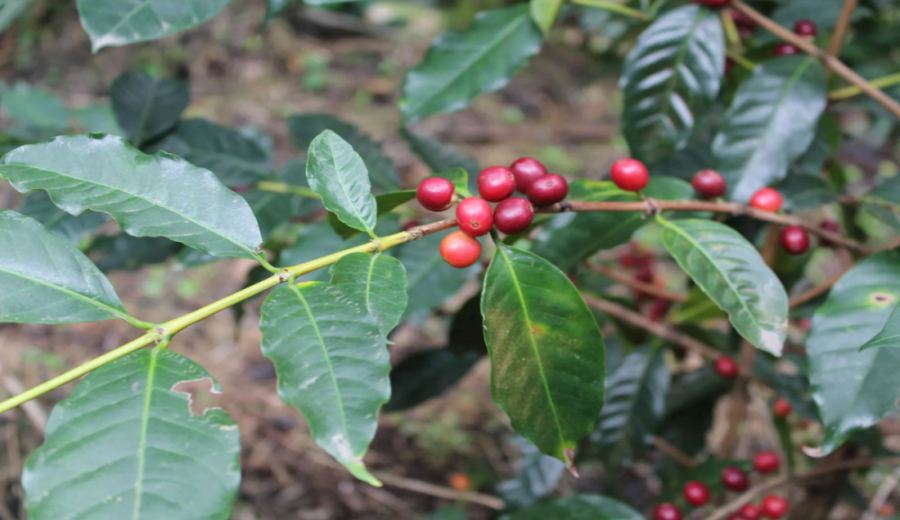
Established in 1950, the Sigri Estate is one of the pioneers of the local coffee industry. The estate strictly adheres to high standards in both cultivation and post-harvest processes, committing to pesticide- and chemical insecticide-free practices to preserve soil and water sustainability. During harvesting, only fully ripe red coffee cherries are selected, and processing is completed on the same day to retain optimal flavor. These details have earned the Sigri Estate’s coffee an outstanding reputation in the international market.
Notably, the green beans from the Sigri Estate feature a “Bird of Paradise” pattern on their packaging—this bird is the national symbol of Papua New Guinea, representing freedom and happiness. As a result, locals often affectionately refer to the estate’s coffee as “Bird of Paradise” beans. Currently, several well-known companies, among others, have introduced this washed coffee bean.
The imported Sigri Estate Bird of Paradise coffee beans are processed using the washed method. It is recommended to use a Kono filter and a 1:15 coffee-to-water ratio for pour over. The resulting cup exhibits a well-balanced flavor profile, opening with pronounced caramel and cocoa aromas accompanied by delicate almond notes. As the temperature slightly cools, gentle citrus acidity emerges, creating a complex yet harmonious overall profile—making it an excellent choice for coffee enthusiasts who enjoy medium-to-dark roast flavor characteristics.
In summary, although Papua New Guinea’s coffee industry started relatively late, it has successfully developed distinctive, high-quality Arabica coffee by leveraging its unique natural conditions and the meticulous farming practices of smallholders. If you’re looking to try a washed coffee bean with balanced flavor and notable sweetness, the Bird of Paradise beans from the Sigri Estate are definitely worth a try.
The above content is compiled by CoffeeHunters, a coffee news website.


