







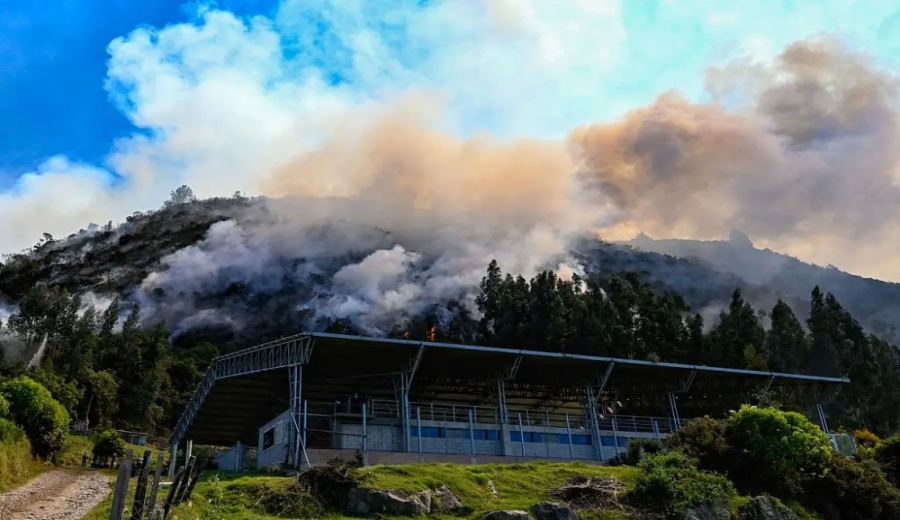
Introduction:Colombia has recently experienced historically rare high temperatures and drought, triggering over 500 forest fires nationwide, prompting the country to declare a state of natural disaster. Several major coffee-growing regions in the central and southern parts of the country have also been affected, and the period from March to June is the critical harvesting season for coffee beans in these areas. This article delves into the potential threats of the fires to the coffee supply chain and provides practical insights into the current situation in the producing regions and the impact of the climate, helping consumers and industry professionals stay informed on the latest market developments.
Colombia has recently been hit hard by extreme weather, with continuously intensifying high temperatures and drought across the country, leading to over 500 forest fires and a severe situation. In response, Colombian President Pedro has officially declared a state of natural disaster nationwide to concentrate resources on addressing the worsening disaster.
Among them, the central Cundinamarca Province has been particularly hard-hit, becoming one of the worst-affected areas in this wave of fires. The provincial government has activated the public disaster emergency mechanism and declared a state of emergency across the entire province. According to statistics from the local fire department, a total of 35 forest fires have occurred in 25 municipalities in the province, of which 22 have been extinguished, 5 brought under control, but 8 remain active, with the burned area having expanded to approximately 40 hectares.
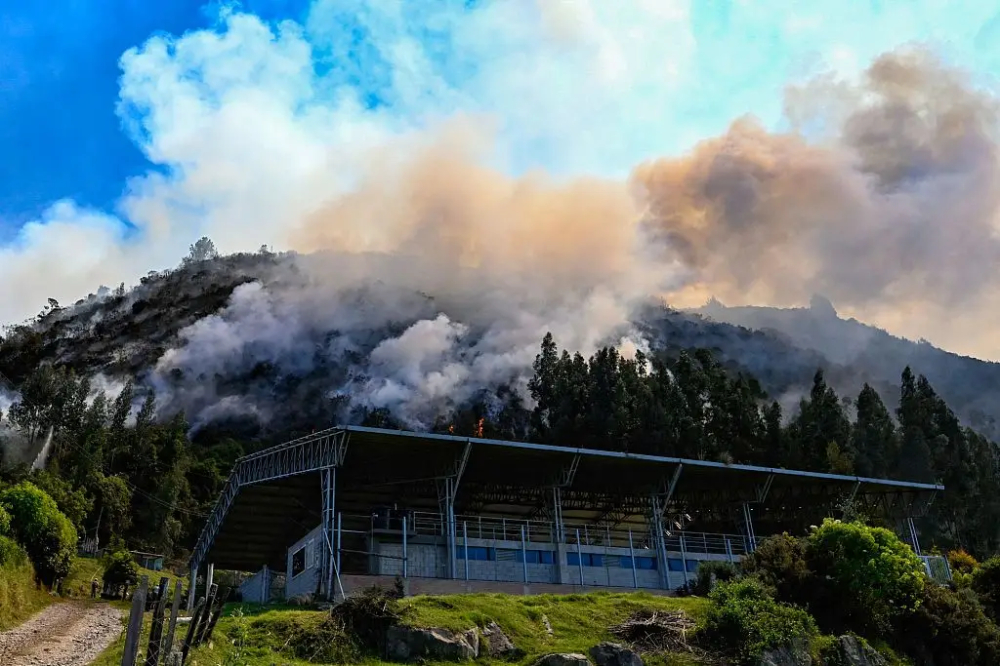
These fires have not only caused serious damage to the natural ecology but also directly threaten the country’s vital economic lifeline—the coffee industry. Colombia is a globally renowned exporter of Arabica coffee beans, with its main coffee-growing regions concentrated in the central and southern parts of the country, where the period from March to June each year is the primary harvesting and production season for coffee beans. Although there are currently no official statistics showing how much coffee crop loss has been directly caused by the fires, the industry is widely deeply concerned about production in the coming months.
Experts point out,high temperatures and drought accelerate the evaporation of soil moisture, affecting the growth and fruiting of coffee trees, while persistent fire smoke may interfere with pollen transmission and photosynthesis, further reducing the yield and quality of coffee beans. In addition, the ash and soil changes after a fire may also affect the planting environment in the coming seasons.
According to data from Colombia’s National Disaster Risk Management Agency, 385 hectares of forest land have currently been affected by fires, with 21 active fire points still remaining. Widespread vegetation destruction has forced a large number of wild animals to migrate, with some even entering urban areas seeking refuge. Meteorological data shows that multiple regions have recently set new high-temperature records, with the fire risk in most parts of the country remaining high. Currently, 977 municipalities have been placed on fire alert, with 681 of them at the highest red alert level.
With temperatures continuing to rise and rainfall extremely low, it is expected that more areas may be added to the high-risk list in the future. President Pedro further stated that the fires have led to water shortages in over 60 municipalities, while the risk of landslides has also significantly increased. To respond effectively, the government has enacted natural disaster-related decrees, mobilizing various resources for firefighting and disaster relief efforts, and does not rule out seeking international support if necessary.
Given the current situation, although the direct damage caused by the fires to coffee-growing regions still awaits further assessment, it is certain thatthe ongoing high temperatures, drought, and fires will have a non-negligible impact on coffee harvests and quality in the coming months. For consumers, the stability of Colombia coffee supply and price fluctuations in the coming months are both worth continued attention.
The above content is compiled by CoffeeHunters, a coffee news website.


