







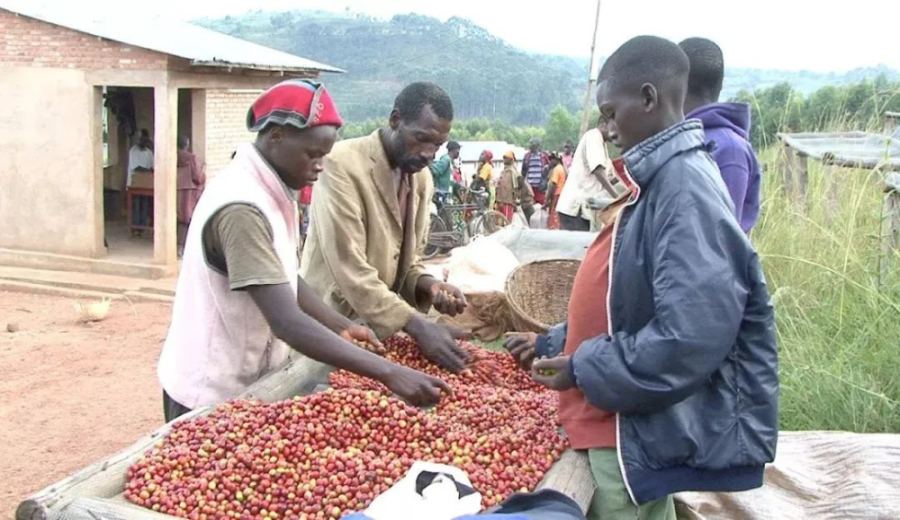
Introduction:An in-depth exploration of Burundi’s coffee development journey, from its colonial-era plantation origins to its current transformation into a specialty coffee powerhouse. This article introduces five renowned producing regions and the main cultivated varieties. It also provides a detailed look at the country’s signature double-washed processing method, along with practical insights on harvest seasons and altitude ranges—making it an essential guide for coffee enthusiasts seeking unique flavor profiles.
Known as the “Land of a Thousand Hills,” Burundi is located in the central-eastern part of Africa, predominantly situated on the highlands east of the East African Rift Valley, with an average elevation of about 1,600 meters. The cool climate and significant diurnal temperature variations provide ideal conditions for producing high-quality specialty coffee.
Coffee is not native to Burundi but was introduced by Belgian colonists in 1930. After gaining independence in 1962, the coffee industry was briefly nationalized. However, the outbreak of civil war in the 1990s severely disrupted production. In the post-war period, peace and economic reforms helped restore coffee as a key cash crop, and the government gradually moved toward privatizing the supply chain. A turning point came in 2007 when the government first permitted private investment in building washed coffee processing facilities. By 2011, the first COE (Cup of Excellence) competition was held, attracting international buyers and leading to the establishment of over 175 washed processing sites nationwide. This propelled Burundi’s coffee toward greater specialty recognition.
Burundi has five major coffee-producing regions: Kayanza, Kirimiro, Kirundo, Muyinga, and Ngozi. All these regions lie at elevations between 1,350 and 1,700 meters, which not only supports healthy coffee tree growth but also contributes to pronounced fruit acidity and complex aromas. The harvest season mainly falls between April and July each year, making it an excellent time to source fresh lots.
In terms of varieties, Burundi grows classic cultivars such as Bourbon, Caturra, Catuai, Jackson, and the SL series, along with the rarer Mibirzi. There is also around 4% Robusta, but the specialty market remains dominated by Arabica.
Currently, the country has approximately 283 processing stations and 8 hulling factories, mostly concentrated in the central-northern region. Washed processing is the dominant method, accounting for up to 80%, followed by natural (sun-dried) processing at around 15%, and honey processing at about 5%. Among these, Burundi’s washed processing technique is particularly distinctive—its renowned “double-washed process,” also called “double fermentation,” is on par with Kenya’s and involves meticulous steps that significantly enhance coffee flavor.
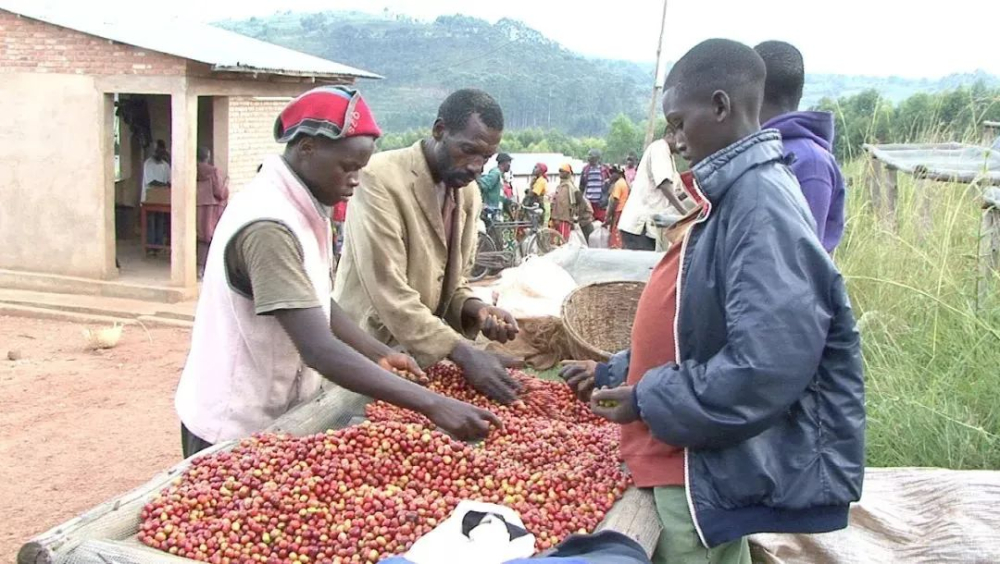
Here’s how this special process works: First, freshly harvested coffee cherries are sorted to remove unripe or damaged fruits, and the outer skin is stripped away. The beans, still covered in mucilage, are then transferred to elevated fermentation tanks for the first fermentation. This stage can be either wet or dry fermentation, depending on the processor’s preference. After a set period, the beans are rinsed with clean water to remove most of the attached pulp. The beans are then moved to lower fermentation tanks for a second fermentation. This stage requires stricter management, typically involving regular water circulation every few hours to prevent over-fermentation, which could lead to off-flavors or mold. After the second fermentation, another thorough washing ensures no residual mucilage remains. Finally, the parchment beans are soaked in clean water tanks for at least 12 hours to allow final settling and stabilization, before being spread out on drying beds for prolonged drying until they reach the safe moisture level for storage.
Though time-consuming and labor-intensive, this double fermentation and multi-wash method effectively reduces impurities and unwanted flavors while enhancing clarity and complexity in the cup. As a result, Burundi coffees often exhibit bright citrus acidity, wine-like sweetness, and distinctive nutty and floral notes in the finish—qualities that make them highly favored among pour-over and filter coffee enthusiasts.
The above content is compiled by CoffeeHunters, a coffee news website.


