







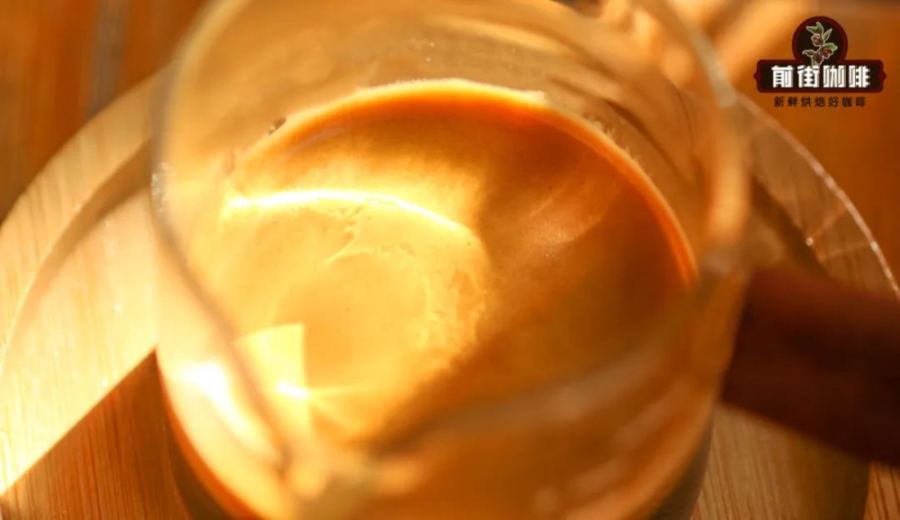
Introduction:The golden foam on the surface of an espresso is often called Crema or simply "oil," but these two terms actually carry a common misunderstanding. Many people believe that the thicker the Crema, the better the coffee tastes—but is this really the case? This article delves into the origins of Crema, why it forms, and how factors such as roast level, freshness, and bean variety influence its thickness, helping you fully understand the true role this layer of foam plays in your coffee’s flavor.
What do you usually call that fascinating golden foam on top of an espresso? Some refer to it as Crema, while others instinctively call it oil. But behind these two words lies an interesting misconception. From the very beginning, this foam has been one of the defining features of espresso extraction by espresso machines—one of the biggest differences compared to other brewing methods. So, how should we view this golden layer correctly? And can it really be used as a criterion for judging the quality of coffee?
Looking back at history, in the early days of espresso machines, this foam produced under high pressure was the most obvious distinction between them and traditional drip or French press methods. At the time, only espresso machines could extract coffee with fine, rich foam under high pressure. Because of its uniqueness, people began naming this foam to highlight its special status.
Right after extraction, Crema has a dense texture with a slight sheen, resembling freshly whipped cream just before it’s fully aerated. That’s why some initially described it using the Spanish word “Crema,” which means cream. However, when this term entered Chinese-speaking communities, due to linguistic and cultural differences, many mistakenly thought it referred to an oily texture. Over time, this foam came to be called “oil.” Although the term “oil” is not technically accurate, it has become widely used. For ease of communication—especially with beginners—many coffee educators still use the term.
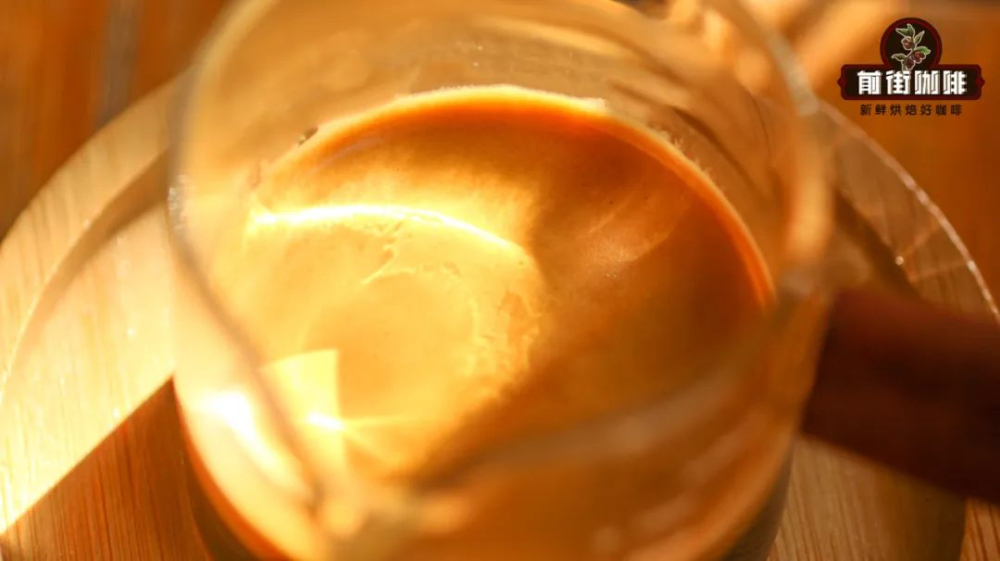
But then comes a common question: Does a thicker Crema (or so-called oil) mean the coffee tastes better? Many people, upon first tasting an espresso with a thick Crema, are often drawn in by its rich appearance and bold mouthfeel, leading them to assume that the thicker the Crema, the higher the coffee’s flavor profile.
In reality, while the thickness of Crema does affect the visual appeal and certain aromatic aspects of an espresso, it is neither the sole nor the primary factor determining flavor quality. Crema can enhance the coffee’s complexity, sustain the release of aromas, and make the mouthfeel smoother—but it doesn’t alter the underlying flavor characteristics of the coffee itself. In other words, Crema is just one part of the overall flavor experience, not the whole.
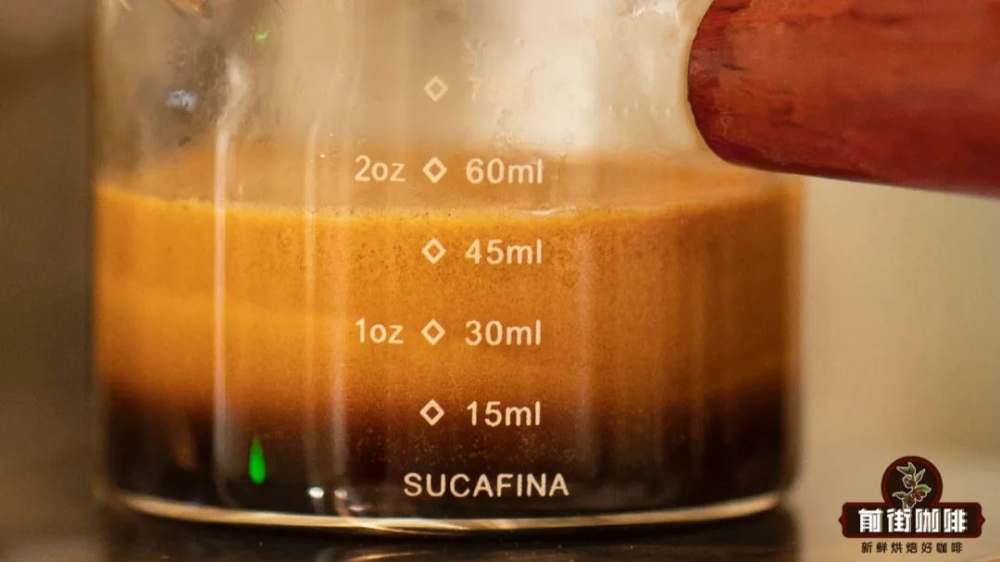
So, what influences the thickness of Crema? First, the roast level. Generally speaking, the darker the roast, the more porous the internal structure of the coffee beans becomes. This allows more carbon dioxide to be released under high pressure, resulting in richer and thicker Crema. In contrast, lighter roasts have a tighter structure and release less gas, leading to thinner Crema.
Second, the freshness of the beans also plays a key role. After roasting, coffee beans continue to release carbon dioxide, especially during the first few weeks post-roast when this activity is most vigorous. Therefore, to achieve thick Crema, it’s recommended to use beans roasted within 5 days to 2 months. During this period, carbon dioxide levels are highest, helping to form a rich foam. However, it’s worth noting that while freshly roasted beans may be full of gas, their overly active state can sometimes result in rough, quickly dissipating Crema—or even a noticeable “scorched” sensation—which can negatively affect the overall drinking experience.
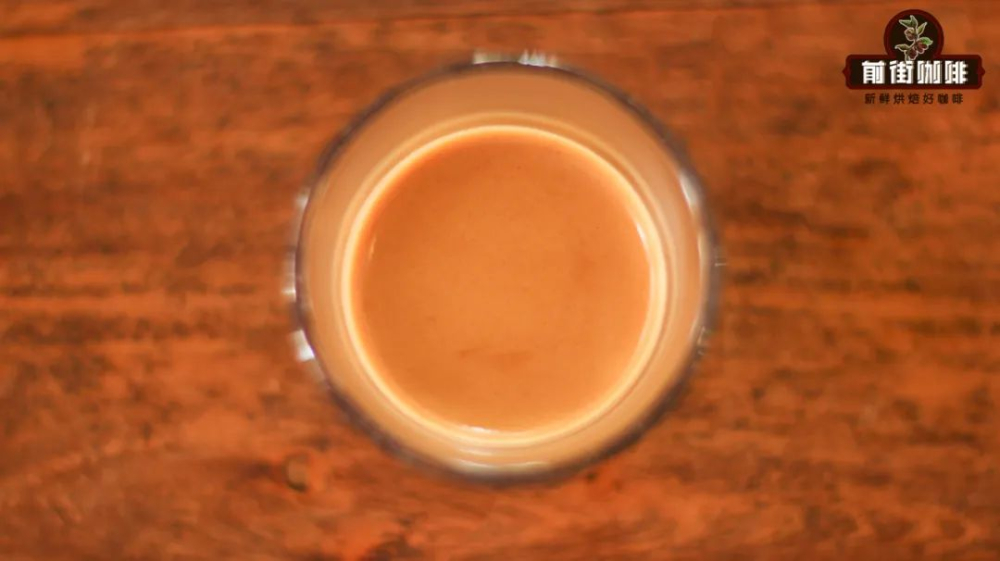
Finally, the coffee bean variety also has a significant impact. The two most common varieties on the market today are Arabica and Robusta. Arabica typically contains about 14% to 18% lipids, while Robusta has slightly less, around 9% to 12%. Interestingly, although Robusta has a lower lipid content, due to differences in its internal structure and gas-release properties, it can produce thicker Crema under the same roast conditions. However, Robusta generally has a bolder, more intense flavor profile, often with pronounced bitter, smoky, and nutty notes—whether it suits your personal taste is another matter to consider.
In summary, the thickness of Crema is indeed closely related to roast depth, bean freshness, and variety, but it is not an absolute standard for judging the quality of an espresso. Understanding the principles behind Crema formation allows you to truly appreciate the supportive role this golden foam plays in your coffee, rather than being limited by the myth that “the thicker the oil, the better.”

The above content is compiled by CoffeeHunters, a coffee news website.


