








Introduction:Cleaning and maintaining your grinder is a key factor affecting coffee extraction quality and equipment lifespan. Many users wonder: can grinders be washed with water? In fact, the cleaning method depends on the type of equipment and how it's used. This article provides an in-depth look at the three levels of grinder maintenance—daily light cleaning, no-disassembly cleaning, and regular deep cleaning—for both hand-cranked and electric grinders. It also offers guidance on when water-based cleaning is appropriate, along with practical tips to help you maintain optimal grinding performance.
During the coffee extraction process, the cleaning and upkeep of grinders is often overlooked, yet it directly impacts the purity of coffee flavor and the longevity of the equipment. Commonly available grinder types on the market fall into two main categories: hand-cranked and electric. Regardless of which you choose, regularly cleaning the burrs and preventing the buildup of coffee grounds and oils is essential for maintaining consistent flavor.
After coffee beans are ground, the metal burrs and grounds chamber surfaces can easily generate static electricity due to friction, causing fine particles to cling—especially the oils released from dark roasted beans, which tend to accumulate more readily in the burrs and channels. If not removed over time, this can lead not only to unpleasant oily or rancid flavors but also to cross-contamination between different batches of coffee grounds, and even channel blockages that impair grinding efficiency.

For daily grinder maintenance, you can start with simple light cleaning steps. After each use, it’s recommended to let the burrs spin freely for a few seconds or gently tap the machine body to help loosen any attached coffee residue. Then, use a dedicated brush or a blow ball to carefully clean the bean hopper, chute, and grounds catch tray, ensuring there are no visible coffee particles left behind. For electric grinders, also check the power cord and plug for damage after use, to avoid additional issues caused by moisture or rodents.
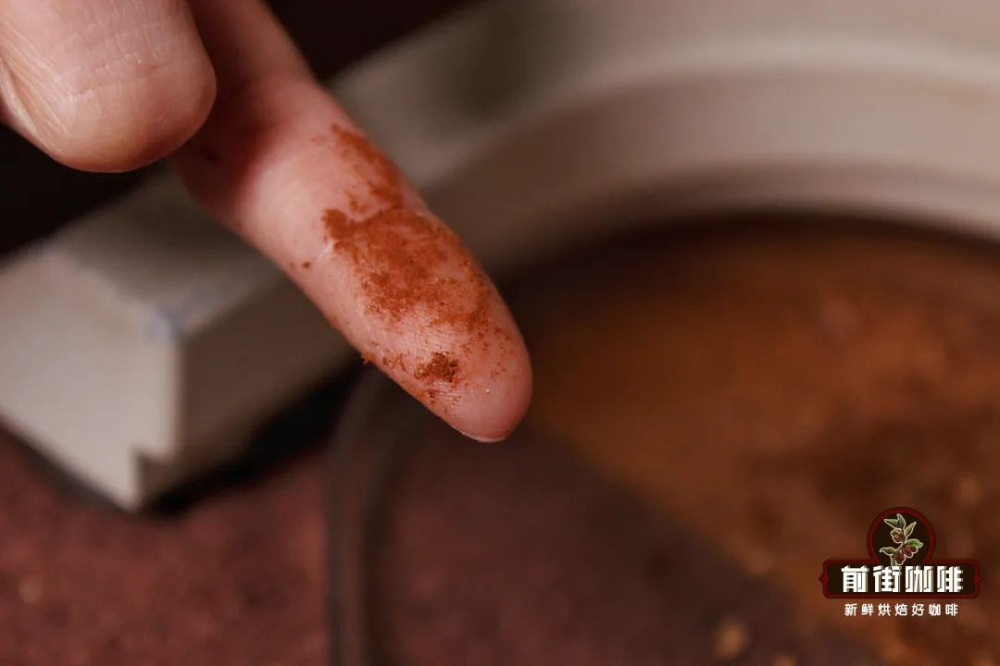
However, these basic cleaning actions typically only remove loose residue. If you notice a noticeable layer of coffee dust still clinging to the inside walls of the grounds chamber, it means finer residues have gradually built up—and that’s when deeper cleaning is needed.
For users who aren’t familiar with disassembling machinery, using cleaning tablets is a convenient and safe option. Simply place an appropriate amount of cleaning tablets into the bean hopper and operate the grinder as usual. The friction from the tablets will help dislodge tiny residues trapped in the burrs and channels. This method is recommended every 2 to 3 months, or you can adjust the interval if you brew coffee less frequently. Note that when using cleaning tablets, the grind size should be adjusted to a medium-coarse level, similar to coarse sugar; too fine a setting may cause the cleaning tablet residue to remain, which could negatively affect subsequent coffee extraction.
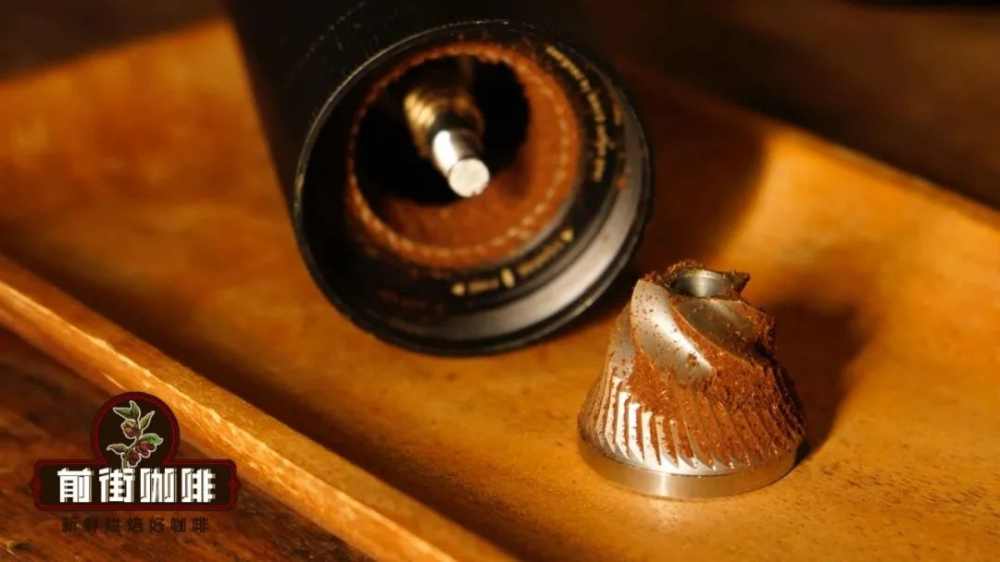
If you notice the grinder becoming jammed or difficult to turn, uneven particle sizes, or an unusually high proportion of fine particles, these may be signs of buildup in the burrs or internal channels—and it’s time to perform a regular deep clean.
Most hand-cranked grinders are designed to allow users to fully disassemble them, making it easy to thoroughly clean core components such as the axle and burrs. After disassembly, it’s recommended to first remove surface coffee powder with a brush, then gently wipe the burrs with dry paper towels to remove oils. If the burr core is made of standard stainless steel, you can carefully rinse it quickly with water—but be sure all parts are completely dry before reassembling to prevent rust or operational issues due to moisture.
In contrast, the internal structure of electric grinders is more complex. Unless you have professional knowledge, it’s advisable to have disassembly and deep cleaning handled by a qualified technician. Improper handling may result in lost parts or mechanical damage, affecting the stable performance of the equipment.
The above content is compiled by CoffeeHunters, a coffee news website.


