







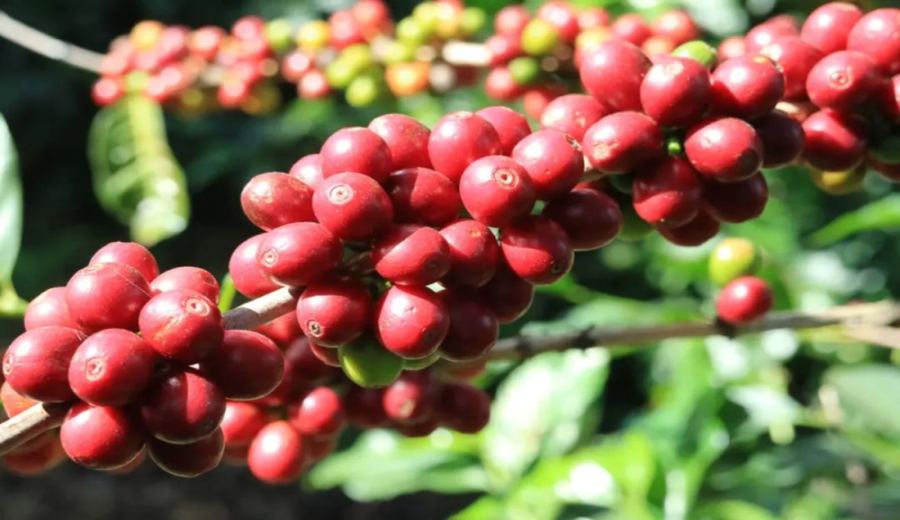
Introduction:As a classic Arabica variety, Bourbon coffee boasts a rich history and excellent flavor, yet it has gradually been replaced by various improved cultivars due to its limited yield and low resistance to diseases. This article provides an in-depth analysis of the four most important Bourbon derivatives—Caturra, Villa Sarchi, Pacas, and Bourbon Mayagüez—covering their origin mutations, plant characteristics, ideal altitudes, flavor profiles, major global growing regions, along with practical brewing recommendations. It helps coffee enthusiasts gain a comprehensive understanding of these influential Central and South American mainstay varieties.
Bourbon coffee is not only one of the representative varieties within the Arabica species but also played a pivotal role in the early development of specialty coffee due to its elegant flavor and high-altitude adaptability. However, with relatively lower yields and limited resistance to major diseases such as leaf rust, Bourbon has been increasingly replaced by improved varieties like Caturra, Catuai, and Mundo Novo in many parts of Latin America. Even so, Bourbon and its derivatives remain widely cultivated in countries such as Brazil, Guatemala, and El Salvador, among which Caturra, Villa Sarchi, Pacas, and Bourbon Mayagüez are the most representative and commonly found among premium coffee bean selections on the market.
Caturra is one of the most common natural mutations of Bourbon, originating in Brazil in the early 20th century. This mutation results in significantly shorter plants, about half the height of traditional Bourbon, allowing for denser planting—typically between 5,000 to 6,000 plants per hectare. This not only increases yield per unit area but also improves farm management and harvesting efficiency. In terms of flavor, Caturra retains the bright acidity and complex layers typical of the Bourbon family, often exhibiting notes of citrus, red berries, and caramel. It is now widely grown in countries such as Guatemala, Costa Rica, Honduras, and Panama. Notably, Caturra is also one of the parent varieties of the widely used Catimor lineage, which greatly enhanced resistance to leaf rust through hybridization with the disease-resistant Timor variety. It is recommended to try an anaerobically sun-dried Caturra, such as the “Flower Moon Night” from Colombia’s Sivigoda region, brewed using a V60 with a 1:15 coffee-to-water ratio. This brings out pronounced strawberry aroma and a vinous fermentation character, complemented by notes of peach, tropical fruit, and chocolate, delivering a smooth mouthfeel with rich complexity.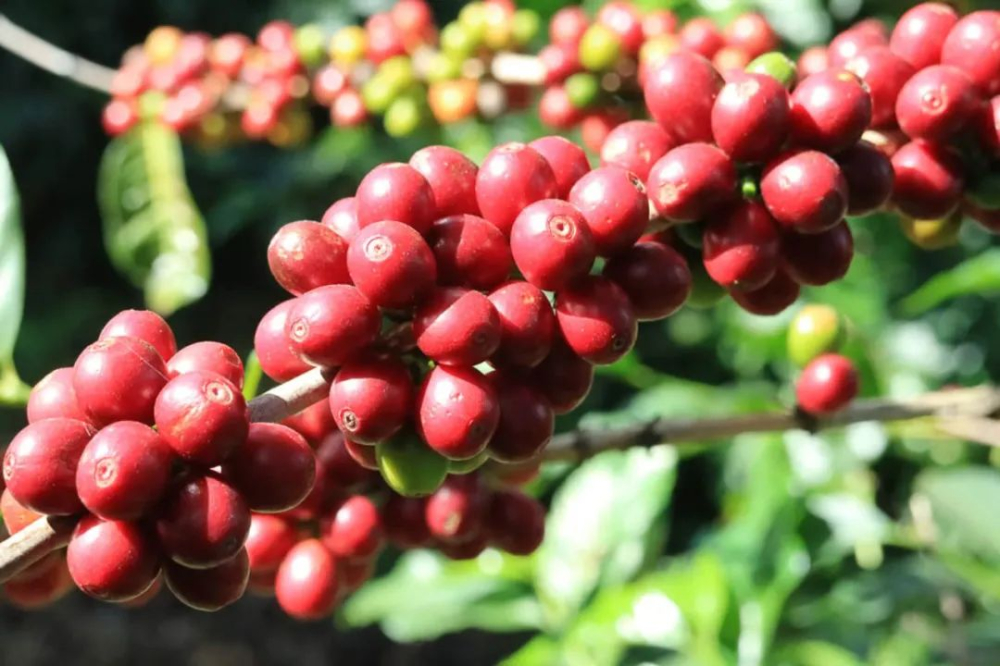
Villa Sarchi is another natural dwarf mutation originating from Bourbon, discovered in western Costa Rica around 1956. The standout feature of this variety is not only its short stature that allows for dense planting, but also its outstanding environmental adaptability, especially its ability to consistently bear fruit in high-altitude areas with strong winds and frequent rain while maintaining a relatively low rate of fruit drop, contributing to overall yield stability. Villa Sarchi is mainly cultivated in the highlands of Costa Rica, particularly thriving in volcanic soil and misty environments. Its flavor profile typically features delicate lemon acidity, floral notes, and honey-like sweetness, with a clean and refreshing finish. It is a reliable choice for many specialty coffee farms. If you appreciate the balanced expression of high-altitude Bourbons, Villa Sarchi is a must-try variety.
Pacas is another well-known Bourbon mutation originating in El Salvador. It was first discovered in 1949 at the Pacas family estate in the Santa Ana department, hence its name. Similar to other Bourbon variants, Pacas also exhibits dwarfism due to a single-gene mutation, making it suitable for intensive cultivation and improving yield per unit area. In addition to being well-suited for hillside terraces, Pacas showcases a rich and full-bodied flavor profile, often featuring deep berry, spice, and chocolate layers. This variety is currently mainly distributed in the highland areas of El Salvador and Honduras. A recommended option is a Honduran coffee bean processed in a sherry cask, combining the genetics of Caturra, Catuai, and Pacas. Brewed using a V60 with a suggested 1:15 coffee-to-water ratio, it offers a vanilla cream top note, followed by a complex profile of whiskey, berries, almonds, and dark chocolate, with a soft maple-like sweetness lingering on the finish. Its flavor layers are highly distinctive.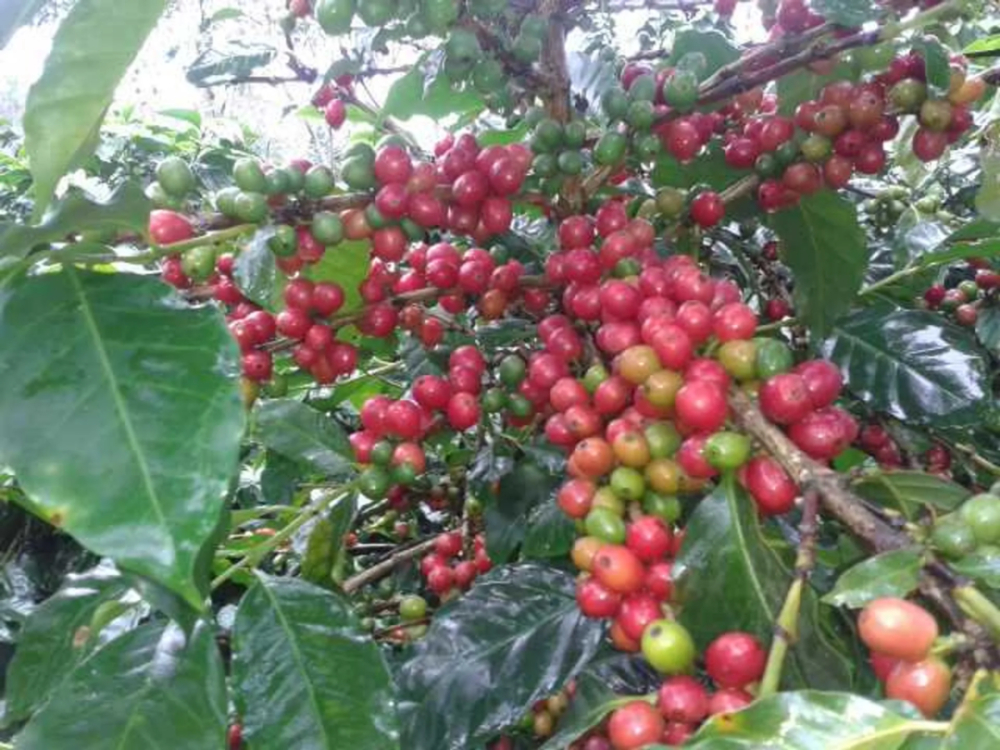
Finally, we introduce Bourbon Mayagüez, which has an extraordinary transoceanic backstory. This variety originated in Puerto Rico and was initially part of a Bourbon lineage introduced to Central America by the United States Department of Agriculture. It was cultivated and selected in the Mayagüez region of Puerto Rico. Later, this germplasm was introduced to Rwanda in Africa, where local breeding institutions carried out years of selection and eventually developed the stable and low-altitude-adapted Bourbon Mayagüez 71/139. Although its yield performance is not as high as that of original Bourbon and it is susceptible to common diseases, its greatest advantage lies in its ability to grow normally in relatively low-altitude environments (around 1,200 meters or less), offering a viable planting option for coffee farms with certain limitations. Currently, Bourbon Mayagüez is mainly grown in Rwanda and Burundi, with flavors typically presenting as mild nuts, brown sugar, and soft fruit acidity, making it suitable for consumers who prefer a low-acidity, full-bodied taste.
In summary, the four major derivatives of Bourbon each possess unique plant characteristics, environmental adaptability, and flavor profiles. Whether it’s Caturra, which pursues high-density planting efficiency, Villa Sarchi with its stable weather resistance, Pacas with its bold flavors, or Bourbon Mayagüez with its special environmental adaptability, they all demonstrate the diverse evolutionary potential of the Bourbon system under different conditions. For coffee enthusiasts, gaining a deeper understanding of these varieties not only enhances recognition during tasting but also provides clearer guidance when selecting beans, further enriching the enjoyment of details in the pour over or extraction process.
The above content is compiled by CoffeeHunters, a coffee news website.


