








Introduction:The flavor profile of pour over coffee is delicate and understated. To truly appreciate its nuances, it's essential to master the correct tasting methods. This article will guide you through a systematic understanding of the tasting dimensions of pour over coffee — from the dry aroma after grinding, the wet aroma during brewing, to the acidity, sweetness, bitterness, and saltiness brought by water-soluble substances, and finally to the mouthfeel shaped by insoluble components. By grasping these key elements, you’ll build a clear framework for tasting and more effectively experience the unique charm of coffee.
Compared to the bold and direct flavors of espresso, pour over coffee often expresses itself in a more subtle and restrained manner. To deeply understand the essence of this beverage, patience is required, as well as a systematic approach to tasting. This article will analyze the key points of pour over coffee tasting across multiple dimensions, helping you establish a complete sensory experience framework.
The first thing you encounter is the olfactory experience of the coffee. When coffee beans are ground, volatile compounds are immediately released, forming what we perceive as the dry aroma. These aromatic molecules present themselves in sequence based on their molecular weight: lighter molecules bring initial fresh notes such as flowers and fruits; medium-weight molecules offer nutty aromas like hazelnuts and almonds; and finally come the heavier molecules that present caramel and pine resin notes. It’s worth noting that not all coffee beans exhibit all these aroma layers — for example, heavy molecular aromas typically only appear in dark roast beans. In addition to the dry aroma, the wet aroma released during brewing and the lingering aroma after brewing are equally worthy of careful appreciation.
Next comes the taste perception stage. When coffee enters your mouth, the four basic tastes — acidity, sweetness, bitterness, and saltiness — perceived through your taste buds all originate from water-soluble substances in the coffee.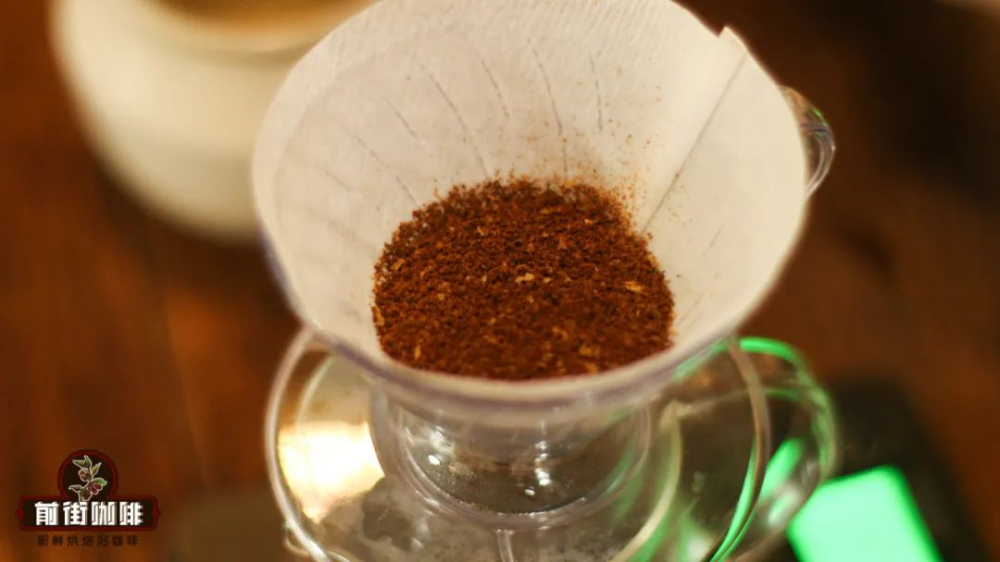 However, relying solely on taste cannot fully identify specific flavor notes, such as citrus or floral tones. These flavors are mainly perceived through retronasal olfaction: when coffee comes into contact with saliva in the mouth, aromatic compounds in the oils vaporize. These volatile molecules travel through the olfactory nerves at the back of the nasal cavity to the brain. Combined with taste information, your brain matches them to similar flavor impressions stored in your memory.
The mouthfeel experience comes from the insoluble substances in the coffee liquid.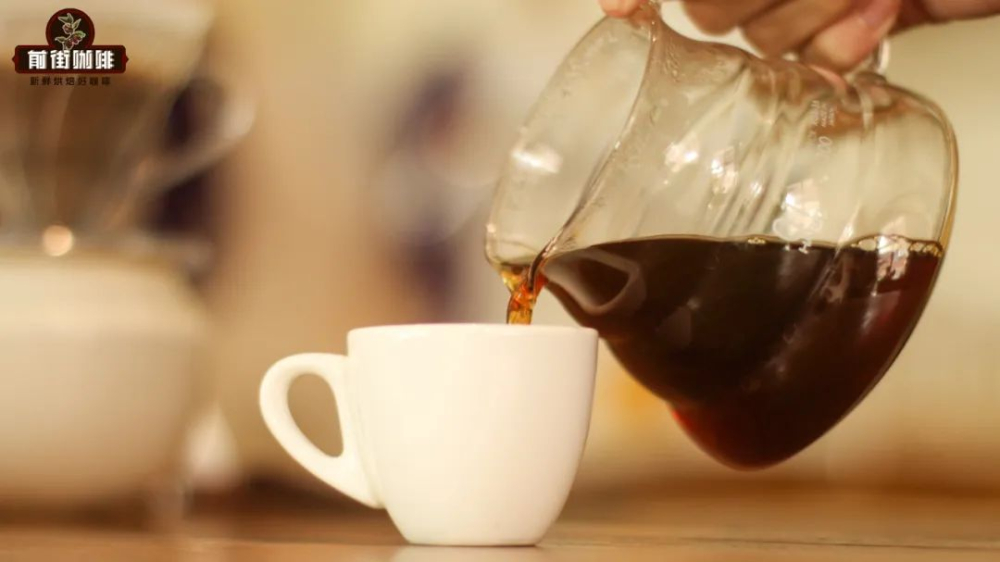 These include components such as oils and coffee fibers, which directly affect how the coffee feels in your mouth. Common descriptors for mouthfeel include full-bodied, thin, smooth, and astringent. The full-bodied sensation comes from the rich content in the coffee liquid, which delivers a dense tactile quality, while a thin feeling results from insufficient substance, creating a hollow impression. Roast level significantly impacts mouthfeel: light roast coffee tends to have less oil, resulting in a relatively refreshing texture; dark roast coffee contains more oil, producing a smoother feel. Particular attention should be paid to astringency — this rough sensation mainly stems from the degradation products of chlorogenic acids during roasting, and is usually related to green bean quality or overly light roasting.
When tasting pour over coffee, it’s recommended that you don’t rush to identify specific flavor types. Instead, begin by establishing the correct sensory framework. By systematically experiencing the three foundational dimensions — aroma, taste, and mouthfeel — you’ll gradually develop a sharper coffee perception ability. Remember, professional coffee tasting is a gradual process. Starting with basic sensory experiences and gradually progressing to identifying complex flavors allows you to truly enjoy the refined pleasure that pour over coffee offers.
By mastering these tasting points, you’ll not only better appreciate the unique charm of pour over coffee, but also make more targeted adjustments to your brewing parameters in daily use, achieving a more satisfying drinking experience.
The above content is compiled by CoffeeHunters, a coffee news website.


