








Introduction:Want to become an expert who can identify coffee processing methods just by looking at the beans? By mastering the color of green beans, the condition of the silver skin, and the roasting characteristics of roasted beans, you too can easily distinguish between natural, washed, and honey processes. This article delves into the full workflows of the three major processing methods, detailing the differences in green bean appearance and aroma profiles, and offering practical identification tips through the presence of silver skin residue and color distribution on roasted beans—even anaerobic process beans can be instantly recognized.
Have you ever wondered why some coffee enthusiasts can accurately determine a bean’s processing method just by glancing at either the green or roasted beans? In fact, by understanding the color of green beans, the integrity of the silver skin, and the color variations and silver skin residue after roasting, you can also easily identify the three most common processing methods: natural, washed, and honey. This article will guide you from the production processes of these three methods, then dive deeper into analyzing the various characteristics of green and roasted beans, helping you make more professional judgments before selecting or brewing.

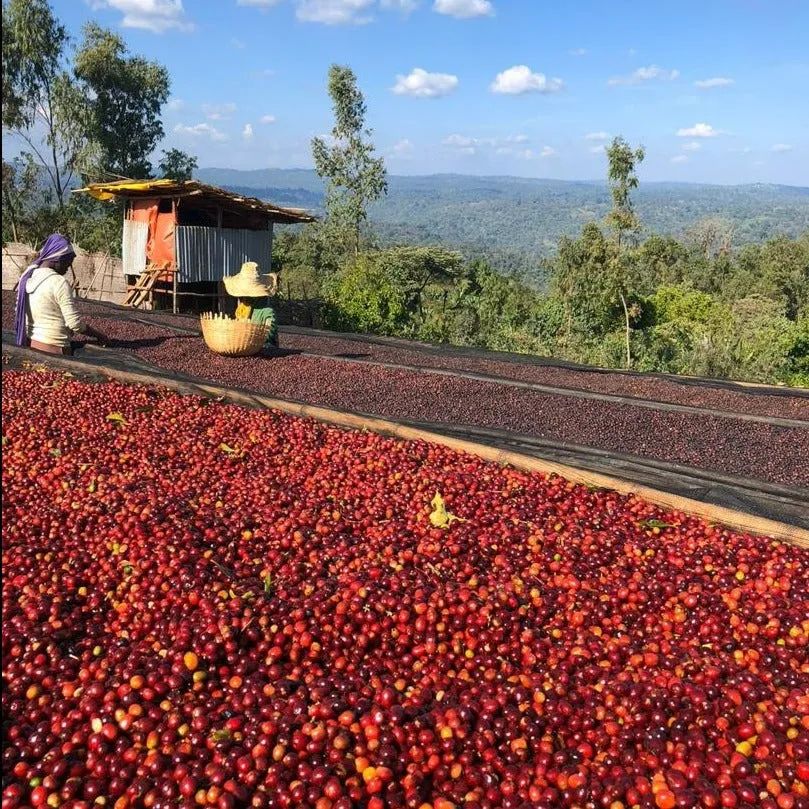
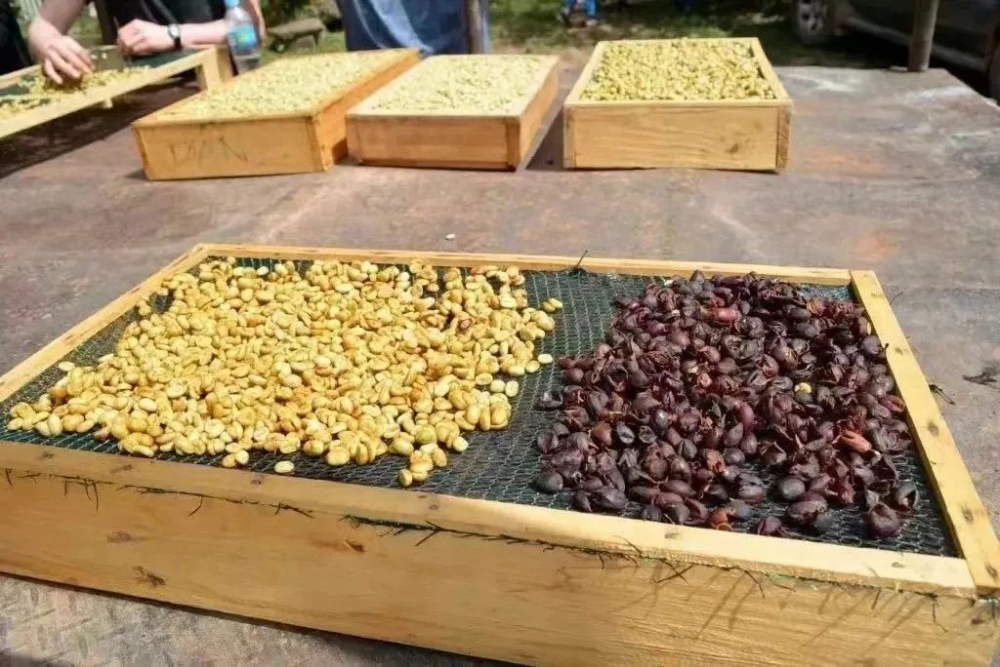
First, let’s get familiar with the processes of the three main processing methods. The so-called "natural process" is the most traditional and oldest method. After harvesting, coffee cherries are first manually sorted to remove unripe or defective beans, then the ripe cherries are spread out in the sun to dry for an extended period. During this time, they need to be frequently turned to ensure even heating and drying, usually taking about 3–4 weeks, until the outer skin becomes hard, the color turns deep red-black, and the moisture content drops to 10%–13%, at which point the outer husk is mechanically removed to complete the green bean production.
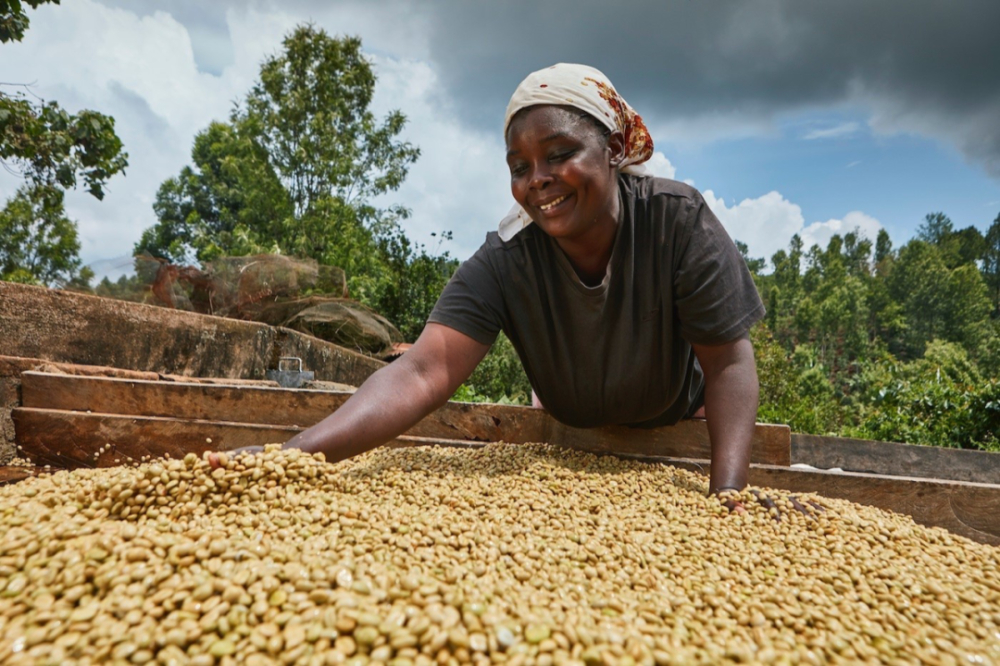
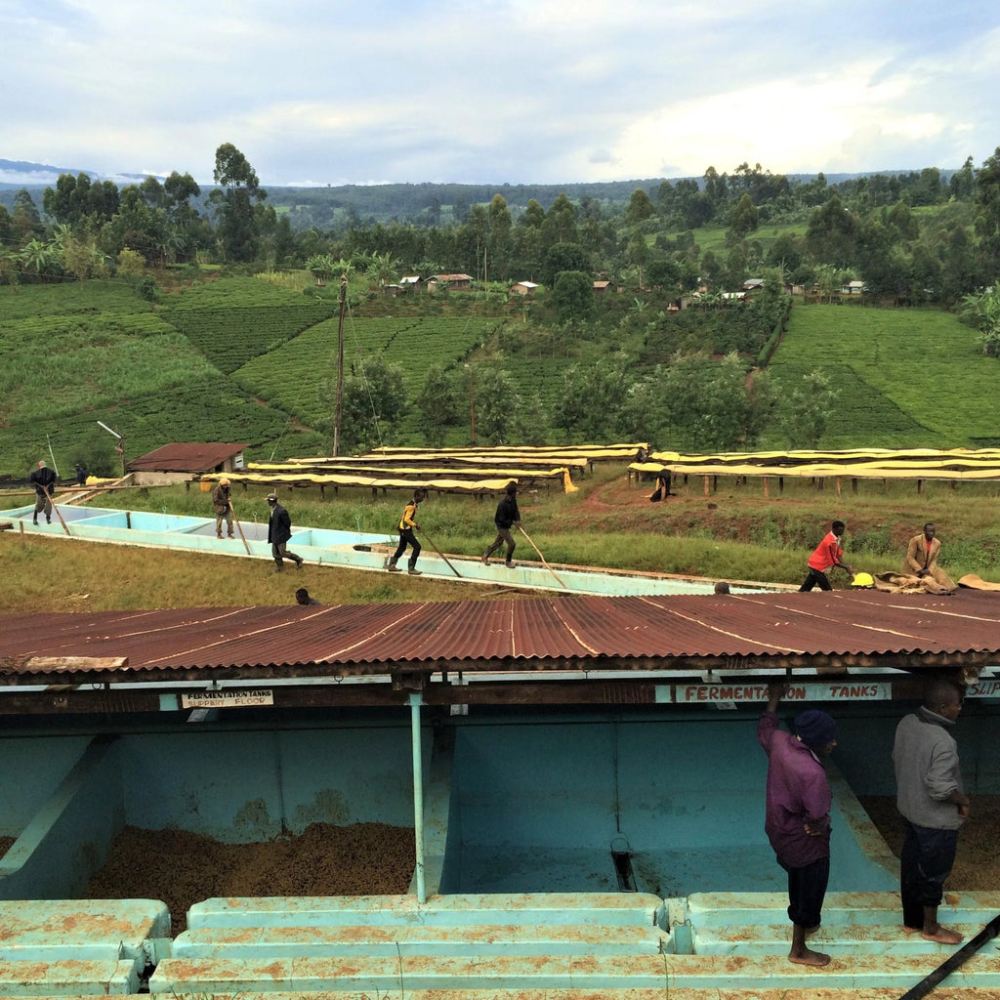
The "washed process," on the other hand, involves first selecting ripe coffee cherries after harvest, then using machines to remove the outer skin and pulp. At this stage, the beans still have a layer of mucilage (sticky fruit layer) attached to their surface. These mucilage-covered beans are then placed in water tanks for fermentation, which lasts about 12–36 hours depending on conditions, during which microbes break down the mucilage. After fermentation, the beans are thoroughly washed with large amounts of water, then dried in the sun or by machine until the moisture content reaches 10%–13%, resulting in washed green beans.
As for the "honey process," it is a method developed in response to climate or equipment limitations in certain producing regions. Ripe coffee cherries are similarly first machine-processed to remove the skin and pulp, but unlike the washed method, the honey process retains a certain proportion of mucilage on the beans, depending on the specific technique. It is generally categorized into white honey (retaining about 30%), yellow honey (40%–60%), red honey (70%–80%), and black honey (close to 100%). The more mucilage retained, the richer the flavor compounds absorbed by the beans during drying, and the drying time is adjusted according to the mucilage concentration. The ultimate goal is also to control the moisture content at 10%–13%.
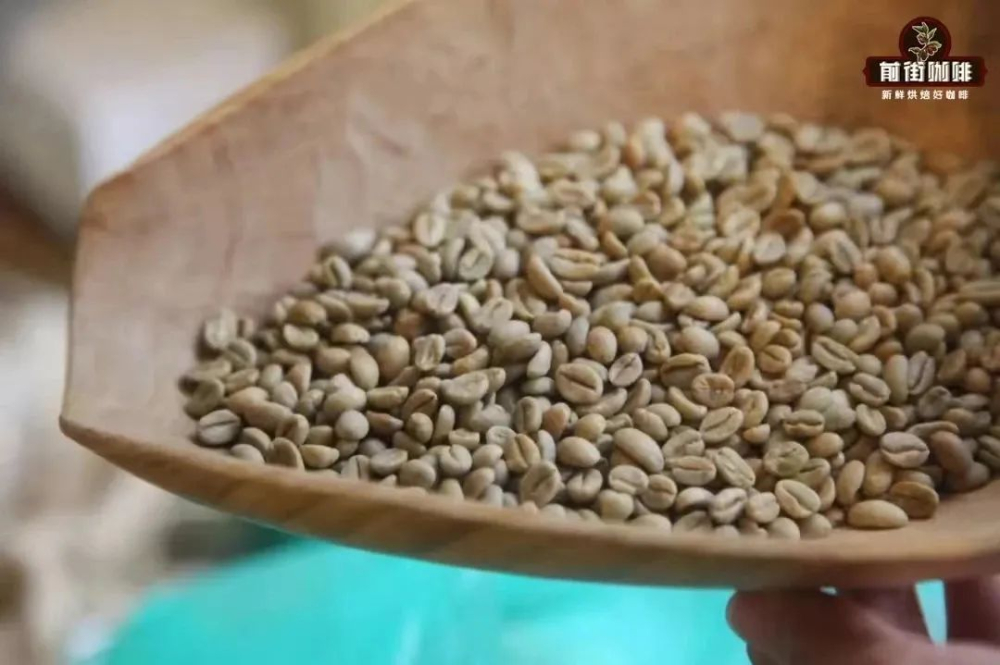
Next, let’s look at the differences among these three processing methods at the green bean stage. Natural green beans are typically yellow-green in color, with relatively intact silver skin (i.e., the inner parchment), and often carry slight fermentation aromas, sweet berry notes, and a hint of grassiness. Washed green beans are mostly blue-green, with less intact silver skin, and their aroma is primarily grassy, occasionally accompanied by the fresh citrus-like fruitiness. Honey process green beans vary more in appearance due to differing amounts of retained mucilage—the more mucilage retained, the darker the bean color. The silver skin is also relatively intact, and the aroma, aside from grassiness, includes noticeable berry sweetness and fermentation characteristics. The higher the mucilage ratio, the stronger the fermentation profile.
When these green beans are roasted, the appearance of the roasted beans becomes a key clue for identifying the processing method. During roasting, the silver skin of natural beans often detaches more completely, so most beans do not retain obvious white lines in the seam, or only very faint traces. In contrast, washed beans, whose silver skin was already less intact, tend to flake off into small pieces during roasting, resulting in almost every bean having a thin white line in the center—this is the residue of the silver skin and the most straightforward way to distinguish washed from natural beans.
The silver skin of honey process beans is also relatively well-preserved, so roasted beans rarely show obvious white lines. Additionally, the most distinctive feature of honey process beans is the uneven coloration of the beans, caused by varying amounts of retained mucilage leading to differences in roast color—the more mucilage retained, the darker the beans tend to be. As for anaerobic process beans, although they often share the uneven color trait with honey process beans, they usually exhibit stronger fruit fermentation aromas, which can be preliminarily distinguished by smell. Observing the presence or absence of white lines further helps determine whether it’s an anaerobic natural or anaerobic washed bean.
In summary, from the color and silver skin condition of green beans to their aroma, and from the silver skin residue and color distribution of roasted beans, every step holds key clues to the processing method. Mastering these details not only enhances your understanding of coffee beans but also allows for more accurate judgments when selecting or brewing, leading to a richer coffee experience.
The above content is compiled by CoffeeHunters, a coffee news website.


