







Introduction:As competition in the coffee market intensifies, brands are no longer relying solely on price wars and collaboration campaigns to attract consumers. Instead, they are turning to partnerships with high-profile celebrities, leveraging fan-driven economies to create short-term sales surges. But can such strategies truly build brand loyalty? This article delves into how celebrity endorsements influence market dynamics, the commercial logic behind fan behavior, and the long-term challenges involved.
The global coffee market has entered a highly competitive phase. While price discounts and cross-industry collaborations were once effective in drawing foot traffic, their impact is gradually diminishing. In response to this trend, an increasing number of coffee brands are adopting the “celebrity endorsement” strategy, targeting fanbases willing to make purchases because of their idols. They aim to boost brand visibility and sales performance through traffic conversion. Recently, Cotti Coffee announced its new brand ambassador, quickly sparking a buying frenzy among fans. Some stores even temporarily closed due to an overwhelming surge in orders. At the same time, a group-buying event in Luckin Coffee’s livestream, suspected to be related to the same celebrity, stirred widespread market discussion. Is this a case of precise brand marketing or fan-driven amplification? The underlying business strategies and potential risks deserve deeper exploration.
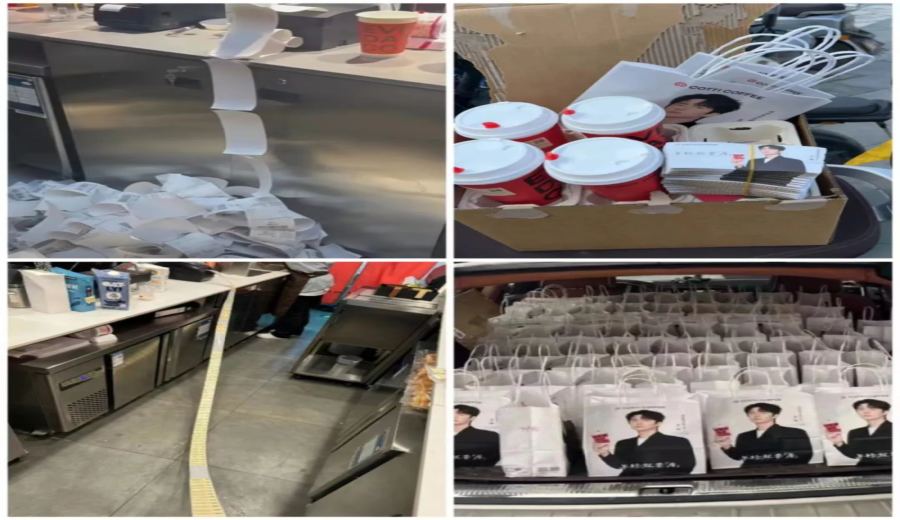
Following the announcement of its new ambassador, Cotti launched limited-edition merchandise, successfully attracting a large number of fans who flocked to both online and physical stores to support their idol. Concerned about missing out on limited items, they rapidly pushed order volumes at some outlets to critical levels, with certain stores even temporarily suspending operations to manage the backlog. According to netizen posts, fans of the celebrity refer to themselves as “Motorcycle Sisters.” Meanwhile, in a Luckin Coffee livestream, a group-buying link labeled “Exclusive for Motorcycle Sisters” was suspected to be part of an alternative brand rivalry. This led some fans to mistakenly believe that their idol had partnered with Luckin, prompting enthusiastic purchases. Although Luckin has not publicly responded, and the link in question is no longer searchable, public discourse remains focused on whether brands are strategically capitalizing on traffic and how fan behavior is being leveraged by various parties.
Market observers suggest that such tactics may stem from carefully designed business strategies aimed at attracting rival customers through high-profile celebrities. However, others argue that it could be fans proactively generating buzz to elevate their idols’ influence. Regardless of the true motives, the incident underscores the powerful impact that celebrity endorsers have on consumer markets—precisely the kind of promotional leverage brands are eager to harness. In fact, in 2023, numerous coffee brands collaborated with well-known IPs, fashion labels, or art institutions to launch a variety of co-branded products and merchandise, successfully attracting non-traditional coffee drinkers into the market. Yet, this type of “buying the box and returning the pearl” consumption pattern has gradually led to consumer fatigue. By year-end, the visibility and crowd-drawing effects of co-branded events were noticeably weaker than in early the year, and the scenes of long queues and sell-out frenzies became hard to replicate.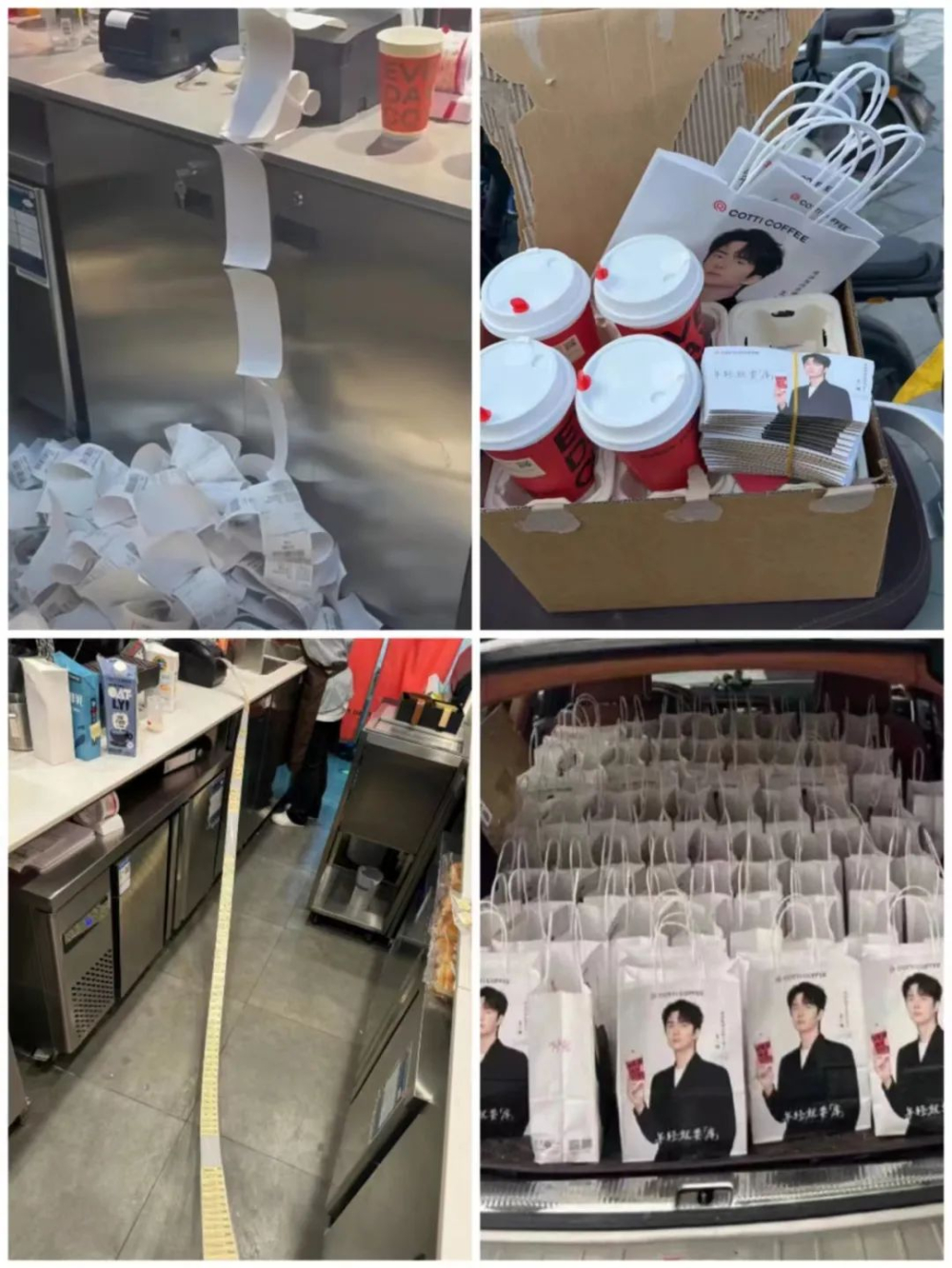
As traditional promotional methods yield diminishing returns, brands are beginning to reassess the potential of fan-driven economies—particularly the dedicated fanbases willing to make repeat purchases because of their favorite endorsers. Past cases show that brands such as K Coffee, Starbucks, and Luckin Coffee all managed to draw significant foot traffic after announcing celebrity ambassadors. Compared to those who buy only merchandise, customers drawn by the influence of idols typically exhibit higher brand loyalty. They continue making purchases due to their connection with the ambassador, even in the absence of new collaborations. More importantly, this group holds expansion potential. As the idols engage in ongoing activities and promotions, their influence is likely to grow further.
It is worth noting that while celebrity endorsements can generate significant short-term traffic and sales spikes, brands must also consider how to transform this enthusiasm into long-term customer loyalty. If consumers focus solely on the endorsers and related events while overlooking the quality, flavor, and brewing characteristics of the coffee itself, brands may struggle to retain customers once the craze subsides. Therefore, how to capitalize on the traffic boom while simultaneously deepening consumers’ understanding and experience of coffee’s essence will be key to brands’ future strategies.
Looking ahead, we may see more stores featuring fans taking photos with life-sized cutouts of their idols or scrambling to buy limited merchandise. However, brands must also be wary of over-relying on the influence of endorsers while neglecting improvements to the competitiveness of their products themselves. In this tug-of-war between short-term exposure and long-term loyalty, only by balancing immediate visibility with enduring value can brands secure a solid foothold in the fierce marketplace.
The above content is compiled by CoffeeHunters, a coffee news website.


