







Introduction:As chain coffee brands rapidly expand with the advantage of capital, how can independent coffee shops stand firm in such fierce competition? This article delves into consumer decision-making psychology, the current state of the industry, and real-world challenges, offering practical strategies to help specialty coffee shop owners find a way to break through—by focusing on location selection, pricing, service, and more—to create an irreplaceable coffee experience.
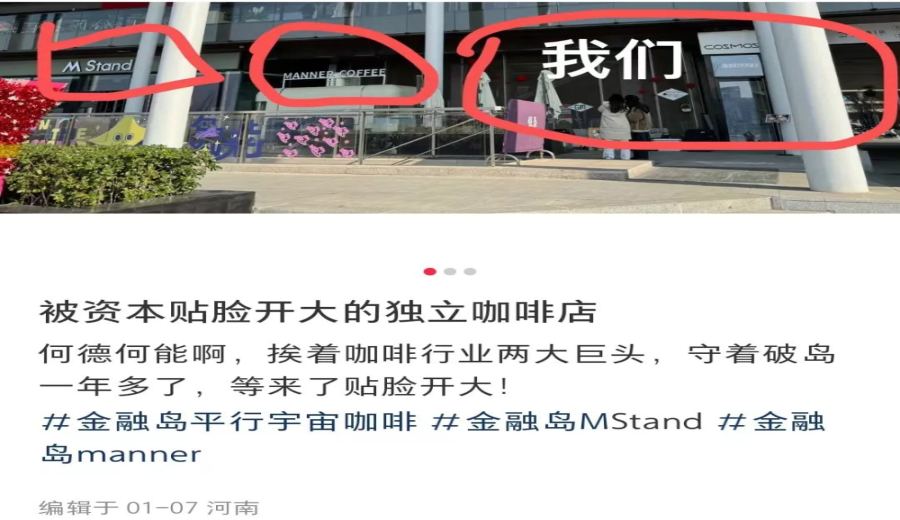
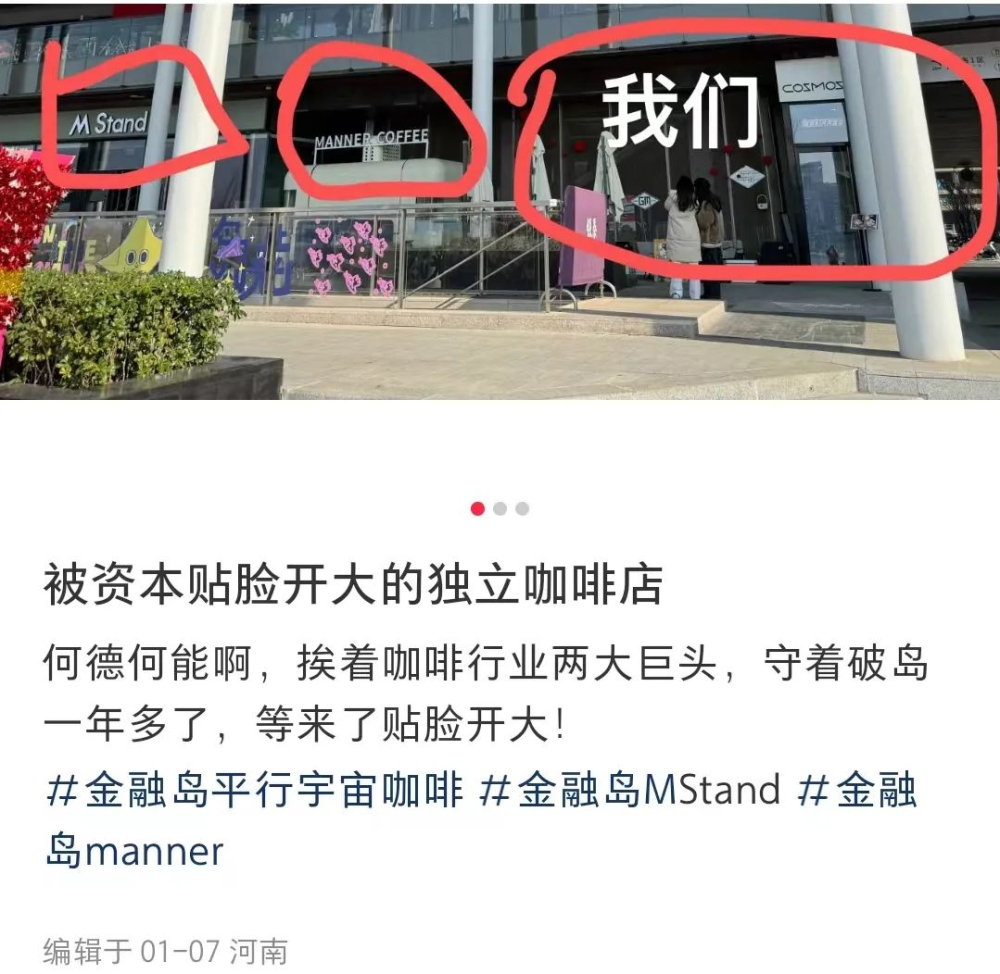
A long-time independent coffee shop owner recently shared their thoughts on social media, pointing out that two major chain brands, M Stand and Manner, had opened stores near their shop, instantly turning their carefully cultivated commercial district into a battleground for capital’s “close-quarters competition.” This experience resonated with many peers, as numerous independent shop owners commented that they, too, were being encircled by brands like Luckin, Starbucks, and Cotti. Backed by capital, these chains rely on efficient expansion and competitive pricing, putting independent shops that focus on quality coffee under unprecedented survival pressure.
For many consumers, chain brands not only offer affordable prices, but also deliver relatively reliable consistency and service efficiency. Driven by capital, a reasonably priced cup of coffee with decent flavor has become easily accessible. In addition, baristas receive standardized training, ensuring a certain level of quality control. In contrast, some independent coffee shops may feature baristas with distinct styles, pricing often starting at 38 yuan or higher, yet with inconsistent quality, leading customers to hesitate—or even risk getting a disappointing cup.
“The performance of niche coffee shops varies greatly, and office workers tend to opt for more stable commercial coffee,” one netizen bluntly stated. This observation also reflects the genuine sentiment of many consumers: “Some independent shops are like small workshops—their product quality is unstable, prices are higher than those of chains, and drinking there feels like a lottery.” In response, the shop owner noted that their store was the first coffee shop in the local business district, with a team boasting over ten years of industry experience. They have consistently kept prices below 30 yuan. Business started slow, but a loyal customer base gradually formed—until the mall introduced a rent-free coffee cart placed right next to their outdoor seating area, significantly increasing operational pressure.
The shop owner further explained that in a market dominated by capital, it is inherently difficult for independent coffee shops. However, they hope the public can distinguish between professional and non-professional operations. “Those unprofessional shops with random pricing do deserve to be weeded out, but independent shops that truly focus on quality shouldn’t be misunderstood due to market chaos.” This post sparked widespread discussion, with many peers sharing their own experiences of being “surrounded by brands”—including cases where a once-dominant street coffee shop suddenly found Luckin and Manner opening on either side, or Starbucks, K Coffee, and Cotti appearing across the street.
However, some netizens argue that independent coffee shops and chain brands serve different customer segments and that there's no need to be overly pessimistic. Independent shops often emphasize specialty coffee, friendly service, and unique spatial atmospheres, while chain brands cater to office workers seeking efficiency and caffeine replenishment. By continuously improving service and quality, independent shops could even complement chain brands and attract different consumer groups.
The reason behind this lies in the fact that chain brands, with their strong capital and mature operational models, can quickly occupy market gaps and accumulate users through low-price strategies and promotional activities. Additionally, many brands leverage digital tools to collect consumer data, analyze drinking preferences, and conduct targeted marketing—further enhancing customer loyalty and repeat purchase rates. These advantages are nearly impossible for resource-limited independent coffee shops to replicate, placing them under greater competitive pressure.
Faced with the expansion of chain brands, how can independent coffee shops find space for survival and growth? The key lies indifferentiated positioningandprecise customer management. It is recommended to start from the following directions:
First,clarifying your brand’s core value—whether it’s a focus on pour over coffee, single-origin beans, minimalist space design, or providing a local cultural experience—should make customers feel the uniqueness as soon as they walk in. Second,optimizing product structure and pricing strategyby avoiding excessively high prices or large price fluctuations. You can design signature drinks and seasonal specials to enhance customer return rates. Third,strengthening customer service and community engagementby managing fan communities on online platforms, hosting cupping events or coffee classes, thereby increasing customer stickiness and brand loyalty.
Finally, location selection and district collaboration are also important strategies. Partnering with local businesses, office buildings, or community events to expand your customer base and generate buzz can effectively boost visibility and foot traffic. Although the path ahead is tough against capital-driven competition, independent coffee shops can still carve out their own niche in the market if they find the right approach.
As the shop owner put it: “We won’t give up easily, but competing with capital is destined to be an uphill battle—and losing isn’t shameful.” In this market struggle, only by staying true to the original mission while flexibly adjusting strategies can one continue to grow amid fierce competition.
The above content is compiled by CoffeeHunters, a coffee news website.


