







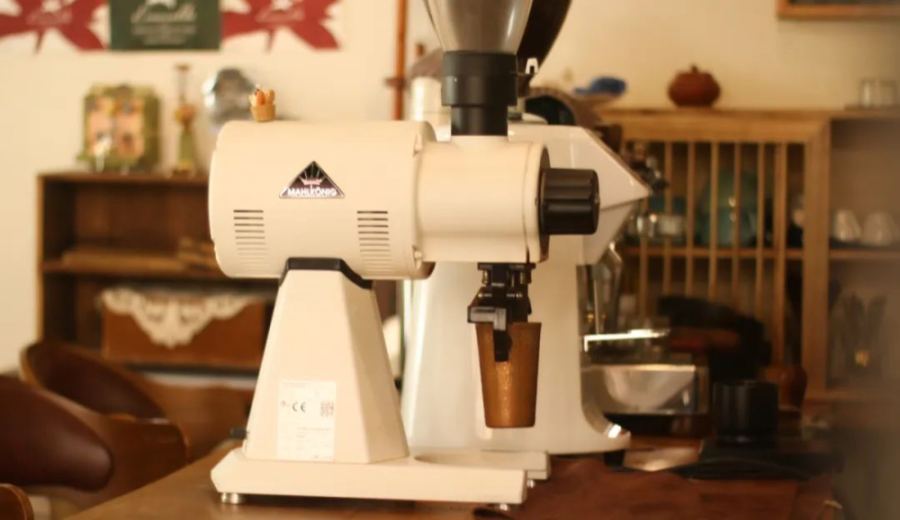
Introduction:In the process of brewing single-origin pour over coffee, electric grinders have gradually become the preferred choice for many coffee enthusiasts due to their stable grind performance and ease of use. Compared to traditional hand grinders, electric grinders not only save physical effort but also deliver more consistent grind sizes. However, there are still many details to pay attention to when using them, such as startup sequence, daily cleaning, and regular maintenance. This article will delve into the core advantages of electric grinders, key considerations during use, and how proper maintenance can extend the machine’s lifespan, allowing you to brew high-quality single-origin coffee at home.
In today’s single-origin pour over coffee preparation, more and more coffee lovers are turning to electric grinders. These devices not only ensure more uniform grind particle sizes but also significantly reduce the physical effort required for manual operation. Simply pour the coffee beans into the bean hopper, press the switch lightly, and the grinding is done in a short time. However, neglecting usage details may lead to increased machine wear and a shortened lifespan. Details such as the startup sequence before grinding and cleaning cycles are all important aspects that should not be overlooked.
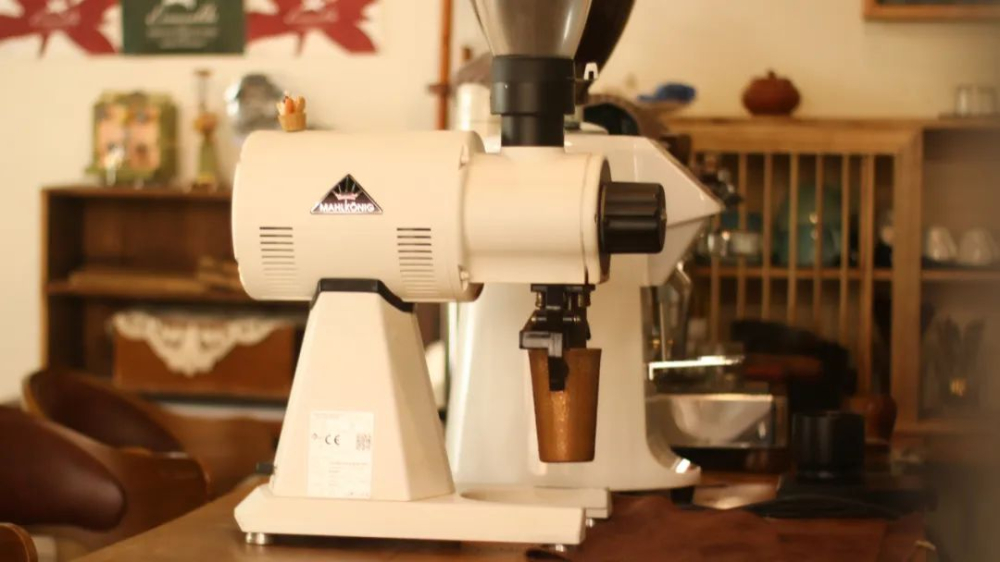
The reasons for choosing an electric grinder go beyond its ability to maintain stable grind quality and effectively save labor. As long as you understand the locations for adding beans and collecting grounds, and follow the basic operating steps, you can complete the entire process. But in actual use, there are still many easily overlooked details that can affect the machine’s performance and lifespan. For example, some users have the habit of pouring coffee beans first and then turning on the machine. Little do they know that this method of operation may put additional pressure on the burrs, which over time can accelerate wear.
A common question is: “Why can’t you pour the beans in before turning on the machine?” The answer is closely related to the operating principle of electric grinders. When an electric grinder starts up, the burrs need a certain amount of time to accelerate from a stationary state to a stable rotation speed, usually between 0.5 to 1 second. If coffee beans are already in the hopper before startup, the beans can get stuck between the burrs and the grinder housing, increasing resistance during startup. Although the initial impact may not be obvious, over time—especially when grinding harder beans—this extra load can lead to jamming or increased wear, particularly for low-speed home-use small electric grinders.
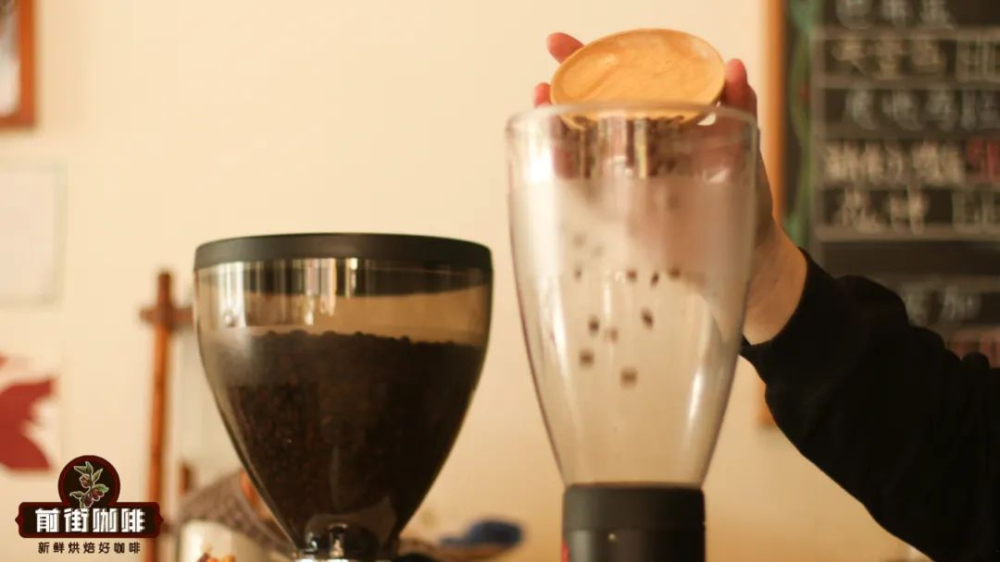
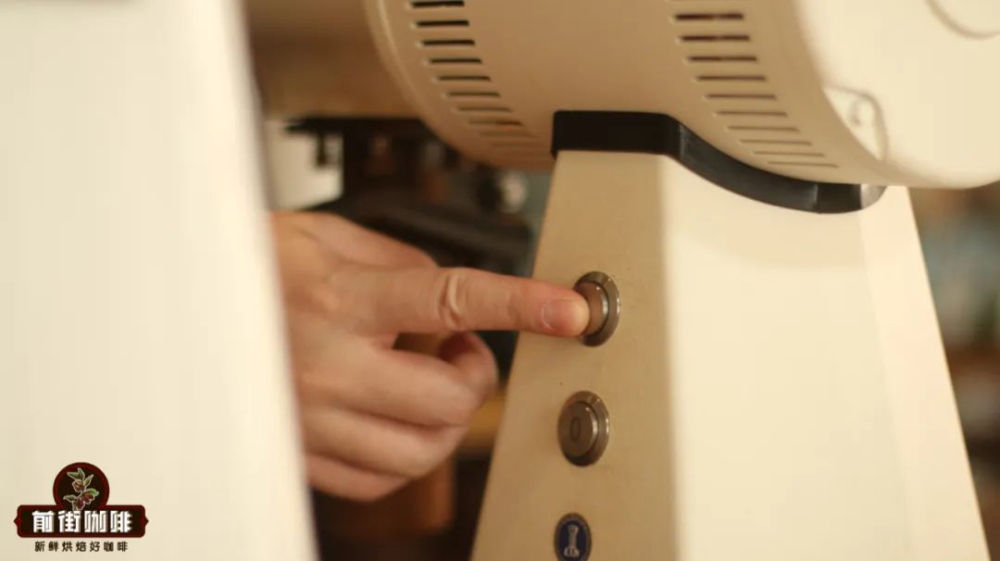
Therefore, the professional recommendation is to start the electric grinder first, wait for the burrs to reach a stable operating state, and then add the coffee beans for grinding. This not only reduces the risk of burr wear but also lowers the chance of machine malfunction, ensuring smoother and more stable grinding every time.
In addition to the correct operation sequence, cleaning the electric grinder is also key to maintaining its performance and lifespan. Unlike hand grinders, the internal structure of electric grinders is relatively complex and cannot be easily disassembled for detailed cleaning. Therefore, it is recommended to adopt a dual-track strategy of “daily cleaning” and “regular deep cleaning.”
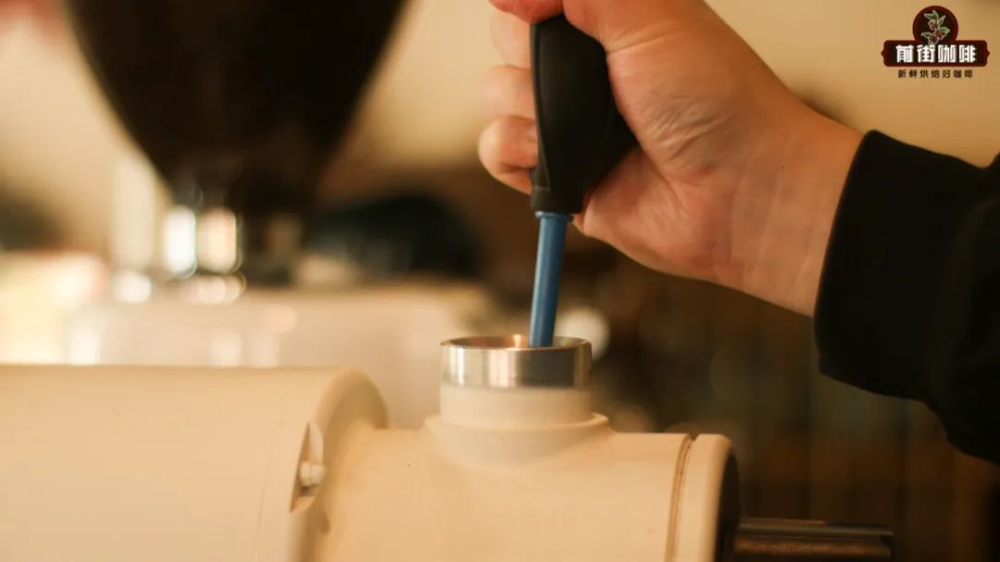
For daily cleaning, after each use, it is recommended to use an air blower tool to lightly clean the bean hopper and the ground coffee outlet. This helps remove coffee powder residue inside the machine, especially those that tend to accumulate in hard-to-reach corners. It is important to ensure the grinder is powered off or turned off before performing air blowing cleaning to avoid accidental startup and potential hazards.
As for regular deep cleaning, it is recommended to fully disassemble and wash the grinder periodically. Since the oils and fine particles in coffee powder gradually accumulate—and these substances cannot be completely removed by air blowing alone—they may affect grind performance and coffee flavor over time. When disassembling, follow the manufacturer’s instructions or consult customer service, safely remove the burrs, and rinse them with water, then dry them immediately. At the same time, clean other parts inside the grinding chamber to ensure there is no residual oil or dirt. For users who are not familiar with disassembly, consider using specialized grinder cleaning tablets—using them once a month or every two months can help maintain the machine in good condition.
In summary, electric grinders bring a lot of convenience to single-origin pour over coffee, but during use, every detail—from startup sequence and daily maintenance to regular cleaning—can affect their performance and lifespan. Mastering these practical tips can not only improve grind quality but also make your coffee brewing process smoother and more enjoyable.
The above content is compiled by CoffeeHunters, a coffee news website.


