







Introduction:Have you ever heard “add a shot” at a coffee shop but weren’t sure what the actual amount was? This term, originating from bar culture, has taken on a new meaning in the world of coffee. Learn how “shot” evolved from a measure of spirits to a unit of espresso, understand the current standard of double baskets and liquid volume, and help you order your ideal flavor and strength of espresso more accurately.
When you walk into a coffee shop, it’s common to hear customers say: “add a shot” or “give me a shot.” But what exactly does that “shot” represent in terms of coffee? In fact, this term originally comes from bar culture and was later adopted into the coffee scene. Over time and with the evolution of extraction techniques, the meaning of a shot has shifted from its original use as a unit of spirits to a measurement basis for espresso, with its definition gradually moving from coffee dosage to liquid volume. This article will take you through the origins of the term shot, its specific meaning in the context of coffee, and how modern coffee shops have adapted traditional measurement methods—so you can feel more informed when placing your order.
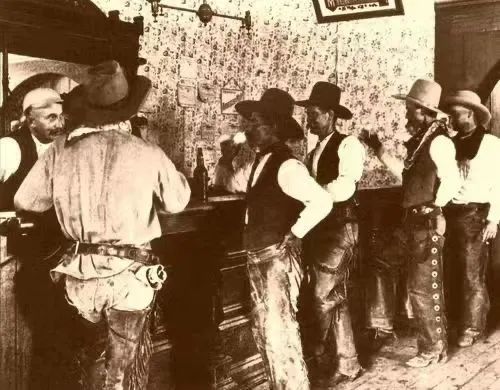
First, let’s clarify the origin of the word “shot.” In a bar setting, a shot generally refers to a small glass of spirits, typically served in a shot glass with a capacity of about one ounce (approximately 30 milliliters). These glasses became widely used in the mid-20th century, mainly serving customers looking for a quick alcohol buzz. It’s worth noting that there is a slight difference between the British and American ounces: one British ounce is about 28.41 milliliters, while the American ounce is 29.57 milliliters. However, internationally, an ounce is commonly considered to be around 30 milliliters. Thus, a shot is not just the name of a drink, but also a colloquial term for a unit of liquid volume.
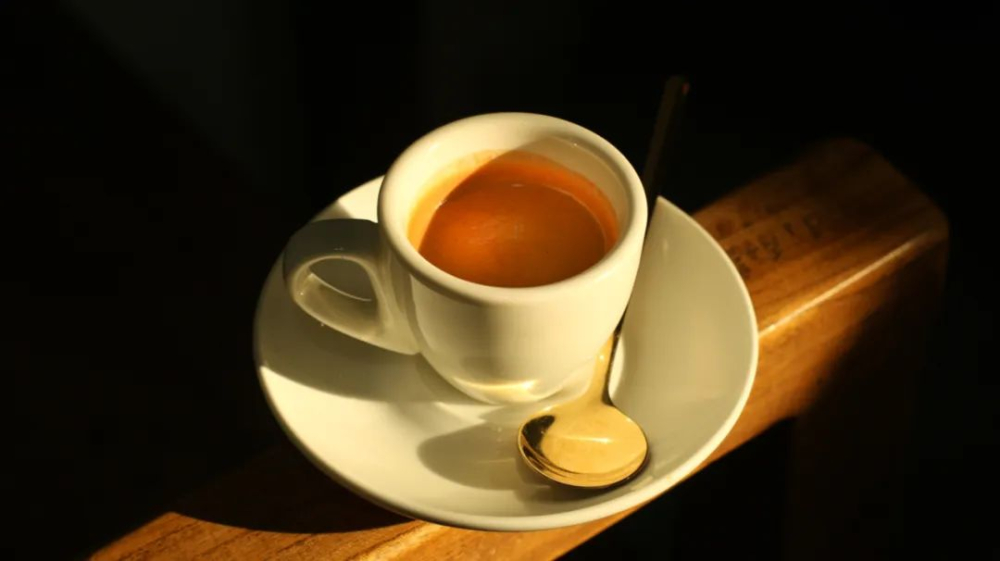
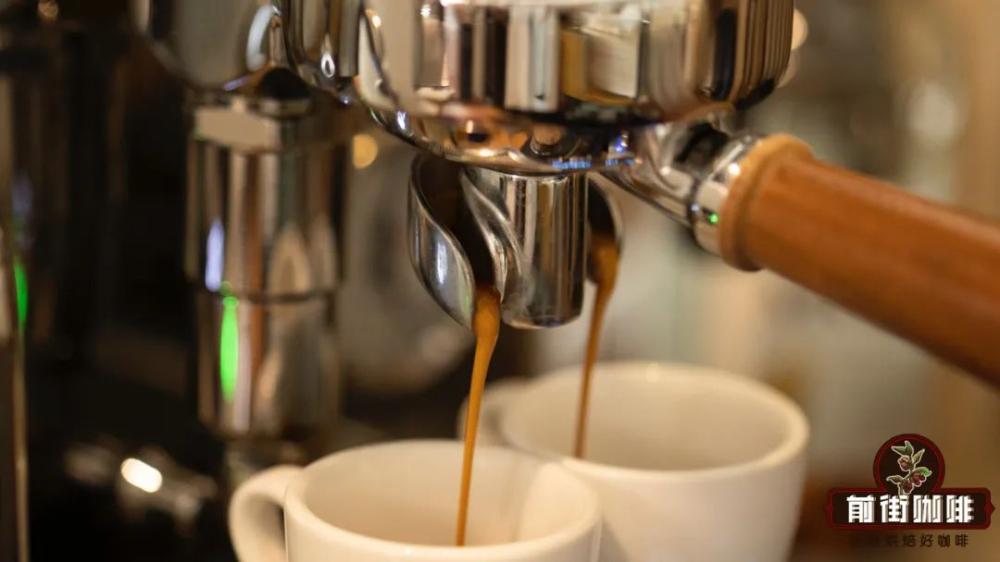
So, what does a shot represent in the world of coffee? In coffee terminology, a shot refers to a single serving of espresso. Comparing it to the “kick” of spirits is actually quite fitting, as espresso is also known for its intense flavor and high caffeine concentration, and was originally designed to provide a quick and convenient way to consume caffeine. In the past, a shot typically meant using 7 grams of coffee grounds to extract about 30 milliliters of espresso; if you ordered a “double shot,” a double basket would be used instead, extracting about 60 milliliters of espresso with 14 grams of coffee.
However, with the continuous improvement of espresso machines and extraction techniques, most coffee shops today no longer use single baskets, but have universally adopted the double basket as the standard serving specification. Moreover, the common coffee-to-water ratios today are quite different from the past. For example, in the early days, 14 grams of coffee might yield 60 milliliters of espresso, but now many shops use 19 to 20 grams of coffee to produce only about 40 milliliters of espresso, which is also closely related to adjustments in extraction pressure and grind size. As a result, sticking to the old basket-based measurement method can lead to confusion in definition and inconvenience in practice.
This shift has led to an interesting dilemma: if we define a shot based on the basket, the currently common double basket means that each serving is already a “double shot,” so when a customer orders “a shot,” theoretically it would only be about 20 milliliters—such a small amount is not only scarce but also unlikely to meet most people’s expectations. On the other hand, if we define a shot by liquid volume—30 milliliters for a single shot and 60 milliliters for a double—coffee shops may need to adjust the extraction volume of espresso or even discard some of the coffee liquid, which is not only cumbersome but can also affect the flavor and quality of the coffee.
Faced with this situation, the industry has gradually reached a consensus: no longer rigidly equating a shot with the old single or double baskets. Nowadays, when a customer orders “a shot,” most shops will simply serve a full double-basket extracted espresso, about 40 milliliters; if you order a “double shot,” they will extract two shots of espresso at once, giving you a richer coffee experience. This flexible approach retains the practicality of a shot as a unit of liquid volume and also makes modern espresso servings more aligned with actual needs and customer expectations.
In summary, the term shot has evolved from a bar drink name to a coffee measurement unit, reflecting the blending of beverage cultures and technological innovation. Although it was once primarily measured by coffee dosage, modern coffee shops mostly use liquid volume and the double basket as standards, making the definition of a shot more consistent and practical. Whether you’re new to espresso or want to better understand the logic behind coffee orders, mastering these basics can help you choose the coffee strength and portion that suits you with more confidence.
The above content is compiled by CoffeeHunters, a coffee news website.


