








Introduction:The flavor of pour over coffee is influenced not only by the coffee beans and grind size, but also critically by the choice of filter paper. Different shapes, sizes, and processing methods of filter paper can directly alter the clarity, mouthfeel, and aroma expression of the coffee. This article delves into the three key elements of filter paper—shape compatibility, size specifications, and bleaching & material differences—and provides practical advice to help you select the most suitable filter paper based on your dripper type and brewing style, thereby enhancing overall extraction quality.
In the world of pour over coffee, the dripper often becomes the focus of discussion, but the filter paper, which plays the crucial role in actual filtration, is frequently overlooked. Although filter paper accounts for a small portion of the overall cost, it has a non-negligible impact on the final flavor of the coffee. Common issues such as "poor fit" or "paper taste interference" are actually closely related to the choice of filter paper. The commonly seen shapes of filter paper on the market are mainly conical, fan-shaped, and cake-shaped, in addition to various size numbers, bleached and unbleached treatments, as well as material differences. Next, we will explore these factors in detail to help you find the most suitable filter paper combination for yourself.

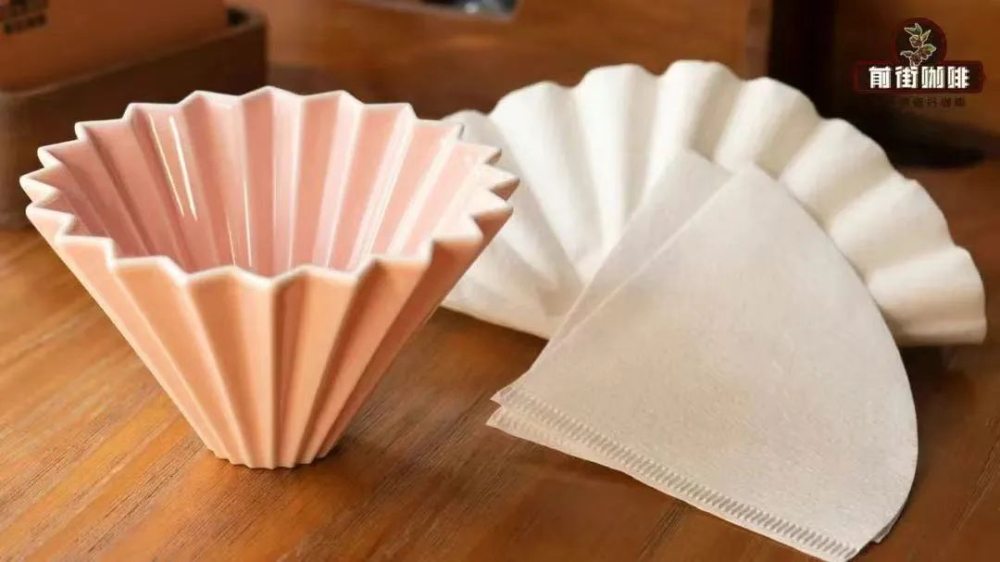
Let’s first talk about the styles and shapes of filter paper. Currently, mainstream filter papers can be roughly divided into three categories: conical, fan-shaped, and cake-shaped. These designs are not arbitrary but are closely matched with different types of drippers. For example, common cone-shaped drippers like the V60 or Kono require the use of conical filter paper; while fan-shaped drippers such as Melitta and Kalita naturally need corresponding fan-shaped filter paper. If you are using a flat-bottomed dripper, like the Kalita Wave, you should choose cake-shaped filter paper, which can stand stably on the flat bottom and assist in even filtration. Additionally, drippers with unique structures, such as the Origami, can accommodate both conical and cake-shaped filter papers, offering more flexibility in choice.
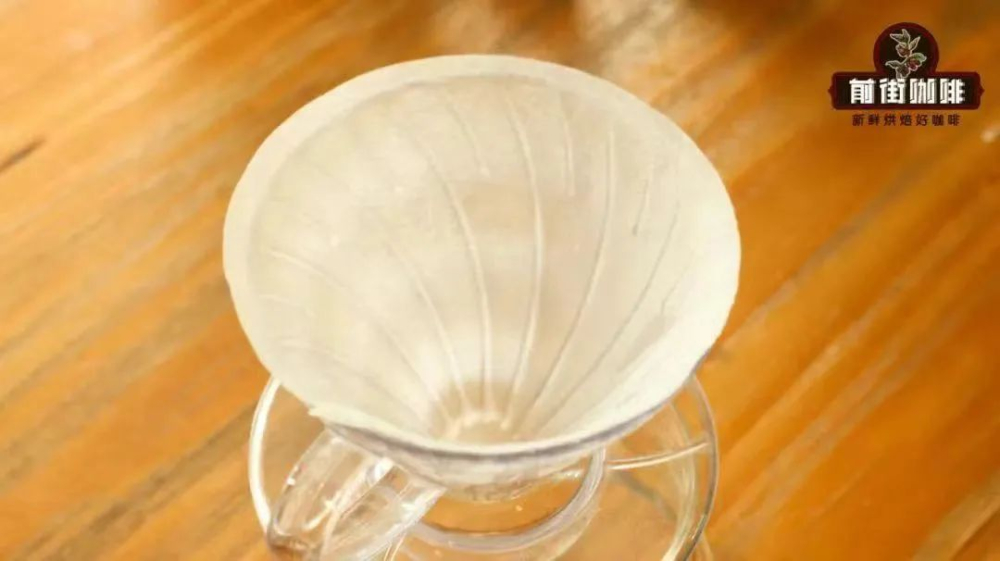
The size and model number of filter paper is also a nuanced topic. When purchasing filter paper, common numbers such as 01 or 02 represent the capacity level of the dripper. 01 is usually suitable for small drippers for 1 to 2 people, while 02 is appropriate for larger-capacity drippers for 3 to 4 people. If you mistakenly use a small-sized filter paper in a large dripper, it may cause the coffee liquid to overflow from the edge of the filter paper during pouring, directly entering the lower pot and affecting the uniformity of extraction. Conversely, using an overly large filter paper with a small dripper not only hinders the pouring action but may also affect the overall fit of the filter paper, thereby altering flow rate and extraction efficiency. Therefore, when buying filter paper, be sure to choose the corresponding model number based on the size of your dripper to ensure optimal extraction results.
In terms of filter paper processing techniques, the most common debate is between "unbleached filter paper" and "bleached filter paper." Unbleached filter paper refers to filter paper made directly from raw wood pulp without any bleaching process. While it is safe, its natural pulp taste is more pronounced. If not sufficiently pre-wetted, this paper taste can easily seep into the coffee, affecting the purity of the final flavor. Therefore, unless you specifically pursue a natural, raw style, most pour over enthusiasts tend to opt for bleached filter paper.
Bleached filter paper is also made from raw wood pulp but undergoes varying degrees of bleaching treatment, significantly reducing the paper taste, or even making it nearly imperceptible, helping to showcase the coffee’s inherent aroma and layers. In the past, there were concerns about potential chemical residues from the bleaching process, but nowadays many well-known brands have switched to enzyme bleaching technology, using biological enzymes for treatment. This method is not only environmentally friendly but also greatly reduces potential risks to the human body, with overall safety reaching an acceptable level.
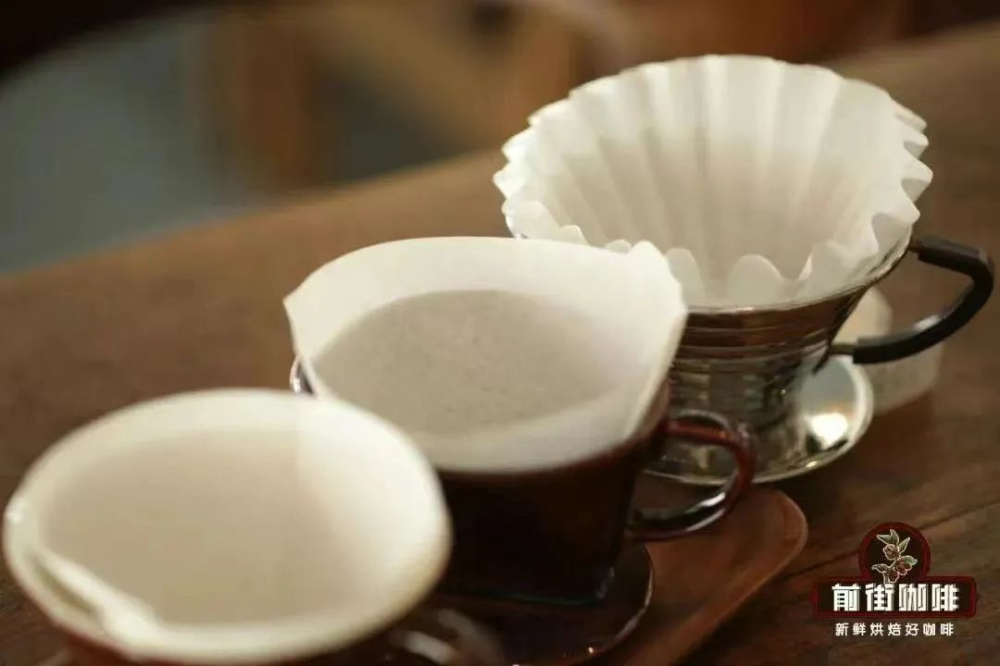
Beyond shape and bleaching processes, the paper texture differences of filter paper can also noticeably affect the brewing experience. Filter papers from different brands or regions vary in thickness, softness, and water permeability speed. For instance, some imported filter papers, although more expensive, offer good flexibility and even water flow, helping the coffee grounds layer expand more stably and promoting even extraction. On the other hand, some budget filter papers may be too hard or overly absorbent, leading to poor water flow or excessive blockage of fine particles. It is recommended that enthusiasts try several popular filter papers on the market, personally feeling their texture and water flow performance during pouring, to identify the paper texture type that best suits their brewing habits. Based on practical experience, soft filter paper with moderate water permeability usually helps enhance the stability and flavor expression of the overall extraction.
In summary, choosing the right pour over filter paper is not only a key step in enhancing the details of coffee flavor, but also makes the brewing process smoother. From shape compatibility and size selection, to bleaching processes and paper texture characteristics, each aspect is worth careful consideration. By understanding these basic elements, you will be able to find the most suitable filter paper combination based on your dripper type and brewing preferences, further unlocking the potential of your coffee beans and enjoying a purer, more layered brewing experience.
The above content is compiled by CoffeeHunters, a coffee news website.


