







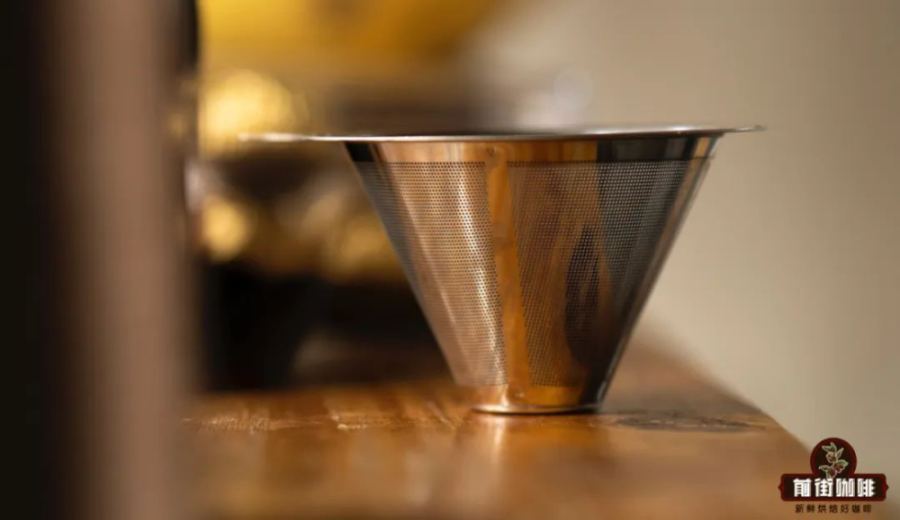
Introduction:Many pour over coffee enthusiasts often face the dilemma of choosing between paper filters and metal filters. Can metal filters completely replace traditional paper filters? What are the significant differences between the two in terms of filtration efficiency, coffee oil retention, and flavor profile? This article provides a professional analysis of their practical use, including key parameters such as filtration precision and fine particle passage rate, along with observations from actual brewing to help you choose the most suitable filter type based on your needs.
In the world of pour over coffee, paper filters have always been the most common brewing tool. However, in recent years, metal filters have gained popularity among many coffee enthusiasts due to their eco-friendly and reusable nature. But can metal filters truly replace paper filters? This question involves multiple factors such as extraction efficiency, flavor details, and ease of use.
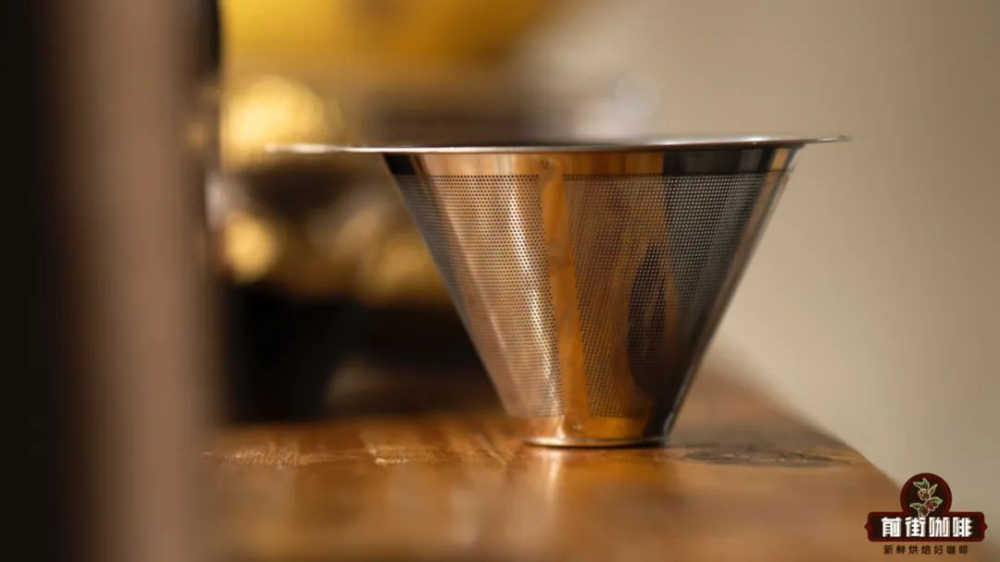
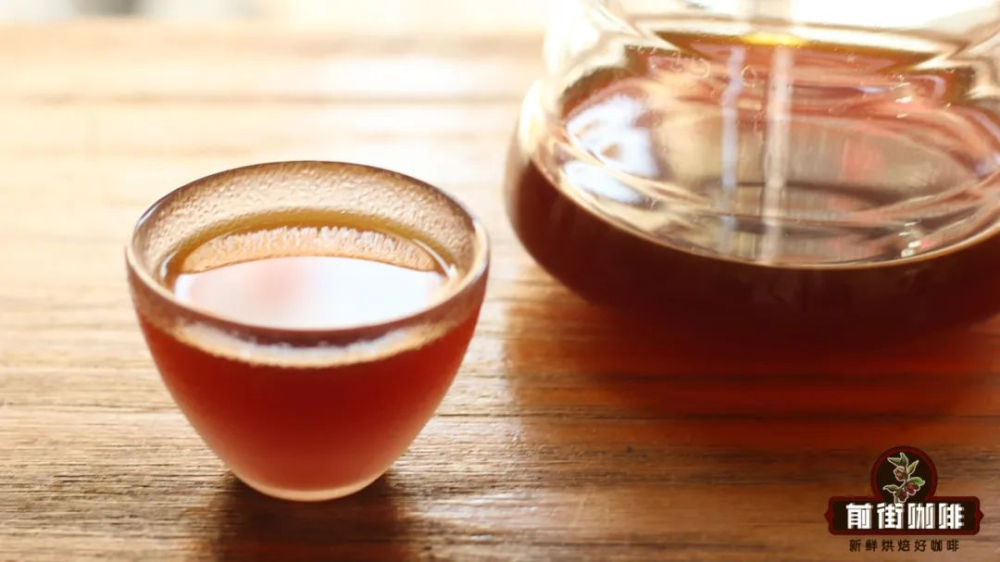
First, in terms of filtration precision, paper filters generally have a finer fiber structure, effectively trapping the majority of coffee fines and colloids. This results in a clearer brew with a relatively clean and crisp taste, making it suitable for those who prefer lighter, more delicate flavors. In contrast, metal filters have larger mesh sizes. While they can also effectively filter out coffee grounds, they allow more fine particles to pass through, resulting in a slightly less transparent brew with visible suspended solids. However, they also preserve more of the coffee’s natural oils and layered flavors.
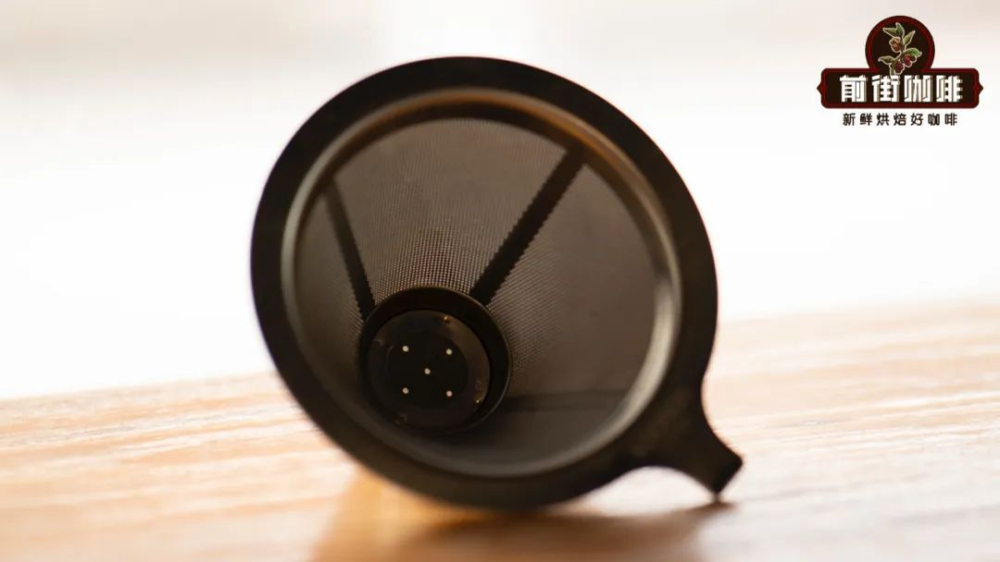
When it comes to oil retention, metal filters clearly have the advantage. Since they cannot fully block the natural oils in coffee (i.e., crema), these oils flow out with the brew, giving the coffee a richer mouthfeel and aroma. This is especially suitable for those who enjoy bold, complex coffees. On the other hand, paper filters almost completely filter out these oils, resulting in a cleaner-tasting coffee but with less body and aftertaste.

Fine particle passage rate is another key difference. Due to their larger mesh structure, metal filters cannot fully block tiny particles, so the resulting brew may have a slight grainy texture. This is one of the reasons why some users describe metal-filtered coffee as "coarser." Paper filters, however, effectively capture these fine particles, resulting in a smoother and more uniform taste, particularly suitable for extraction methods that aim for refined flavors.
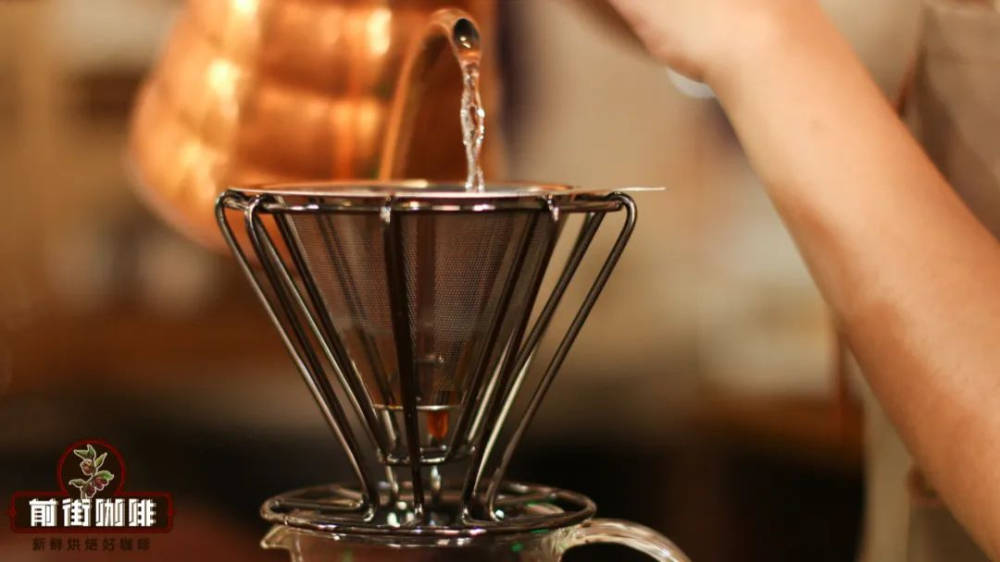
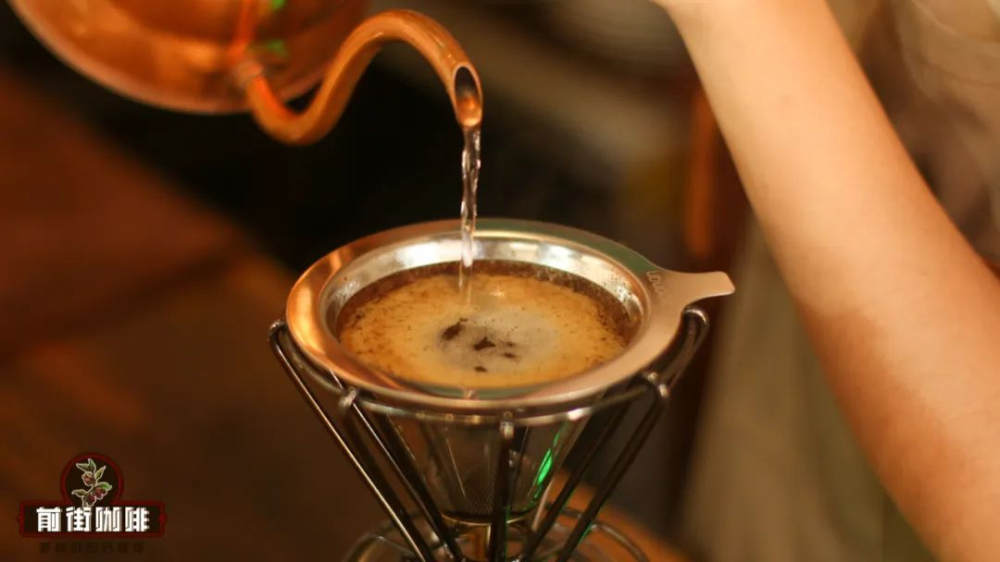
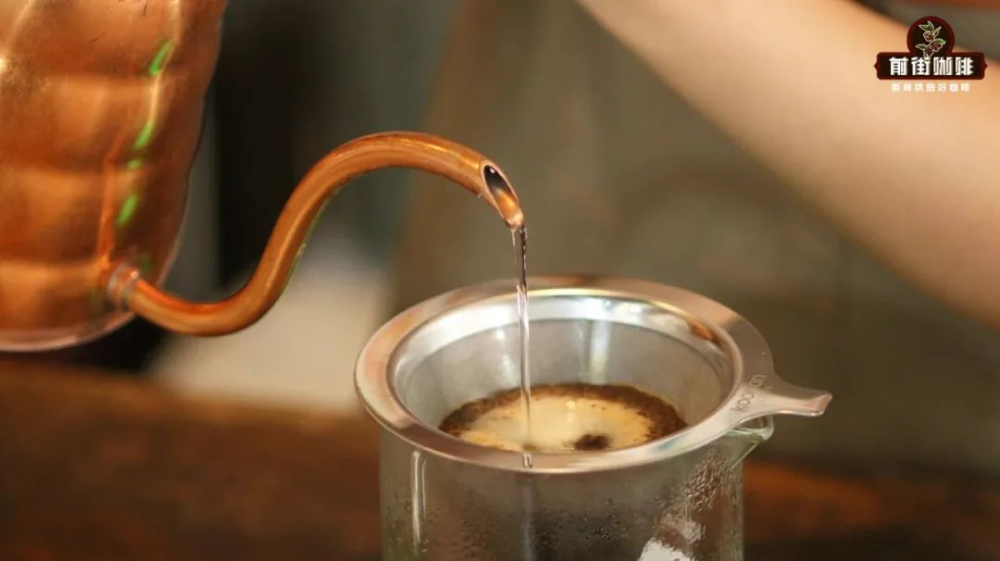
In practical use, the advantage of metal filters lies in their reusability. Over time, this is not only environmentally friendly but also cost-saving. However, regular cleaning and maintenance are necessary to avoid residual oils or coffee grounds affecting the flavor of subsequent brews. Paper filters, on the other hand, are disposable after each use. While convenient, they incur higher long-term costs and are less environmentally friendly.
So, in what scenarios is a metal filter a good choice? If you prefer a fuller-bodied coffee with natural oils and layered flavors, and you’re willing to spend time cleaning the filter, a metal filter is an excellent option. Additionally, for frequent pour over users who value sustainability and cost-effectiveness, metal filters can also reduce consumable expenses.
Conversely, if you prefer a cleaner, crisper, and more detailed coffee flavor, or if you’re new to pour over brewing, paper filters are an easier-to-handle and more flavor-stable choice. Especially when brewing light roasts or beans that emphasize acidity and floral notes, paper filters can help highlight more pure flavor characteristics.
In summary, metal filters and paper filters each have their pros and cons, and there is no absolute replacement relationship. The choice between the two should be based on a comprehensive evaluation of personal flavor preferences, usage habits, and environmental considerations. By understanding the filtration characteristics and practical performance of both, you can more accurately select the most suitable filter tool for different coffee beans and brewing goals, further enhancing your overall pour over coffee experience.
The above content is compiled by CoffeeHunters, a coffee news website.


