







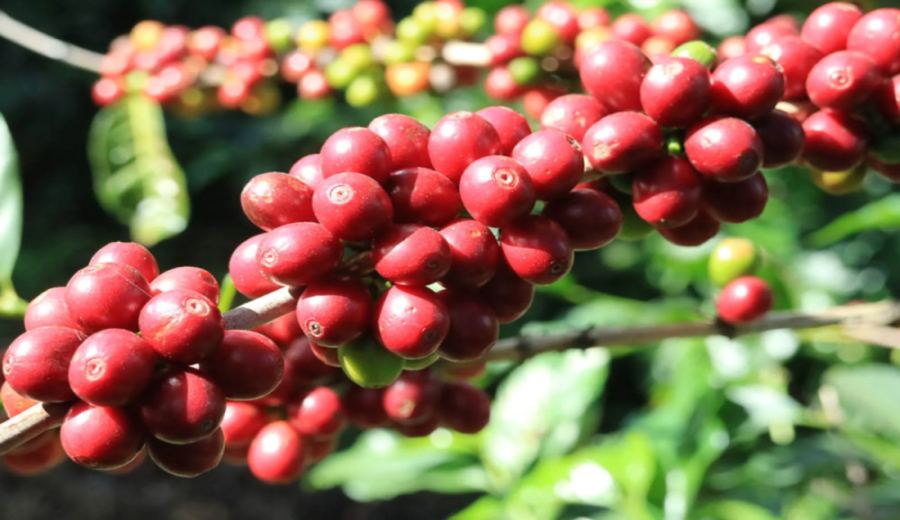
Introduction:Are you curious about the standout specialty coffee varieties that have been making waves in recent years? Sidra and Pacas, two rising stars, not only boast unique flavor profiles but have also demonstrated great potential in various international competitions and growing regions. This article will delve into their origins, genetic characteristics, ideal growing environments, flavor expressions, and share hands-on pour over experiences to help coffee enthusiasts gain a more comprehensive understanding of these two distinctive beans.
In the world of specialty coffee, beyond the widely known traditional varieties such as Bourbon, Typica, Caturra, and Catimor, an increasing number of unique and characterful specialty beans have gradually entered the market, winning favor among both consumers and roasters. Among them, Sidra and Pacas are two highly representative examples. They have not only made their mark in international competitions but have also attracted attention from many coffee farmers and roasters due to their distinctive flavors and adaptability.
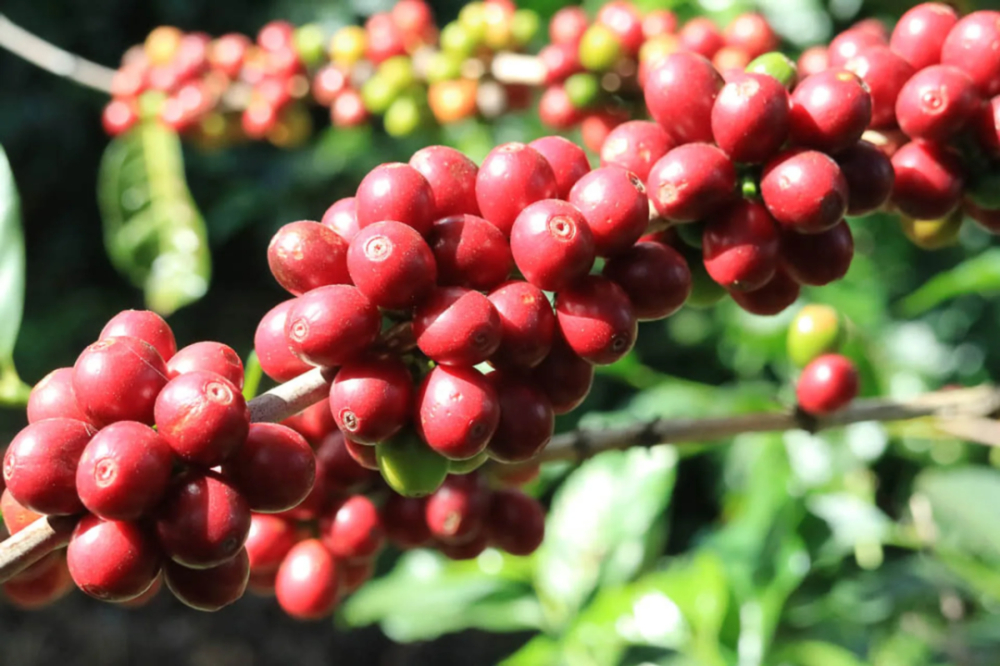
With the continuous advancement of coffee cultivation and breeding techniques, the diversity of coffee varieties has significantly increased through methods such as introduction, natural mutation, and artificial hybridization. In addition to those well-known varieties, many coffee research institutions and large agricultural enterprises are continuously investing resources in an effort to develop rare varieties that are disease-resistant, suited to specific altitudes and climates, and possess unique flavor characteristics.
Among the many emerging varieties, Sidra has seen a steady rise in popularity in recent years. According to available information, Sidra likely originated in Pichincha Province, Ecuador, where Nestlé Coffee once had a breeding center primarily focused on hybridization experiments between Ethiopian landraces and varieties like Bourbon. Although the center is now closed, Sidra is believed to be one of the unpublished breeding outcomes from that time. Genetic analysis shows that Sidra’s genetic structure is more closely related to Ethiopian landraces rather than the traditionally assumed hybrid of Typica and Bourbon.
Sidra thrives best at high altitudes of around 1,650 to 1,800 meters. It currently performs exceptionally well in countries such as Ecuador and Colombia, particularly shining in Colombia’s Huila region. This variety not only offers relatively stable yields and a certain level of resistance to leaf rust and some pests, but also requires attention to the risk of coffee berry disease. Sidra rapidly gained fame after being chosen by champion baristas in both the 2019 and 2022 World Barista Championships (WBC), where it helped secure victories, quickly becoming a top choice for many coffee enthusiasts eager to try something new.
Currently, there are many Sidra coffee beans from Colombia available for consumers to try, among which the double anaerobic natural process is the most representative. This processing method effectively highlights fruity notes. Based on actual pour over experience, using a V60 filter with a 1:15 coffee-to-water ratio can clearly bring out pronounced fruit aromas such as grape, passion fruit, and citrus, along with a moderate fermentation layer, resulting in a full-bodied and smooth overall mouthfeel—making it an excellent choice for pour over coffee tasting.
Another noteworthy specialty variety is Pacas. As a natural mutation of Bourbon, Pacas exhibits a significant reduction in plant size due to a single gene mutation, a trait that makes it more suitable for dense planting and effectively increases yield per unit area. Pacas was first discovered in 1949 on the farm of the Pacas family in the Santa Ana region of El Salvador, and was named after the family, subsequently becoming one of the country’s important coffee varieties.
To further enhance the quality and stability of Pacas, the Salvadoran Coffee Research Institute (ISIC) initiated a pedigree selection program starting in the 1960s. Through multiple generations of single-plant selection and breeding, they gradually improved its agronomic and flavor performance. To this day, Pacas remains an important variety in El Salvador’s coffee-growing regions, accounting for approximately 25% of the country’s total coffee production. Additionally, in 1974, the Honduran Coffee Institute (IHCAFE) also introduced Pacas to Honduras, primarily planting it in the Montecillos region, where it has gradually become a common choice among local coffee farmers.
In summary, Sidra and Pacas each represent different paths of variety development: the former, through possible hybridization and genetic evolution, showcases unique flavors close to landraces and competition potential; the latter, leveraging the plant advantages brought by natural mutation, becomes an economical option for high-altitude dense planting. For coffee enthusiasts, gaining an in-depth understanding of these specialty varieties not only enhances the pleasure of tasting but also helps make more informed decisions when selecting coffee beans.
The above content is compiled by CoffeeHunters, a coffee news website.


