







Introduction:As a genetic treasure trove of coffee, Ethiopia’s varietal classification has long puzzled coffee enthusiasts. This article delves into the true nature of the Heirloom variety, traces the research background of numeric strains such as 74110 and 74158, and introduces how JARC saved production regions through disease-resistant breeding programs. From wild forest coffee to local Landrace varieties, it offers a comprehensive understanding of Ethiopia’s diverse coffee varietals and their flavor potential.
Ethiopia’s coffee varietal system resembles a genetic maze, encompassing both naturally evolved wild types and artificially selected disease-resistant strains. When you see “Heirloom” or “74158” on a package, there’s actually a story of agricultural technology and regional terroir spanning half a century behind it. Understanding these varietal classifications not only helps you choose coffees with more distinctive flavors but also allows you to appreciate Ethiopia’s unique status as the birthplace of coffee.
The country’s coffee cultivation can be divided into three main types: foremost among them is wild forest coffee, primarily found in the Kaffa region of southwestern Ethiopia. These coffee trees coexist with other plants in natural environments, resulting in high levels of varietal hybridization. Although yields are relatively low, they harbor rich genetic diversity. A certain coffee brand’s washed batch, for instance, uses coffee cherries from this ecosystem, highlighting bright citrus acidity and jasmine floral notes through precise medium-light roasting.
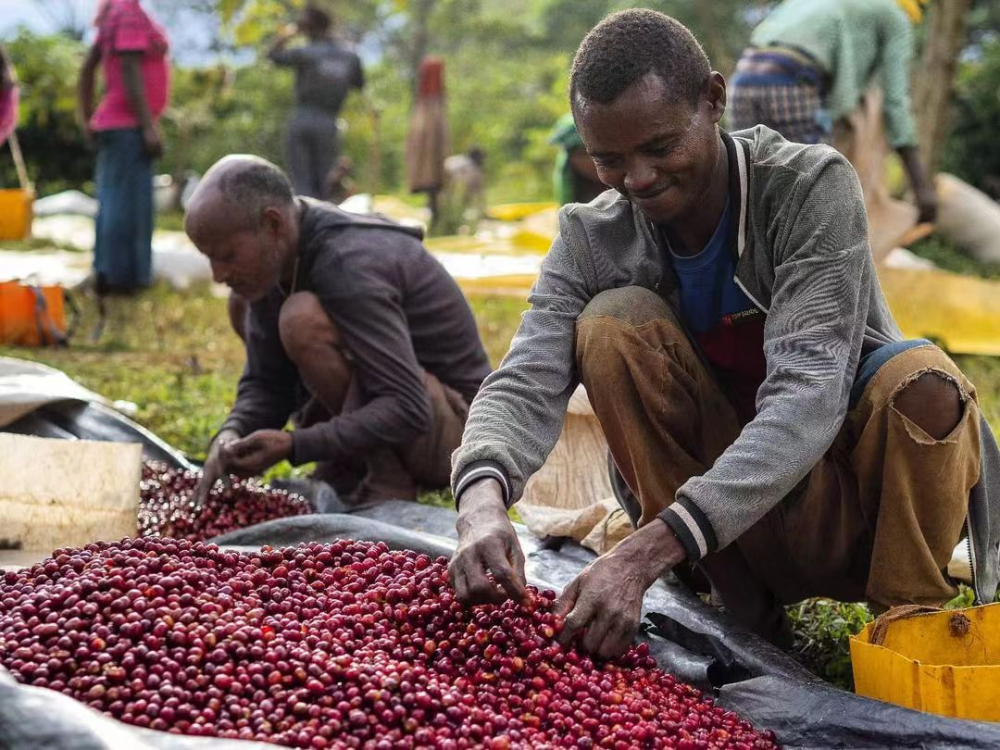
The second common type is home garden cultivation, where farmers plant several hundred coffee trees around their residences. The origins of these trees vary—they might be generational seedlings or obtained through neighborly exchanges. Lastly, there are large-scale managed coffee estates, such as the renowned Gesha Village, where varietals and cultivation conditions are meticulously documented.
It is estimated that there are currently between 10,000 and 15,000 coffee genotypes in Ethiopia, most of which have not yet been scientifically classified. This is why the majority of Ethiopian beans on the market are labeled as “Heirloom”—a term that actually refers to “regional mixed native varieties,” encompassing the diverse varietals harvested by local smallholders. These beans vary significantly in size and shape, and after roasting, often exhibit complex layers of fruity acidity and floral aromas.

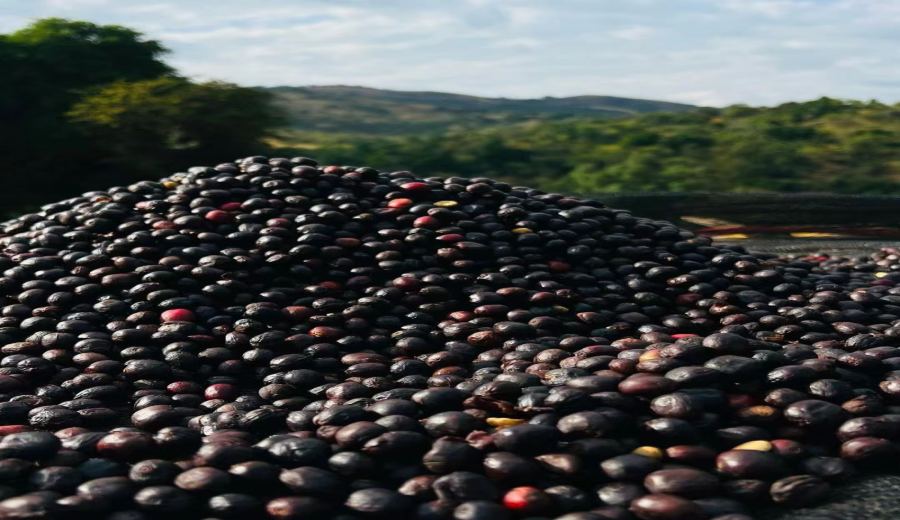
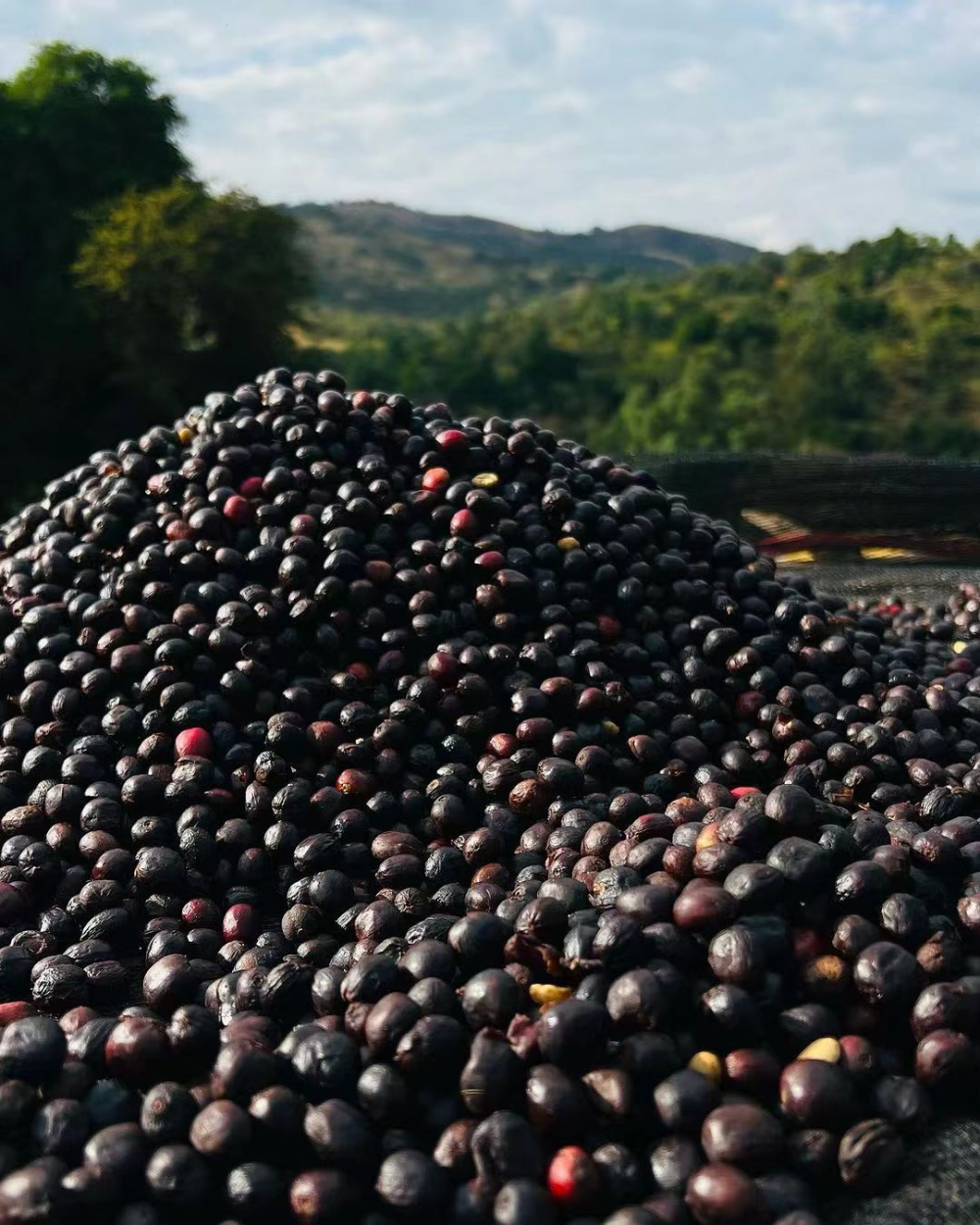
The outbreak of Coffee Berry Disease (CBD) in the 1970s altered the trajectory of Ethiopia’s varietal development. This fungus turns coffee cherries from green to black, and in severe cases, can lead to an 80% loss in yield. To combat the disease,the Jimma Agricultural Research Center (JARC)launched a disease-resistant variety breeding program in 1972, collecting 639 seed samples from 19 locations in the southwestern region.
After three years of trials, the research team confirmed 13 varieties in 1975 that combined disease resistance, drought tolerance, and excellent flavor. These achievements were named based on the year of collection, forming the later well-known74 series (cataloged in 1974) and 75 series (cataloged in 1975). For example, the widely acclaimed 74158 variety, when processed with 96-hour anaerobic natural drying in the Sidamo region, can showcase tropical fruit notes like guava and pineapple, with a wine-like richness in the finish.
In addition to numerically designated varieties, in recent years more local Landrace varieties have been systematically recorded. These farmer-cultivated and long-adapted varietals, such as Kurume and Dega, are not only suited to specific microclimates but also maintain flavor stability. JARC researchers have conducted field surveys to name these tree varieties—once lumped under “Heirloom”—helping consumers more accurately understand the origin characteristics of the coffee.
When you taste Ethiopian coffee, whether it’s a forest-blend batch labeled Heirloom or a specifically numbered resistant strain like 74112, you can sense the deep genetic heritage of this country as a coffee gene bank. From the natural evolution of wild varieties to the collaborative varietal improvement efforts of scientists and farmers, every coffee bean carries a unique terroir memory.
The above content is compiled by CoffeeHunters, a coffee news website.


