







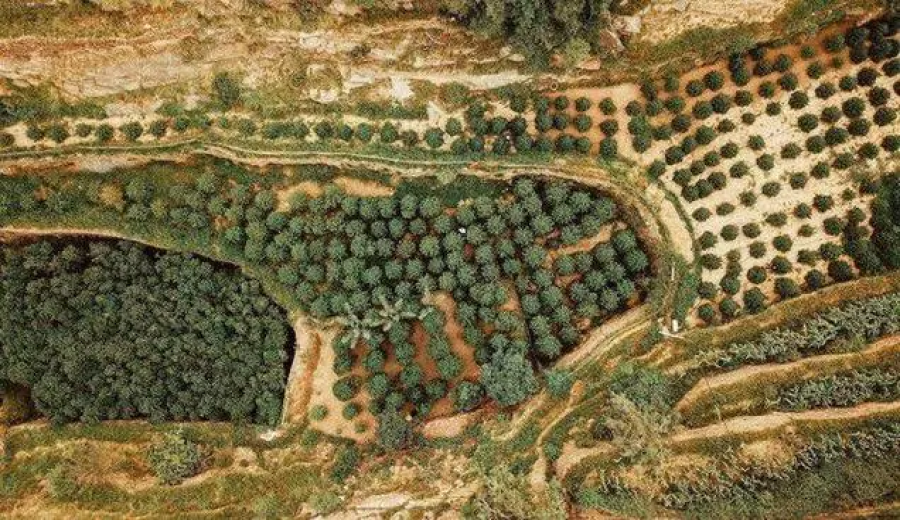
Introduction:The Saudi Ministry of Culture has recently approved 20 research and development projects focused on coffee culture and industry, jointly promoted by government authorities and the Saudi Coffee Company as part of the Vision 2030 initiative. These studies span three major themes: historical tracing, intangible cultural preservation, and the advancement of cultivation techniques, aiming to deepen the global influence of Arabic coffee and accelerate economic transformation. This article details the key aspects, underlying motivations, and future goals of the program, bringing you up to date with the latest developments in Saudi Arabia’s coffee industry.
The Saudi Ministry of Culture has recently made a significant decision to approve 20 coffee-related research projects, which are publicly funded and focus on the historical background of coffee in the Arabian Peninsula, the value of its intangible cultural heritage, and the enhancement of cultivation and production technologies. This move is part of the “Quality of Life Program” under Saudi Arabia’s Vision 2030, demonstrating the country’s commitment to diversifying its economic structure through the coffee industry.
The program was jointly planned by the Saudi Ministry of Culture and the Saudi Coffee Company, which is owned by the Public Investment Fund under the ministry. Its primary goal is to deeply explore and promote the cultural heritage represented by Saudi coffee. In addition to providing the necessary funding for research, the program also includes academic support, such as assisting in the publication of research findings in international scientific journals, ensuring that participating scholars and experts receive adequate financial and academic resources throughout the research process.
The funded research projects are mainly divided into three directions. The first focuses on exploring the history of coffee in the Arabian Peninsula, including its origins, traditional production methods, and how these cultural elements have spread and evolved across the country. The second centers on the intangible cultural heritage closely associated with Saudi coffee, encompassing traditional knowledge, craftsmanship, folklore, daily practices, and deeper cultural meanings. The third direction emphasizes enhancing the competitiveness of coffee cultivation and production, driving sustainable economic transformation through technological innovation and resource integration.
In fact, this initiative had been in the works since 2022, when it was first proposed by the Saudi Ministry of Culture under the Quality of Life Program framework of the Vision 2030 initiative. For a long time, Saudi Arabia’s heavy reliance on oil has been a major challenge, making the expansion of the coffee industry one of the key strategies to reduce dependence on fossil fuels.
It is worth noting that coffee has a long history in Arab culture, dating back as early as the 13th century, and remains an indispensable part of daily life to this day. Saudi Arabia is now among the top ten coffee-consuming countries in the world, and achieving coffee self-sufficiency has also been included as one of the goals of the Vision 2030 initiative. Proposed by Crown Prince Mohammed bin Salman in 2016, the vision aims to develop a diversified economic model, attract investment, and promote social reform.
On a practical implementation level, the development of Saudi Arabia’s coffee industry has already shown initial success. Currently, over 400,000 coffee trees have been planted nationwide, producing approximately 800 tons of green coffee beans annually, with 2,535 coffee farms in operation. Future plans aim to plant an additional 1.2 million coffee trees by 2026, further expanding production capacity. In addition, Saudi Arabia has established a specialized coffee academy that offers practical courses in cultivation, post-harvest processing, and roasting for farmers, entrepreneurs, and coffee enthusiasts. These measures are expected to significantly enhance the professional level and international competitiveness of the local coffee industry.
Overall, these 20 research projects not only focus on academic value but also shoulder the important task of promoting cultural heritage and industrial upgrading. Through systematic research and practical training, Saudi Arabia is gradually establishing its unique position on the global coffee map. Whether it can successfully transform into a key player in coffee production and cultural export remains a development worth continuous observation.
The above content is compiled by CoffeeHunters, a coffee news website.


