







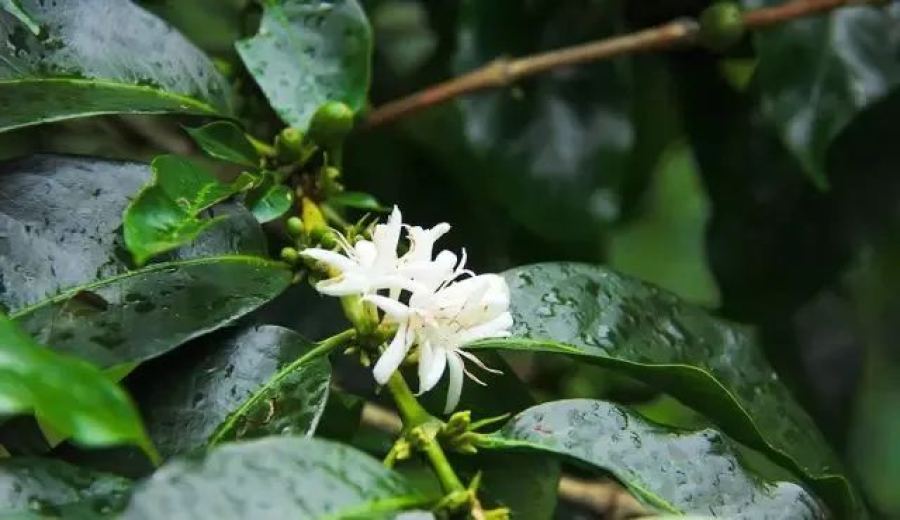
Introduction:Ever wondered why a single coffee can command a sky-high price? This article takes you deep into the origins of the varieties grown at Ethiopia’s Gesha Village Estate, explores its three main lineages and eight distinct plots, and provides a full breakdown of the differences and characteristics between auction lots, Gold Label, Red Label, Green Label, and Chaka blend. Whether you’re looking to choose a Gesha bean perfect for pour over or want to understand the quality logic behind its premium pricing, this is an essential beginner’s guide you shouldn’t miss.
Gesha can be considered a legendary variety in the specialty coffee world, yet the market is flooded with “Gesha” coffees, and few consumers truly understand its origins. This article traces the journey of this bean from Ethiopia’s Gesha Forest, through its introduction to Panama, and its meteoric rise to fame at the BOP auction, focusing on Gesha Village Estate located in the Bench Maji region. It details the development of its varieties, plot divisions, and the unique features of each grade of product.
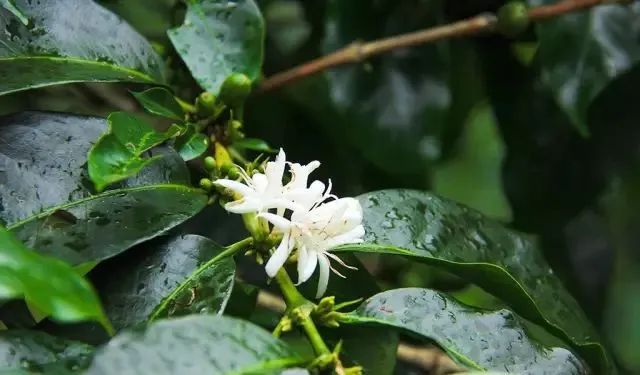
Gesha was first discovered in the wild coffee forests of southwestern Ethiopia in the 1930s, then sent to the Lyamungu Research Station in Tanzania, and later introduced to the CATIE research center in Costa Rica in 1953, where it was registered under the code T2722. Due to its certain resistance to coffee leaf rust, CATIE brought it to Panama in the 1960s, but it remained overlooked for years due to its fragile tree structure—until 2005, when Hacienda La Esmeralda entered it in the BOP competition and achieved exceptionally high scores, propelling this coffee to global fame.
Although Gesha is now grown in many countries, tracing its roots still leads back to Ethiopia’s Gesha Village Estate. In 2007, director Adam Overton and his photographer wife, while filming a documentary for the Ethiopian government, visited the Bench Maji region near the South Sudan border in the southwest and unexpectedly discovered the Gori Gesha Forest. It was during this trip that the idea of establishing their own estate was born.
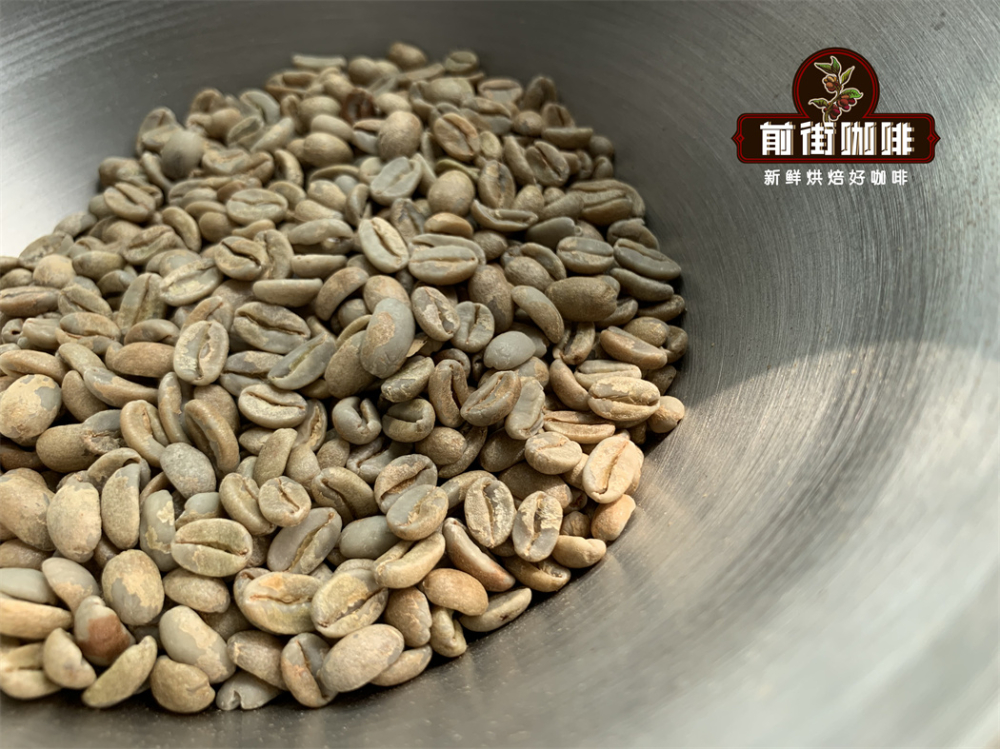
In 2009, after communicating with BOP judge and owner of the Mule Mountain Estate, Willem Boot, the Overtons decided to return to Ethiopia to further explore the origins of Gesha. They discovered wild Gesha trees in the forests around Bench Maji, which were later confirmed to be genetically similar to those in Panama, thus identifying this area as one of the plant’s native regions. Shortly thereafter, they established the 475-hectare Gesha Village Coffee Estate, about 12 miles from the Gori Gesha Forest—now widely known as Gesha Village Estate.
Gesha Village currently cultivates three main varieties: Gesha1931, Gori Gesha, and Illubabor. Among them, Gesha1931 can be traced back to 1931, when it was collected by a British boundary survey team in Ethiopia’s Gesha Forest and later brought to Panama. After genetic comparison, it was found to be very similar to the native varieties around the estate, hence named Gesha1931 (abbreviated as G31). Gori Gesha (abbreviated as GG) was discovered in 2011 in the Gori Gesha Forest and, due to its distinctive appearance and flavor profile, became another flagship variety of the estate.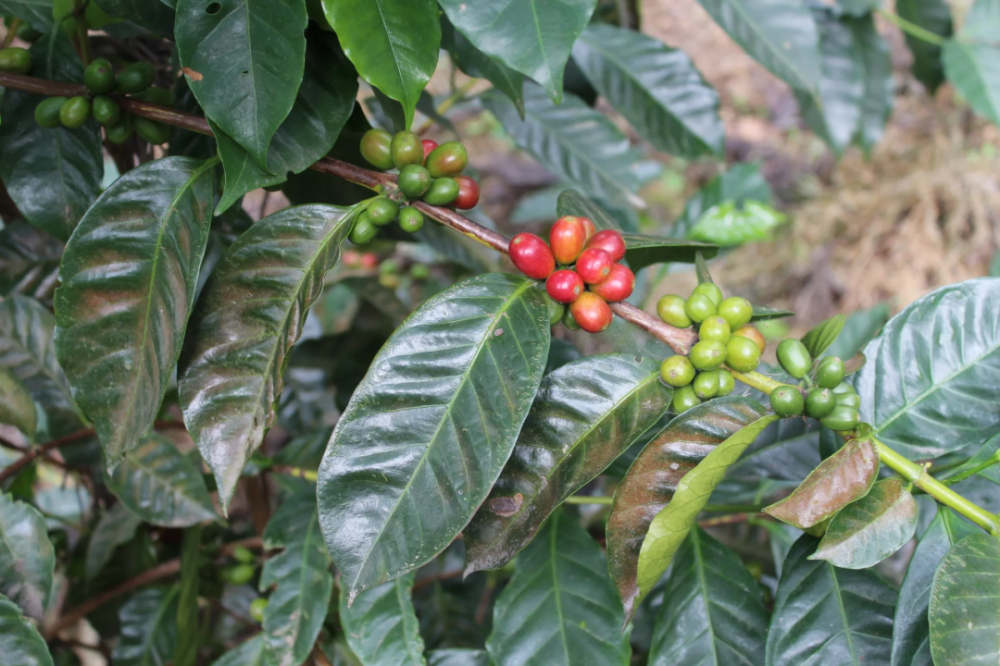
The third variety, Illubabor Forest 1974 (abbreviated as IF), originated from an expedition in Ethiopia’s Illubabor Forest in 1974. Later, a local research center cultivated a disease-resistant improved variety suitable for growing in the region.
Gesha Village Estate divides its cultivation areas into eight distinct plots, with each plot dedicated to a single variety for easier tracking and management. The oma, surma, and narsha plots grow Gesha1931; the bangi, shewa-jibabu, and shaya plots cultivate Gori Gesha; while the gaylee and dimma plots are exclusively planted with Illubabor. This plot-based management approach is modeled after practices at renowned Panamanian estates, helping to precisely monitor the performance and flavor characteristics of each variety.
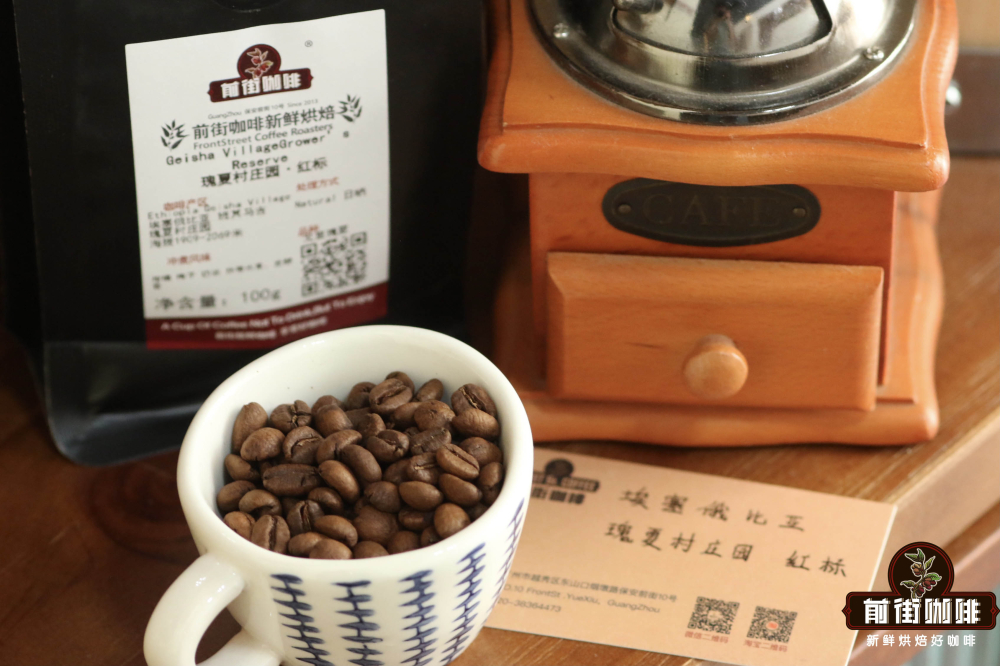
In terms of product grading, Gesha Village offers auction lots, Gold Label, Red Label, Green Label, and Chaka lots. Auction lots account for only 3.7% of annual production and are available only through global auctions, representing the highest grade. Gold Label comes next, making up about 5% of production, with outstanding quality and cupping performance. Red Label lots must score over 88 points in cupping tests, offering relatively high value for money and are a popular choice among coffee enthusiasts. Green Label lots provide only basic information about origin and processing, with no specific cupping score requirement. Lastly, Chaka lots are a blend that combines the three varieties—Gori Gesha, Gesha1931, and Illubabor—along with beans from different plots, delivering a more layered flavor experience.
In terms of actual cupping performance, Gesha Village Gold Label often exhibits bright citrus, chamomile, and tea-like flavors, with some batches even offering lingering notes reminiscent of citrus pu’er tea; Red Label tends to showcase clear citrus tones with a smooth and rounded mouthfeel; Chaka lots, as the value-oriented option, often carry soft berry and floral notes, making them suitable for everyday drinking or for consumers trying Gesha for the first time. These three products are typically processed using the natural method and medium-light roasting, ideal for pour over or filter brewing. It is recommended to brew at 90–93°C with a brew ratio of 1:15 to 1:16 to fully highlight their delicate flavor layers.
The above content is compiled by CoffeeHunters, a coffee news website.


