







Introduction:Jamaican Blue Mountain coffee is hailed as the "king" of coffees, but did you know? In the Taiwanese and Chinese markets, what has long been widely circulated are mostly imitation blends. This article delves into the origins of Blue Mountain coffee, how Japan monopolized 90% of its production for thirty years, and the market shift after 2008. From the story behind Blue Mountain-flavored blends to how to identify genuine Blue Mountain coffee, we’ll take you through the past and present of this top-tier coffee.
Blue Mountain coffee is regarded as a premium delicacy in the coffee world, often referred to as the "coffee king," but many people in Taiwan or mainland China who drink it are actually consuming "Blue Mountain-flavored" blends rather than real Blue Mountain coffee. Behind this lies a history closely tied to a hurricane disaster in Jamaica, Japanese corporate intervention, and a thirty-year exclusive supply agreement. Understanding this is key to truly appreciating the rarity of Blue Mountain coffee.
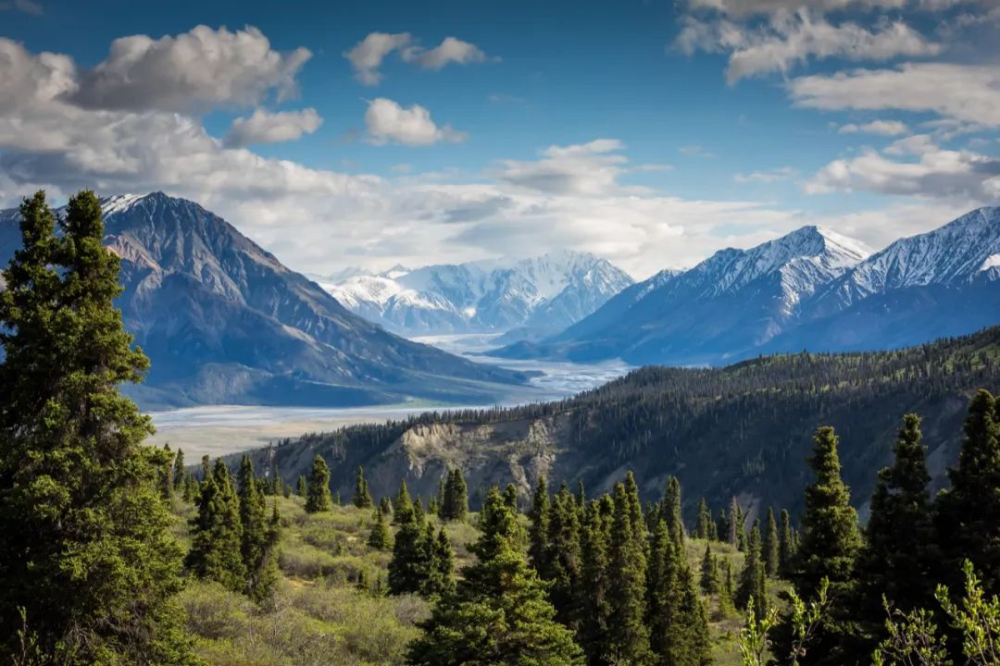
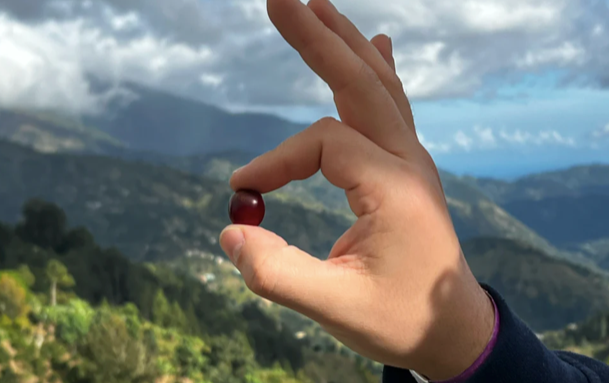
As the name suggests, Blue Mountain coffee comes from the Blue Mountains of Jamaica. The Blue Mountains are located in the eastern part of Jamaica, a Caribbean island nation, and are a mountain range with elevations exceeding 2,000 meters. The reason this mountain is called the "Blue Mountain" is related to the surrounding seawater. On sunny days, the light reflected off the sea surface refracts through the atmosphere, taking on a light blue hue that shimmers among the mountain ridges, making the entire mountain appear as if enveloped in a blue mist—hence the name "Blue Mountain."
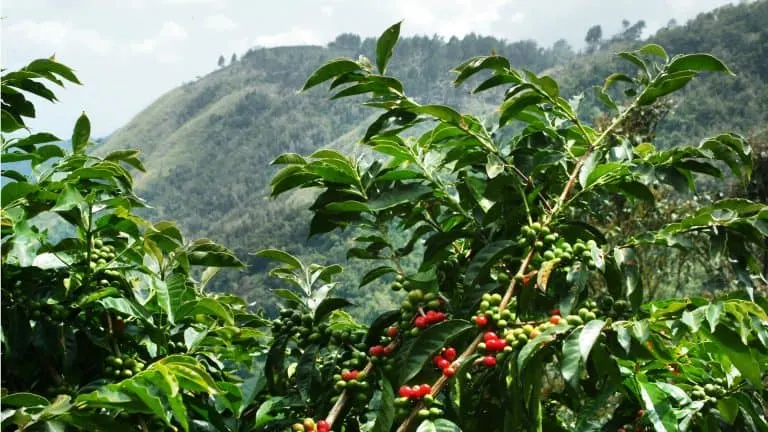
As early as the beginning of the 18th century, Jamaica had already started cultivating coffee. Thanks to its favorable maritime climate, high-altitude volcanic soil, and meticulous cultivation and management, the coffee beans produced locally feature delicate acidity, rich body, and abundant aroma. Such quality even impressed Japanese consumers, who have long preferred dark-roasted Mandheling, praising its flavor as unmatched.
However, the good times didn’t last. In the late 1960s, Jamaica was hit by severe hurricanes, which dealt a devastating blow to the island’s agriculture, and the coffee industry was no exception. Many coffee farms were almost completely destroyed, production plummeted, and the local coffee business fell into a slump. It was at this time that Japan, experiencing rapid economic growth and strong consumer purchasing power, saw an opportunity. Several Japanese trading companies joined forces to provide financial aid to several major coffee estates in the Blue Mountain region, acquiring equity in exchange for loans and securing priority purchasing rights.
To show gratitude for Japan’s help, in 1972 the Jamaican government signed a 30-year supply agreement with Japan, stipulating that 90% of the annual Blue Mountain coffee production must be prioritized for export to Japan, with only the remaining 10% allowed for export to other countries. Given that Blue Mountain coffee production was already very limited, such allocation made the amount reaching international markets even more minuscule.
The Japanese companies that secured the 90% quota heavily promoted Blue Mountain coffee, shaping its image as a high-end, rare product, sparking a "Blue Mountain craze" in the market. Many consumers came to believe that drinking Blue Mountain coffee was a status symbol, and prices soared accordingly, even earning it the title of "king of coffees."
But for most non-Japanese consumers, the chance to access genuine Blue Mountain coffee was extremely slim. Even when small amounts of Blue Mountain coffee made their way into the Taiwanese or Chinese markets at the time, the quantities were incredibly limited. Coupled with the fact that domestic coffee culture was not yet widespread and consumer awareness of Blue Mountain flavors was limited, some merchants began passing off blends as the real thing. They used aromatic, lower-priced coffee beans from regions like Mandheling and Brazil to create mixed beans with similar flavors, labeling them as "Blue Mountain-flavored coffee beans" to mimic a Blue Mountain-like taste experience. Since these were not clearly labeled as "authentic Blue Mountain," such practices long operated in a gray area of the market, leading consumers to generally assume they were drinking the genuine product.
The situation didn’t change until the global financial crisis broke out in 2008. Jamaica’s economy was impacted, and in order to expand the export market for Blue Mountain coffee, the original 30-year supply agreement with Japan expired and was not renewed. From then on, Blue Mountain coffee could finally flow back into the global market, giving consumers in places including Taiwan and China more opportunities to taste real Blue Mountain coffee, rather than just "Blue Mountain-flavored" blends.
Today, if you want to try genuine Blue Mountain coffee, it’s recommended to choose products with clear origin certification from officially recognized Jamaican estates, and pay attention to roast dates and storage methods to fully experience its delicate and balanced flavor profile. Don’t be misled by cheap "Blue Mountain-flavored" blends—the real Blue Mountain is worth savoring the right way.
The above content is compiled by CoffeeHunters, a coffee news website.


