








Introduction:Have you ever heard the term "tea-like sensation" when tasting coffee? Many coffee enthusiasts use "tea-like sensation" to describe the aftertaste or flavor of coffee, but their definitions vary. This article will delve into where the tea-like sensation in coffee comes from, analyze how it differs from astringency, and illustrate through practical examples how different processing methods and origins can present tea-like flavor characteristics—helping you grasp and describe the nuanced mouthfeel of coffee more precisely.
In the vocabulary used to describe coffee flavors, "tea-like sensation" is a common yet highly ambiguous term. Some drinkers associate it with the fresh aroma of certain teas, others perceive it as a tightening sensation on the tongue that lingers, and some even confuse it with astringency. In fact, the tea-like sensation is not a single flavor, but an overall impression that combines aroma, mouthfeel, and aftertaste. This article will start with the basic taste characteristics of tea, help you understand the sources of sweetness after bitterness and saliva stimulation, explore why coffee can give an impression similar to tea broth, and clarify the essential differences between the tea-like sensation and astringency.

Although the international Coffee Taster’s Flavor Wheel does not explicitly list descriptors related to tea, for Chinese consumers familiar with tea culture, using tea aroma or tea-like sensation to describe coffee feels very intuitive. However, everyone's understanding of "tea-like sensation" may differ greatly. Some feel it is the aroma of a particular type of tea, others think it is the refreshing feeling at the back of the throat after swallowing, and still others categorize it as an experience in the finish reminiscent of tea broth. So, what exactly do professionals mean by "tea-like sensation"? And what characteristics do they base their judgment on?
To understand the tea-like sensation in coffee, we must first discuss the basic taste characteristics of tea. Regular tea drinkers often say: “Bitterness can lead to sweetness, and astringency can stimulate saliva.” This phrase reveals two key sensations in tea broth—bitterness and astringency. When tea broth first enters the mouth, it often carries a bitter taste, but it can subsequently transform into a clean sweetness. This process of shifting from bitter to sweet is called "sweetness after bitterness." Astringency, on the other hand, is a tightening sensation on the surface of the oral cavity, often leaving a dry feeling, but it can stimulate saliva production, known as "saliva stimulation."
The bitterness in tea broth is often related to tea tannins found in polyphenols. Tea tannins not only affect the color and aroma of tea but can also bring a slightly rough mouthfeel. It’s worth noting that teas with higher tea tannin content often exhibit more pronounced sweetness after bitterness and saliva stimulation, and these effects last longer. When the tea leaves are of high quality and brewed properly, the tea broth can display clear varietal aromas, bright acidity, and rich layers—for example, the freshness of green tea, the fruity-honey notes of black tea, the floral-fruit and roasted blend of oolong tea, and the aged richness of pu-erh tea.
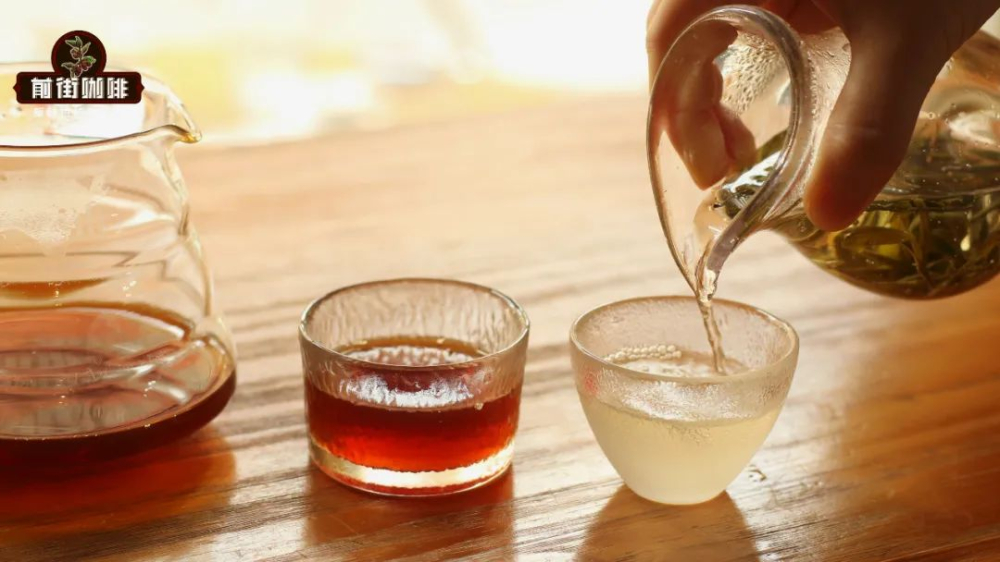
So, why does coffee also exhibit a tea-like sensation? This is closely related to our olfactory and taste memory. The areas of the human brain that process smell and memory are located close to each other, so our perception of flavors is often influenced by past dietary experiences. When we drink coffee, our taste buds first perceive basic tastes such as sourness, sweetness, bitterness, and saltiness. Then, during swallowing, aromatic molecules enter the nasal cavity through the retronasal passage and combine with taste signals in the mouth to form a complete flavor impression—this is known as "retronasal olfaction."
If the detailed aromas of the coffee—such as a certain fresh floral or fruity note—paired with moderate sweetness after bitterness, slight astringency, or saliva stimulation, trigger your memory of a particular type of tea, such as Tieguanyin, pu-erh, or black tea, then you are experiencing the "tea-like sensation" of that cup of coffee. In other words, whether you can taste the tea-like sensation in coffee largely depends on your familiarity with the aroma, taste, and the sweetness and saliva stimulation of tea.
For example, certain washed-process coffees, due to their bright acidity and light floral notes, can easily remind one of green tea or lightly fragrant oolong. Like when tasting Panama washed Boquete Geisha, its clean floral notes, sweet fruity acidity, and light mouthfeel may evoke the flavor profile of Tieguanyin. Therefore, the tea-like sensation does not refer to a specific sensory experience, but rather a comprehensive description of the overall flavor profile of the coffee.
However, the tea-like sensation must never be confused with astringency. Astringency is not a taste, but a tactile sensation. It usually results from polyphenols binding with saliva proteins, reducing the lubrication of the mouth and causing a rough or gritty feeling on the surface. In coffee, astringency is often seen as a negative characteristic, especially when it is too strong or harsh, as it can mask the delicate flavors of the coffee itself. But it’s worth noting that some mild astringency—such as a citrus peel-like tightening—when balanced with the fruit acidity and slight bitterness of the coffee, can actually add layers, similar to the flavor profile of yuzu tea.
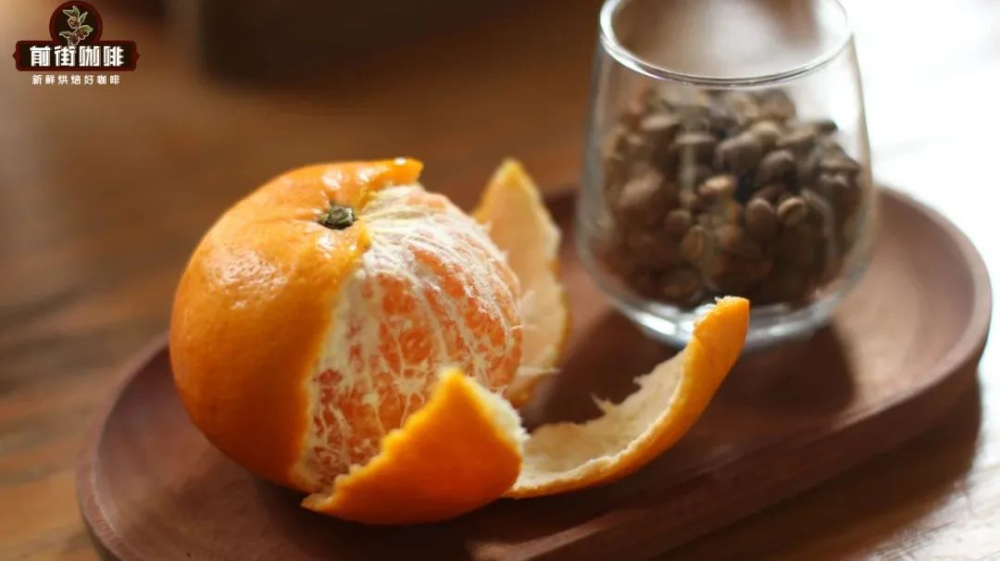
The "tea-like sensation" in the mind of each coffee drinker may be completely different, depending on individual memories and sensitivity to tea. For instance, when tasting washed Yirgacheffe Gedeb Guji, one might perceive its fresh floral notes, clean sweetness, and mildly astringent finish—overall reminiscent of unfermented green tea. Another example is a sun-dried Yunnan Typica, where the fermentation process involving both the fruit pulp and beans brings rich sweetness and solid sweetness after bitterness, evoking the flavor of fully fermented black tea.
Additionally, some coffees with rich layers of aroma can evoke even more unique associations with specific types of tea. For example, Ethiopia’s Konga Amarelo coffee beans have acidity as bright as white grape juice, with a hint of pomelo peel astringency and sweetness after bitterness, along with delicate floral notes—reminding one of rose tea. This shows that the world of tea includes many types such as white tea, green tea, oolong, black tea, and pu-erh. Therefore, even the same concept of "tea-like sensation" may present completely different perceptions in different people’s minds.
In summary, the tea-like sensation in coffee is an overall impression that combines aroma, mouthfeel, and aftertaste. It may stem from bright acidity, delicate layers of aroma, or the sweetness after bitterness and saliva stimulation felt after swallowing. If you wish to seek the tea-like sensation when brewing or tasting coffee, consider observing the aroma characteristics, the balance of sourness and sweetness, and the mouthfeel, and combine them with your own tea memories to define your personal interpretation of the tea-like sensation.
The above content is compiled by CoffeeHunters, a coffee news website.


