







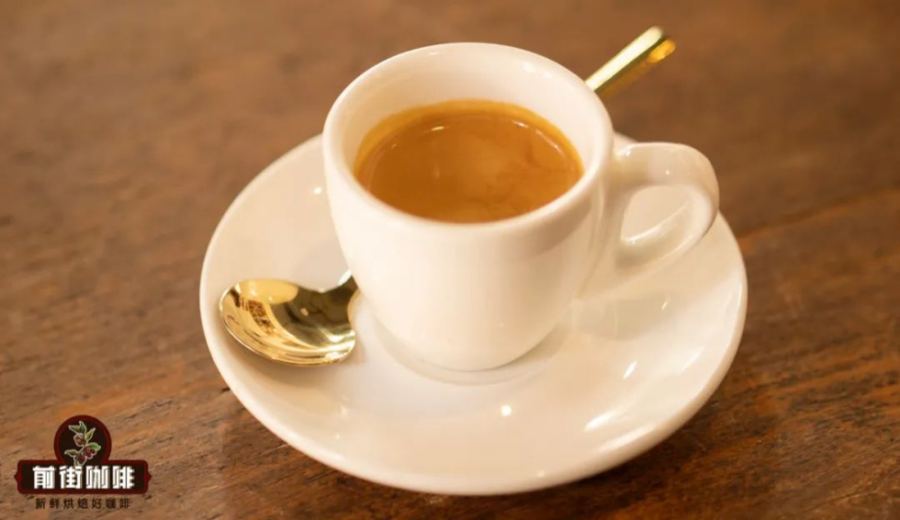
Introduction:The fascinating golden layer of crema on top of an espresso shot, though hailed as the soul of coffee, often carries an intense bitterness when sipped alone—sometimes even surpassing that of the coffee liquid itself. Where does this bitterness in the crema come from? And how does it affect the overall flavor? This article delves into the extraction principles, sources of bitterness, as well as aroma and taste aspects to provide a comprehensive analysis, along with practical tasting suggestions to help you better understand and enjoy this crucial foam layer.
The golden foam on the surface of an espresso is often referred to as the "soul" of coffee. However, when you taste this layer by itself, you might be surprised by its strong bitterness, which can sometimes be even more astringent than the coffee beneath. Japanese coffee researcher Danbe Kinhaku once pointed out that removing the surface crema significantly reduces the unpleasant flavors in espresso; WBC champion James Hoffmann shares a similar view, believing that while crema is visually appealing, it may not be as pleasing on the palate.
A coffee brand once conducted an experiment where they removed the crema from Americano and compared the taste. The results showed that the bitterness was indeed noticeably reduced without the crema. This experiment further confirms that this golden layer of foam is itself one of the key contributors to the bitterness. So why do so many coffee enthusiasts remain so fond of it?
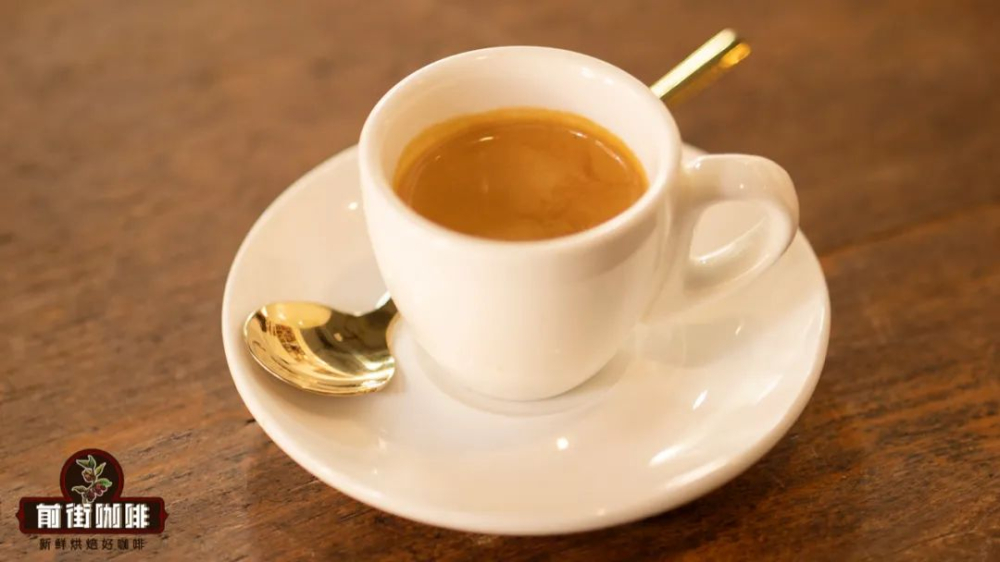
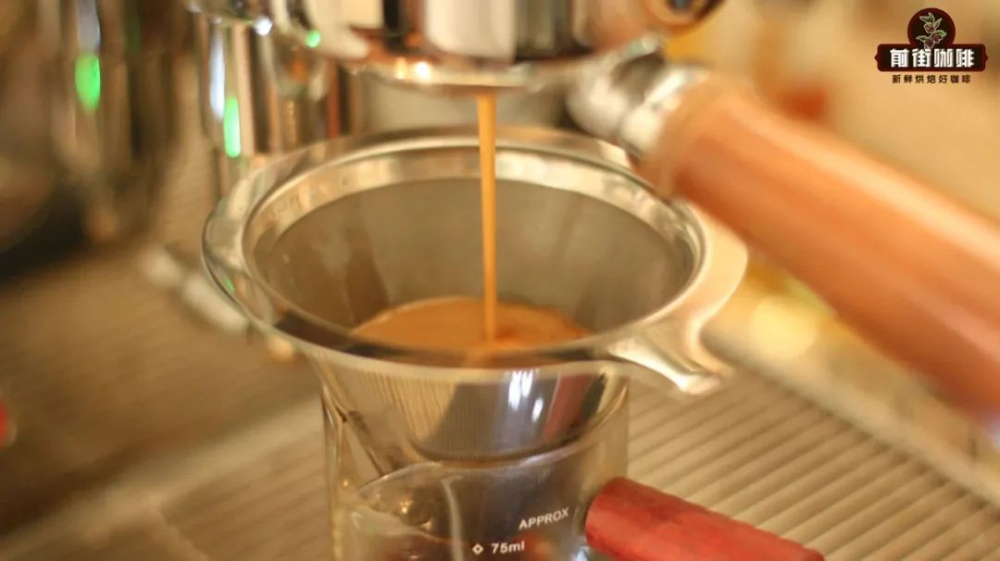
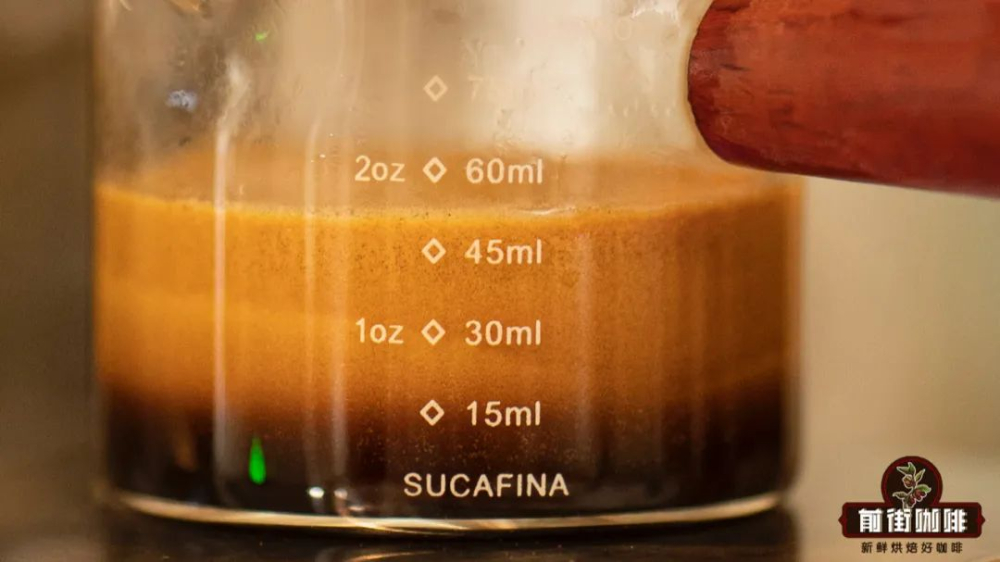
To understand the source of the bitterness in this layer, we first need to look at how espresso is extracted. Espresso is made by quickly extracting finely ground coffee beans under high pressure—around 9 bar—and with hot water in a short period of time. Under such pressure, the carbon dioxide naturally present in the coffee beans doesn’t have time to release or find an easy escape route, and is instead forced to dissolve into the insoluble oils in the coffee. These gases and oils then mix and rise from the bottom of the portafilter basket along with the coffee liquid, eventually forming a golden floating foam on the surface.
In addition to these insoluble oils and carbon dioxide, this layer of crema also contains particularly fine particles known as "espresso micro-fines." These particles are much finer than those typically found in pour over coffee, and they are prone to over-extraction during the brewing process, releasing a large amount of burnt, bitter compounds—which become the main source of bitterness in the crema.
Many people trying espresso for the first time often approach that golden foam with romantic expectations, imagining it to be as richly aromatic as the legends suggest. Yet, when they take their first sip, that expectation is quickly shattered by an intense bitterness, just as Mr. Lu described. But even so, why do so many people remain so enamored with it?
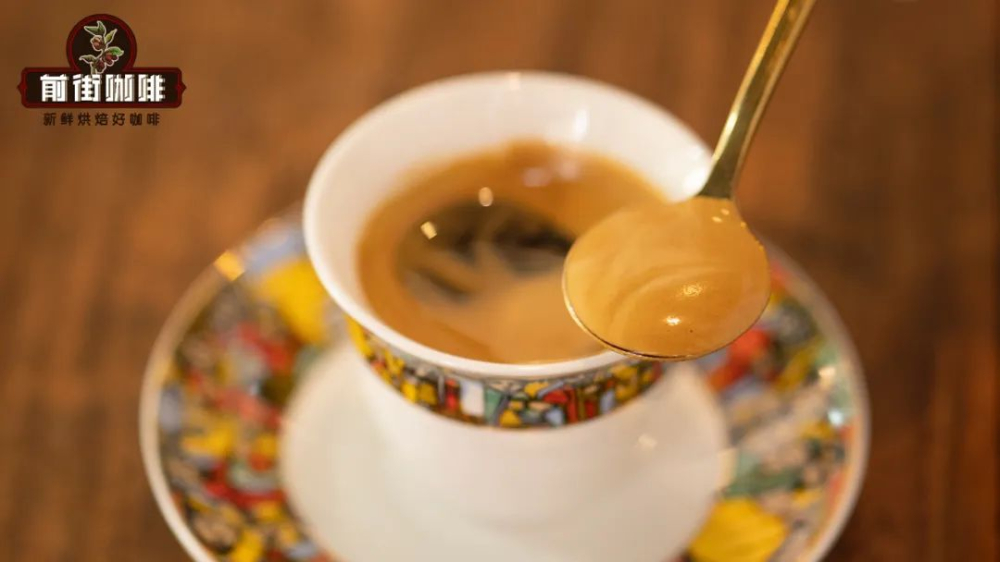
The answer lies in the fact that bitterness is only one small aspect of crema’s profile—it also brings many indispensable advantages to coffee flavor. First is aroma: espresso with crema and espresso without it offer completely different olfactory experiences. The crema is rich in the volatile aromatic compounds of coffee, which are gradually released over time. Our sense of smell can pick up on these compounds sensitively, giving crema-rich espresso a fuller and more intense aromatic profile.
Next is mouthfeel: just as coffee brewed with a cloth filter can deliver a richer and smoother mouthfeel compared to paper-filtered coffee—because the larger pores of the cloth allow more oils to pass through, enhancing body and smoothness—the oils in espresso have a similar effect. They contribute to a rounder, creamier mouthfeel.
Finally, there’s aftertaste: the crema also helps prolong the lingering aromas of coffee, allowing you to continue experiencing its fragrance in your mouth even after swallowing. When you remove the crema—whether you’re drinking straight espresso or mixing it into an Americano—the overall aftertaste becomes noticeably thinner. This is one of the reasons many coffee lovers are reluctant to give up the crema.
In summary, although the crema on the surface of espresso can be controversial due to the burnt bitterness resulting from the mixture of micro-fines and carbon dioxide, it is also a key element that contributes to the overall aroma, mouthfeel, and aftertaste layers of the coffee. If you prefer a cleaner, less bitter coffee experience, you might consider filtering out the crema. But if you’re aiming for a fuller, richer sensory journey through coffee, then this golden foam is still worth savoring and appreciating in detail.
So how can you enjoy it in a way that balances complexity and reduces excessive bitterness? For those new to espresso, it’s recommended to start with small sips, letting both the crema and coffee liquid enter your mouth together to experience the combined flavor profile, then gradually adjust your drinking habits. Whether you choose to keep the crema or remove it, the most important thing is to find your own coffee enjoyment based on your personal taste preferences.
The above content is compiled by CoffeeHunters, a coffee news website.


