







Introduction:Do you often encounter issues where coffee grounds scatter everywhere or stubbornly stick to your grinder or portafilter during grinding? This is actually closely related to static electricity and coffee oils. This article dives deep into the two main causes behind flying and sticking grounds, including the impact of grind size, roast level, and environmental humidity, and provides 5 practical tips—such as using anti-static sheets, air blowers, and distribution needles—to help you effectively solve grinding problems, making every pour over or espresso extraction smoother.
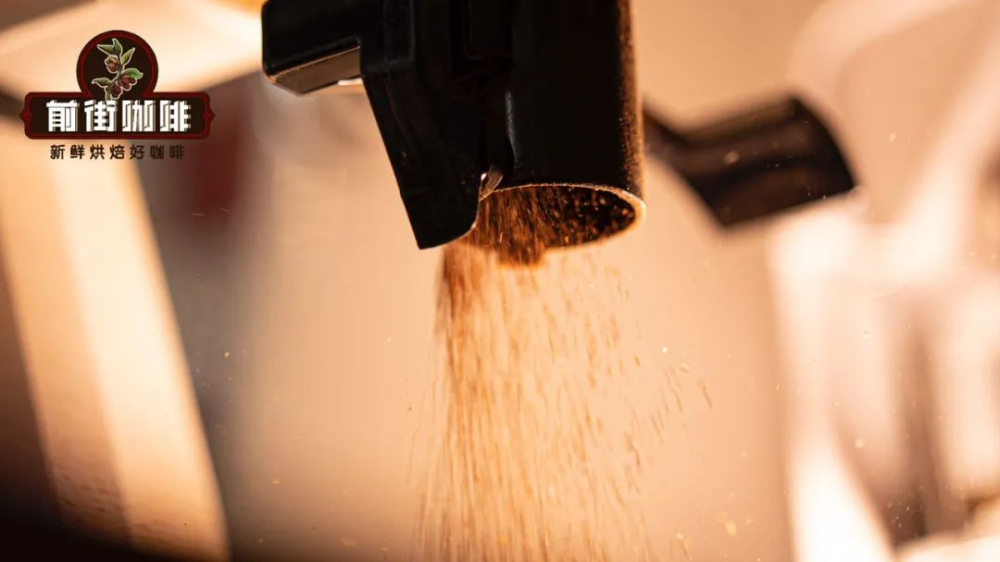
Have you ever noticed while grinding coffee beans that the powder scatters all over or stubbornly clings to the grinder’s outlet, portafilter, or even the inner wall of the dosing cup? This seemingly minor issue actually indicates abnormal stickiness in the coffee grounds, often caused by static electricity and oils. Whether you’re using a hand grinder or an electric one, these problems can seriously affect the evenness of coffee extraction and flavor performance. Next, we’ll break down the causes one by one and provide practical solutions.
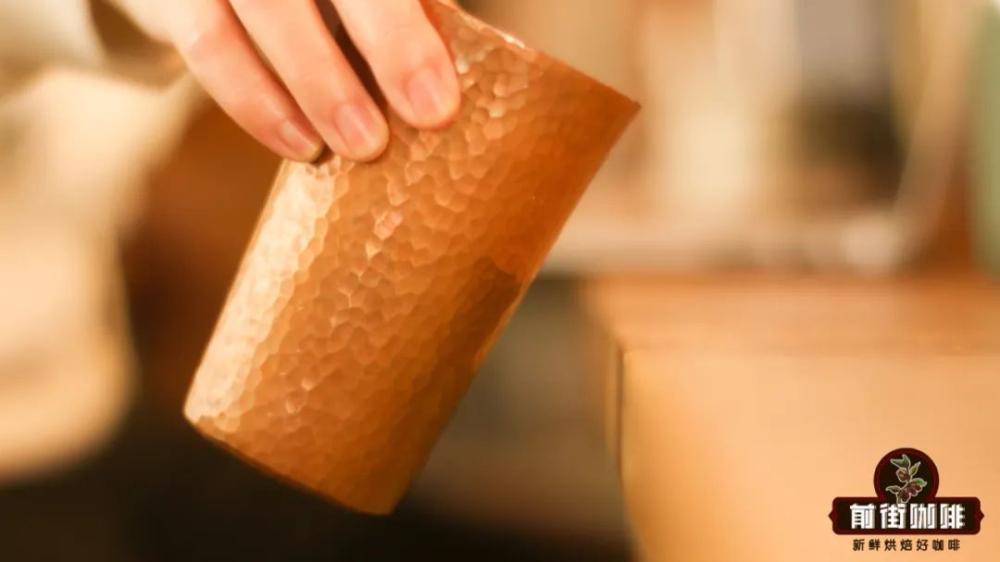
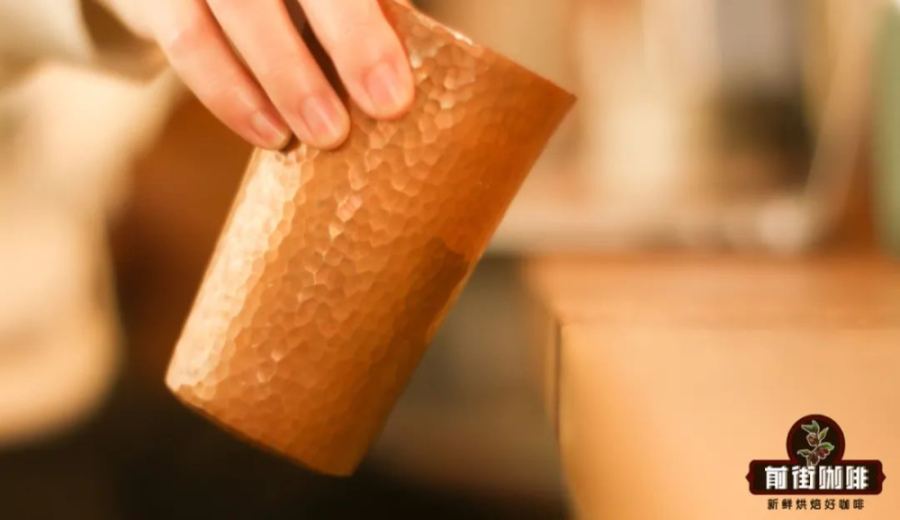
Recently, many users have reported that when grinding coffee, not only do the grounds scatter everywhere, but they also often stick firmly to the grinder’s outlet or the inner walls of the portafilter, requiring significant effort to clean. Some people even find that when transferring coffee grounds to the dosing cup, the powder sticks entirely to the cup’s inner wall and won’t come off no matter how much they tap it. The root of these problems mainly lies in two factors: static electricity generated during the grinding process, and the oils released by dark roasted coffee beans.
1. Static Electricity: The Invisible Culprit Behind Flying or Sticking Grounds
When coffee beans are ground, the beans are shredded at high speed by the burrs. During this process, friction between the beans generates static electricity. This static causes coffee particles to attract each other and even adhere to metal or plastic parts of the grinder, resulting in flying or sticking grounds.
The following three situations are particularly prone to triggering static electricity issues:First, grinding too fine—when the coffee particle size is too small, the contact area between particles increases, and accumulated static electricity can easily form clumps, also known as “coffee balls.”Second, darker roasts—dark roasted beans have a looser structure, so at the same grind size, they produce more fine particles and are more prone to static buildup.Third, cold and dry weather—especially when indoor humidity is below 40%, static electricity issues become more pronounced. This is why flying or sticking grounds are more common during winter grinding.

2. Oils: An Extra Adhesion Challenge from Dark Roasts
In addition to static electricity, dark roasted coffee beans release surface oils during the high-temperature roasting process. While these oils contribute to rich flavors, they also make coffee grounds more likely to stick together, worsening the sticking problem. This oily substance causes the particles to clump more easily, not only making it difficult to pour out the grounds smoothly but also potentially affecting subsequent tamping and extraction.
3. Practical Solutions for Different Sticking Scenarios
1. Coffee grounds stuck to the grinder? Use an air blower for an easy fix
Many high-end grinders are equipped with anti-static devices at the outlet to effectively reduce flying grounds. But if your grinder lacks this feature, consider keeping a cheap and handy air blower (commonly known as a “blow gun”), usually costing no more than a hundred yuan, which can quickly blow away residual grounds stuck around the outlet or burrs, preventing long-term buildup that could affect grinding efficiency.
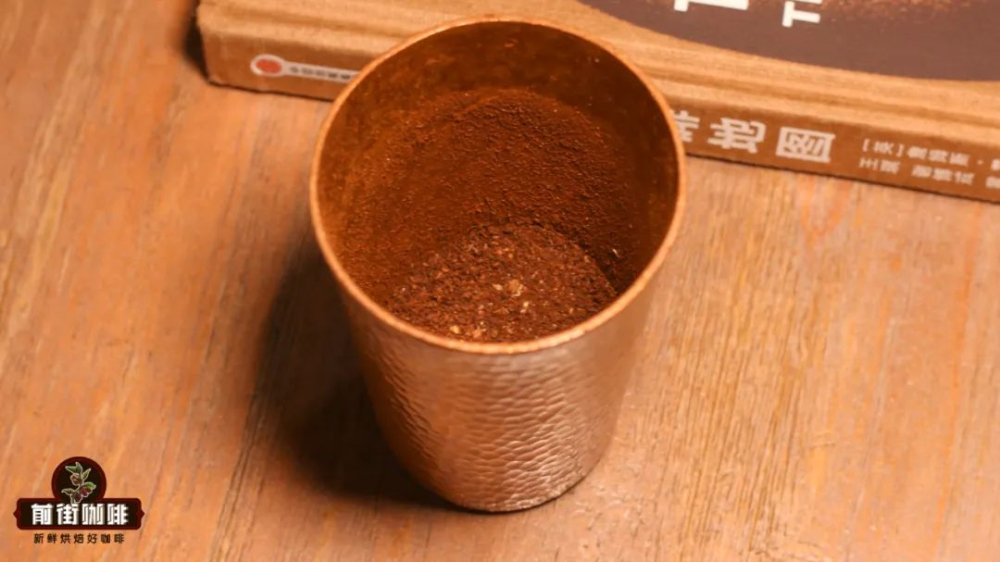
2. Grounds sticking to the portafilter or dosing cup? Gentle tapping or scraping is safer
Even if you manage to blow the coffee grounds out of the grinder, they may still stick to the portafilter or cup due to static. In this case, you can follow the practice of professional baristas: gently tap the outside of the container to use vibrations to loosen the grounds. If you’re worried about using too much force and disturbing the coffee bed, you can also use a small scraper to carefully remove the stuck grounds, keeping the dosing process smooth.
3. Coffee grounds forming clumps? A distribution needle is key to breaking them up
When static electricity and oils act together, coffee grounds may form clumps of varying sizes. Especially during pour over or espresso preparation, too many clumps can cause channeling, affecting extraction evenness. In such cases, it’s recommended to use a distribution needle (or any thin metal tool) to gently break up the clumps, ensuring an even coffee bed, which helps achieve more stable extraction.

4. Online Tip: Adding Water to Reduce Static? More Risk Than Benefit, Proceed with Caution
A common tip found online is to lightly sprinkle a bit of water on coffee beans before grinding to reduce static issues. This method can indeed suppress static to some extent, but if not controlled properly, moisture can easily cause the beans or grounds to become damp, leading to clumping and negatively affecting grind consistency and flavor release. More severely, prolonged exposure to moisture can cause the grinder burrs to rust, significantly shortening the machine’s lifespan. If you really want to try this, be sure to strictly control the amount of water and mix evenly—but overall, it’s better to prioritize the safer and more practical solutions mentioned above.
In summary, the phenomena of flying and sticking grounds during coffee grinding are mainly the result of the interaction between static electricity and oils, and are significantly affected by grind size, roast level, and environmental humidity. By mastering proper cleaning and preventive techniques—such as using an air blower, distribution needle, and controlling environmental humidity—you can effectively reduce these annoying issues, making each coffee-making process smoother and more professional.
The above content is compiled by CoffeeHunters, a coffee news website.


