







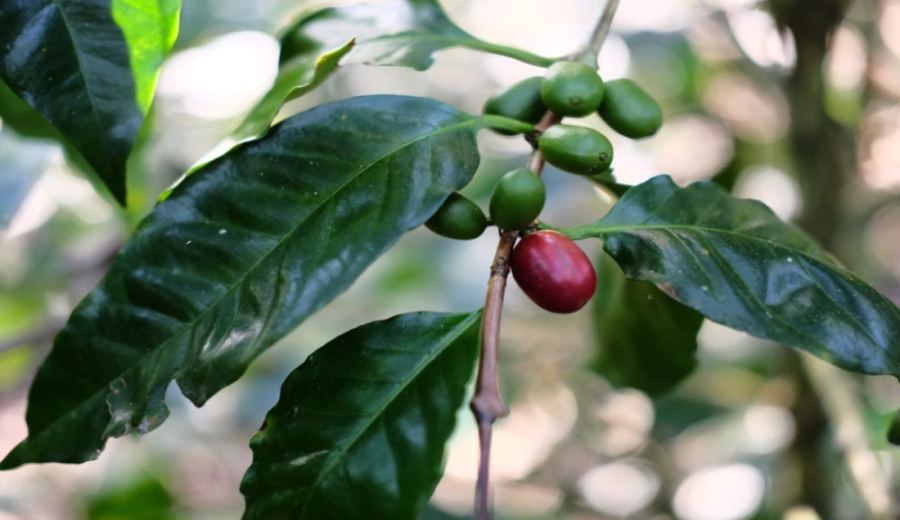
Introduction:As a rare Arabica hybrid variety cultivated in El Salvador, Pacamara stands out with its distinctive "elephant bean" size and intense aromatic profile. In 2007, it even defeated Geisha to win the Cup of Excellence, showcasing its exceptional qualities. This article delves into Pacamara’s genetic lineage, cultivation and processing challenges, compares it with varieties like Sidra and Java, and offers bean selection and pour over recommendations to help you better understand this highly promising specialty coffee bean.
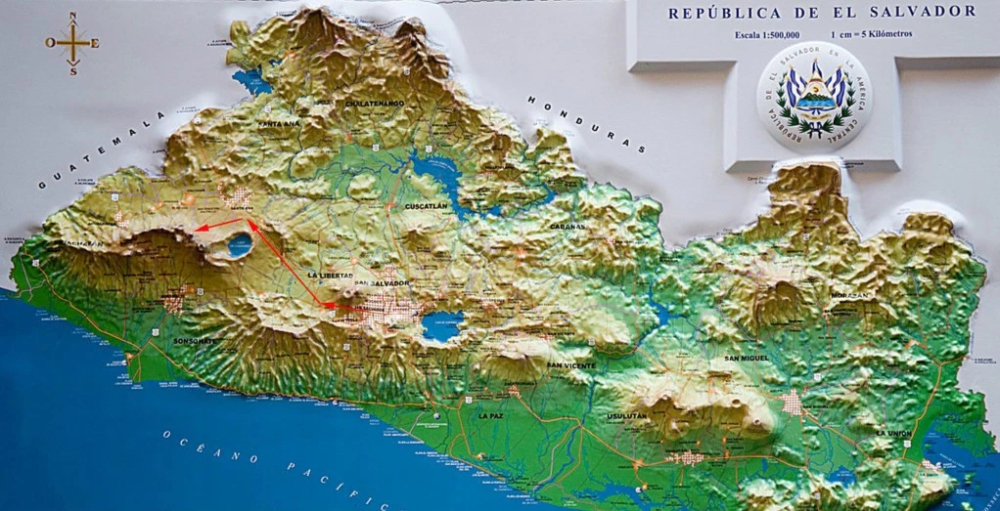
Pacamara was born in El Salvador in 1958, a rare Arabica variety resulting from the cross between Pacas and Maragogype. This variety not only boasts an astonishing bean size close to that of elephant beans but also, due to its complex genetic background and processing challenges, remained obscure for nearly half a century. It wasn’t until 2007, when it swept the Cup of Excellence by winning two championships and even topping popular varieties like Geisha in the Salvadoran competition, that Pacamara rose to global prominence in the specialty coffee scene.
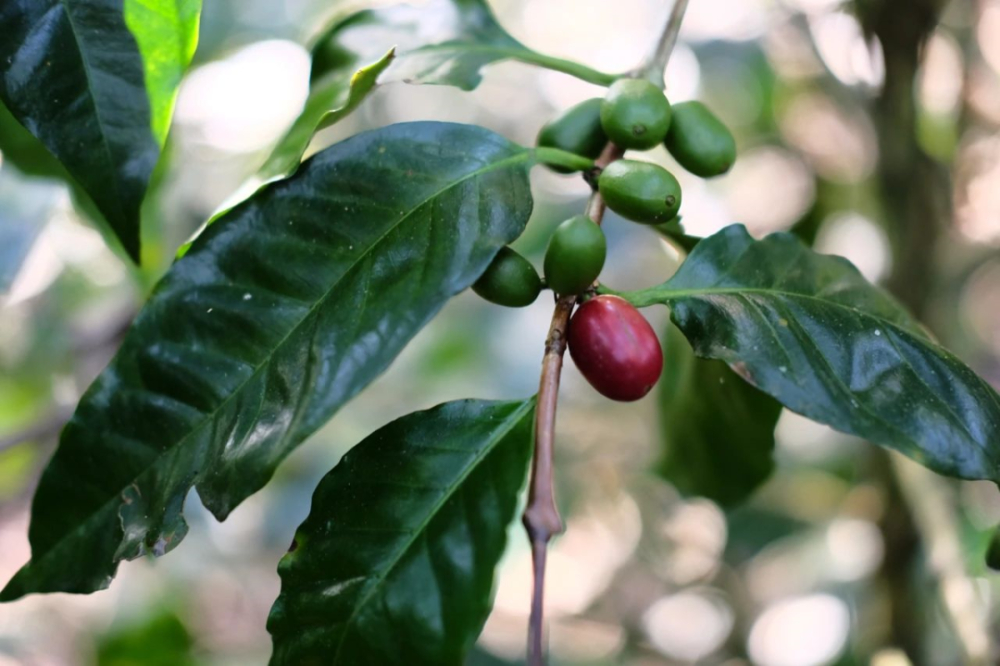
The name Pacamara is derived from a combination of its parent variety names—Pacas and Maragogype, abbreviated as "Pacamara." Among them, Pacas is a natural mutation of Bourbon, first selected by Salvadoran farmer Don Alberto Pacas in 1935 from his own farm as a high-yield mutant strain, and confirmed by University of Florida experts in 1956 as a genetic variation of Bourbon. The other parent, Maragogype, is a giant variant of the Typica family renowned for its "elephant bean" size, known since the 1870s for its volume more than three times that of regular beans.
This genetic combination endows Pacamara with both the high-quality potential of Pacas and the impressive bean size of Maragogype, making it one of the few specialty Arabica varieties on the market that can rival Geisha. However, these very traits also led to significant hurdles during its early development.
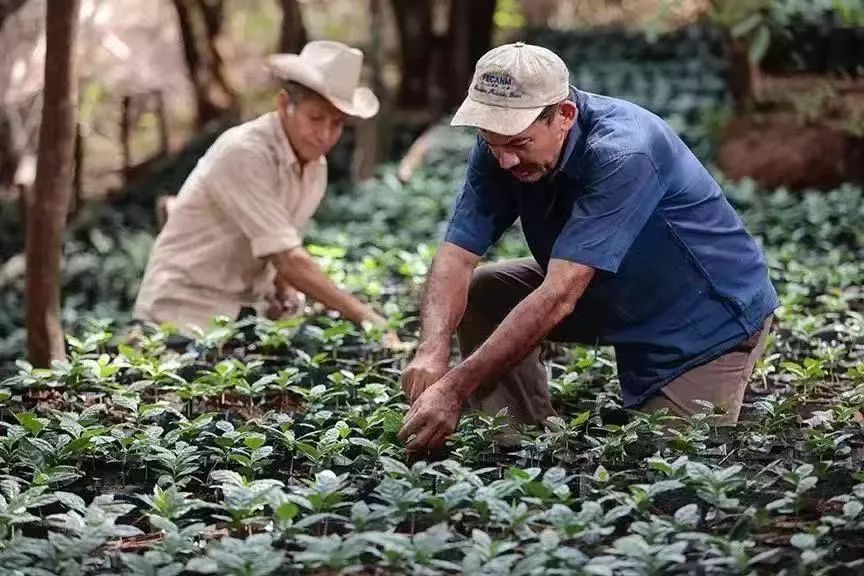
Firstly, Pacamara did not inherit Pacas’ high-yield trait; its yield per unit area is far lower than that of common commercial varieties. Moreover, its unusually large bean size makes it prone to clogging machinery during processing, especially during hulling and washing stages, where beans often get stuck in machine holes. Additionally, most washed processing facilities lack experience handling large beans and are rarely equipped with oversized screens, resulting in low processing efficiency and unstable quality. As a result, despite its extraordinary genetic potential, Pacamara has long been considered a "challenging" variety with prohibitively high cultivation and processing costs, remaining obscure for many years.
The turning point came in 2007, when Pacamara shone brightly at the Cup of Excellence (CoE) competitions held in Guatemala and Honduras. It not only won championships in both regions but also swept the top three spots in the Salvadoran division, defeating numerous competitors including Geisha. The rich layers of flavors it exhibited—from intense floral notes and citrus tones to deep caramel and spicy aftertastes—left a profound impression on judges and consumers alike, giving rise to the reputation of Pacamara as a formidable rival to Geisha.
Compared to other specialty coffee varieties like Sidra and Java, Pacamara delivers more explosive and diverse flavor profiles. Sidra is often celebrated for its unique blueberry and red wine acidity paired with a tea-like mouthfeel, appealing to brewers who enjoy bright fruit acids. Java, on the other hand, is known for its distinctive herbal and spicy notes, often regarded as having an "old-school oriental charm." Pacamara, however, blends a complex medley of intense floral, citrus, nutty, and chocolatey notes, achieving a balanced acidity and sweetness with a lingering finish. Whether brewed using pour over or French press, it showcases its distinctly layered characteristics.
If you’re keen to brew Pacamara, it’s recommended to use a medium-fine grind (similar to granulated sugar), with water temperature controlled between 90-92°C. Employ the common "bloom → pulsed pouring" method often used in Central and South American brewing, such as blooming for 30 seconds followed by pouring over about 3 minutes, which helps to highlight its delicate floral-fruity aromas and full-bodied mouthfeel. Additionally, due to Pacamara’s larger bean size, opt for filter designs that accommodate bigger beans, such as V60 size 02 or fan-shaped filters, to ensure smooth water flow and even extraction.
In summary, Pacamara is not only a proud achievement of El Salvador’s coffee genetic engineering but also, thanks to its unique flavor profile and competition successes, has earned its place among the top varieties cherished by specialty coffee enthusiasts worldwide. Whether you’re a brewing enthusiast seeking fresh flavors or a seasoned coffee connoisseur aiming to explore the nuances of different varieties, Pacamara is definitely worth a try.
The above content is compiled by CoffeeHunters, a coffee news website.


