







Introduction:In recent years, coffee brands have increasingly used limited-edition merchandise as promotional tools—from wooden fish figurines to co-branded tote bags—to entice consumers to place orders for the freebies. This “giveaway-only” strategy shifts consumer focus from the coffee itself to the exclusive accessories. This article delves into the latest buy-and-get campaigns by major players like Starbucks, Manner, and Luckin, exploring the underlying consumer psychology and industry trends to help readers understand the real impact of this merchandise design competition.
Recently, a new trend has emerged in the coffee industry where limited-edition merchandise is used to attract consumers. Well-known brands such as Starbucks, Manner, and Luckin have successively launched various giveaways, including adorable wooden fish figurines, artsy co-branded tote bags, and holiday-themed blind box badges. These have successfully drawn in a large number of customers who purchase coffee just to get these limited-edition items.
This “giveaway-only” promotion model has gradually shifted the competition among coffee brands from the products themselves to merchandise design. As consumers chase these unique freebies, their attention to the flavor of the coffee has somewhat diminished. This article will take a detailed look at the recent buy-and-get campaigns by major brands and analyze the consumer psychology behind this phenomenon and its potential impact on the overall industry.
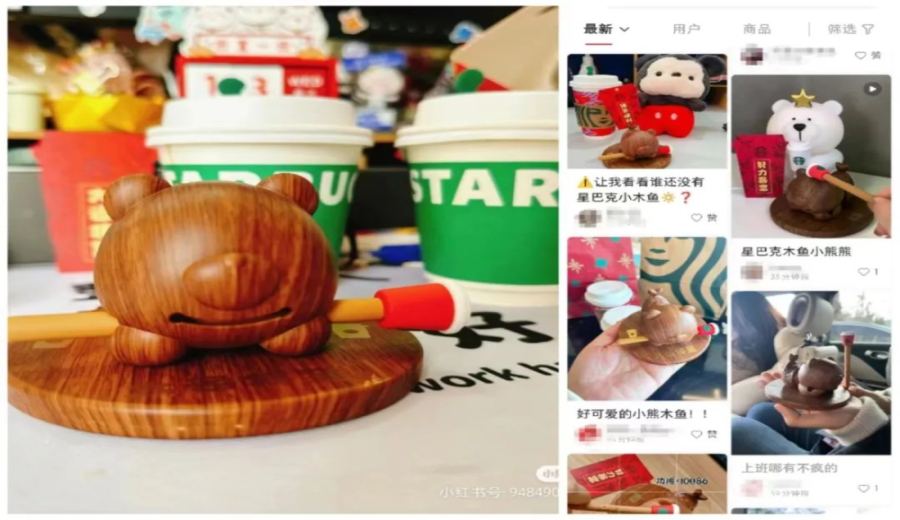
Take Starbucks, for example. Its recent campaign of “buy any two drinks and get a small wooden fish figurine” quickly sparked heated discussions on social platforms. This charmingly designed wooden fish not only became a popular prop for customers to take photos and share online, but also motivated many users who rarely used the app to download it specifically to participate in the promotion. After receiving the freebie, many immediately took photos and played along with the fun meme of “merit +1,” showing the significant influence of merchandise on consumer behavior.
Manner, on the other hand, chose to collaborate with the Pudong Art Museum to launch a co-branded tote bag. This design, rich in artistic flair, successfully attracted a large number of consumers who value lifestyle aesthetics. Even in the face of the risk of excessive caffeine intake, many remained undeterred in their enthusiasm to place orders, demonstrating the strong purchasing influence driven by visually appealing merchandise.
Luckin Coffee’s Christmas blind box badges also performed exceptionally well. Combining the blind box mechanism with a holiday-themed design, this giveaway ignited the passion of collectors. Many consumers jokingly remarked that “you’d have to drink like a giant to collect them all,” reflecting how limited availability and randomness stimulate consumer behavior.
Currently, the update frequency of buy-and-get campaigns by major brands is becoming increasingly rapid. As long as the small merchandise items can incorporate current trendy elements, they often quickly become hot topics. For consumers who are keen on collecting brand merchandise, the flavor and quality of the coffee itself seem to no longer be the top priority—what matters more to them is the appearance and scarcity of the next limited-edition giveaway.
To obtain their desired merchandise, many consumers deliberately choose specific combo deals, with some even making repeat purchases just to meet the spending threshold. After receiving their freebies, they usually take photos and share them on social platforms right away, inadvertently providing the brands with additional exposure and viral spread.
Brand marketers understand young consumers’ mentality of “valuing the case over the jewel,” and have thus joined this “giveaway-only” promotional battle. What should have been a competition based on product quality and pricing has now evolved into a showdown of merchandise design. This shift not only changes the focus of market competition but also has a profound impact on consumer purchasing behavior.
As the competition in the chain coffee market intensifies, the phenomenon of internal competition (involution) is becoming more evident. Brands are using strategies such as IP collaborations and buy-and-get promotions to amplify their presence and drive sales. While these tactics may yield short-term results, in the long run, consumers may gradually shift their attention from the flavor and quality of the coffee itself to the novelty of the limited-time giveaways rolled out each season.
The pros and cons of brands’ continuous “giveaway-only” campaigns, as well as their future direction, are worth ongoing observation and reflection.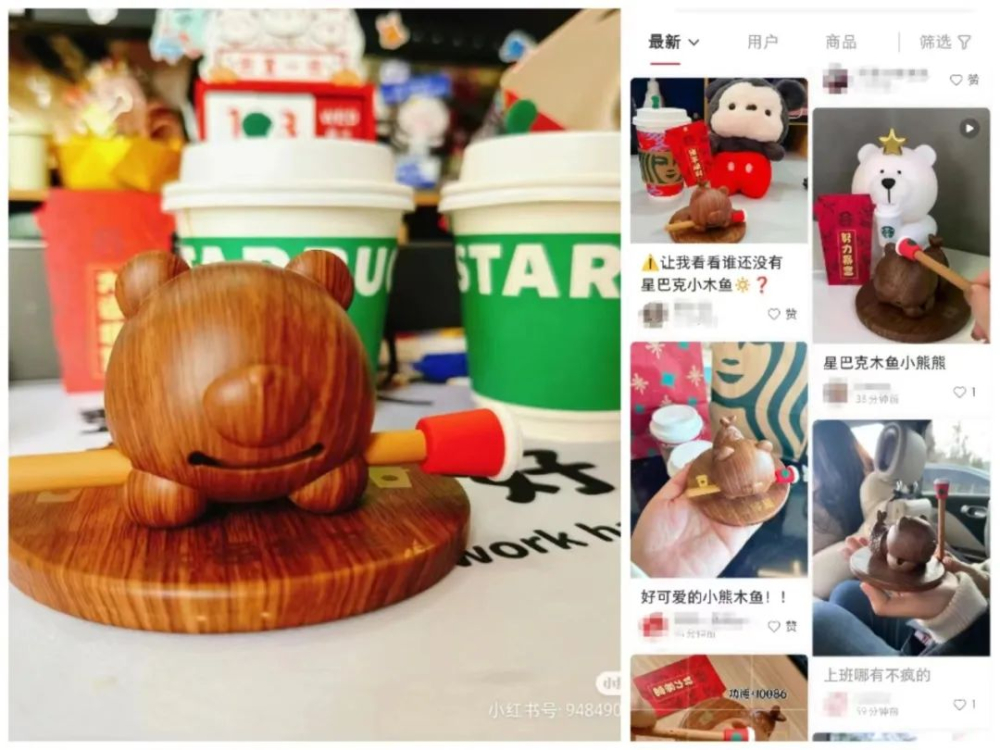 These strategies not only influence consumer behavior but also shape a new landscape in the coffee market—one that deserves joint attention from both the industry and consumers.
In this merchandise design competition, whether brands can maintain the quality and character of the coffee itself while attracting consumers will be the key to future competitiveness.
The above content is compiled by CoffeeHunters, a coffee news website.


