








Introduction:Many people start by smelling the dry aroma of coffee beans when selecting them, believing that beans with captivating scents will taste better when brewed. However, industry insiders warn that this approach to choosing beans has two major pitfalls: dry aroma cannot represent all flavor characteristics, and what we perceive through smell does not always align with what we taste. This article will analyze the limitations of selecting beans based on their scent and offer two more accurate methods—using label information and consulting professional baristas—to help you understand a coffee’s acidity, sweetness, bitterness, and overall flavor profile before tasting.
In specialty coffee shops, more and more customers lean in close to bean containers, take a deep sniff, and then choose beans based on their preference. While this behavior may seem intuitive, it actually hides some blind spots in bean selection. Many believe that coffee beans with rich and enticing dry aromas will surely taste delicious after brewing, but industry professionals point out that this is a common misconception.
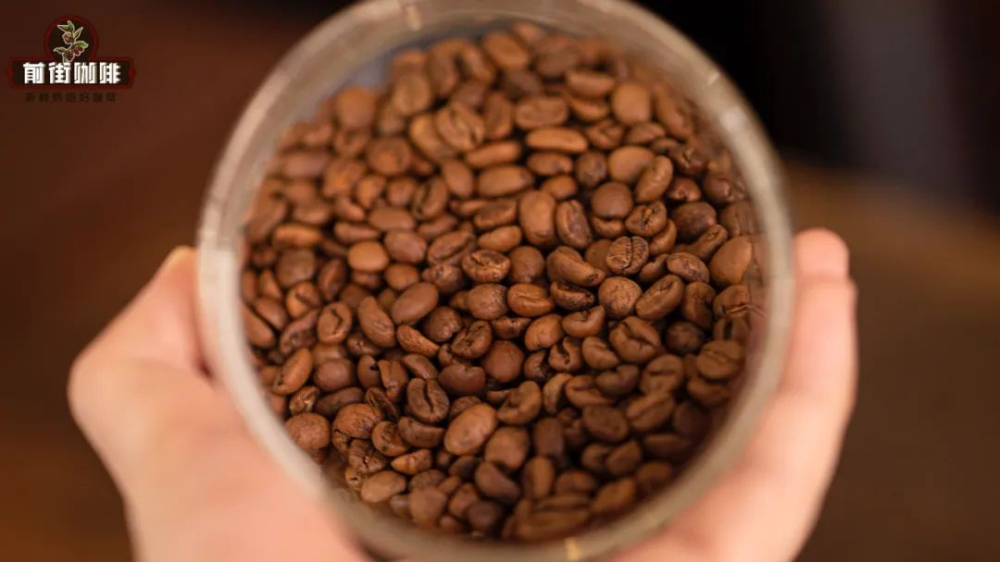
First, we need to understand thatdry aroma (the scent emitted by unground coffee beans) does not represent the full flavor profile after brewing.Although the beans’ own fragrance may include base notes like wood or roasted nuts, as well as hints of fruit, honey, or chocolate, these clues do not necessarily fully predict the final taste.

For example, coffee beans rich in fruity notes may only emit subtle sweet or sugarcane-like aromas in their dry state, rather than obvious floral or fruity scents; and some beans with balanced flavors might only show woody or nutty undertones before grinding, only releasing a variety of aromatic compounds afterward. This indicates thatsome beans that seem “ordinary” may actually surprise you with their flavor after brewing.。
In addition, there is another important concept that needs clarification:the pleasure derived from smell does not guarantee a matching taste experience.Industry professionals have pointed out in articles that coffee aroma often influences our expectations, leading to a gap between how something smells and how it actually tastes.
For instance, some dark roast beans may smell intensely of chocolate and caramel, leading one to expect a sweet and non-bitter cup, but upon drinking, they may reveal noticeable bitterness and spicy notes. Similarly, some beans with prominent fruity notes may smell especially sweet and appealing due to bright acidity, but taste surprisingly acidic—something that can surprise those unfamiliar with coffee’s acidic profile.
So, if we can’t rely solely on smell to judge a coffee’s actual flavor, what other more reliable methods are there? Industry professionals recommend the following two practical techniques, especially useful when ordering or selecting coffee beans:
Method One: Inferring Flavor Characteristics Through Label Information
Most specialty coffee bean packaging or in-store information includes details about origin, processing method, and flavor descriptions. These details actually contain rich clues. For example, origin is a key factor influencing a coffee’s foundational flavor. Different regions, due to variations in climate, soil, and growing conditions, impart unique base characteristics to the beans. Beans from Central and South America often exhibit bright citrus acidity and nutty tones, while African coffees generally showcase more intense floral and berry flavors.
The processing method is also crucial. Washed-process coffee usually features higher acidity and a cleaner taste; natural (sun-dried) process tends to have more pronounced sweetness and rich fruit aromas; anaerobic fermentation processes, due to their unique fermentation, often bring complex, intense flavors such as wine, cream, or tropical fruits. Comparing these processing methods with the flavor descriptions can help you more accurately predict a bean’s acidity-to-sweetness ratio and overall characteristics.
Method Two: Directly Asking a Barista for Professional Advice
If you’re new to specialty coffee, the most direct and effective approach is to ask the barista in the shop. As professionals who work with coffee daily, baristas are not only familiar with the characteristics of various beans but also understand the taste preferences of different customers. Based on your needs—such as “I want something more acidic,” “I prefer stronger sweetness,” or “I like fruity or floral flavors”—they can recommend the most suitable options.
Remember, when asking, try to describe your preferred sensations as specifically as possible, such as “I like coffee with citrus acidity and honey sweetness” or “I’d like to try a dark roast with chocolate and nut flavors.” This will help the barista quickly find a bean that suits your taste.
In summary, although dry aroma can provide some flavor clues, it should not be the sole basis for selecting beans.Understanding the characteristics of origin and processing methods, and making good use of label information and professional advice, will allow you to more accurately choose coffee beans that match your taste,ensuring that each tasting experience meets your expectations.
The above content is compiled by CoffeeHunters, a coffee news website.


