








Introduction:Want to understand the soul of a coffee blend? This article delves into the core principles of espresso blends, from the technical differences between pre-roast and post-roast blending, the importance of roast levels, to how to scientifically combine flavors and mouthfeel. Step by step, it will guide you through practical blending methods. Using classic blend combinations as examples, it teaches you how to create a balanced and layered coffee experience.
Blending coffee is an art that merges balance with creativity. It’s not just about mixing beans from different origins, but rather achieving the optimal combination of flavor, body, and aroma through a blend of science and sensory evaluation. This article starts with the basic concept of blending, then gradually explores the differences between pre-roast and post-roast blends, the key impact of roast consistency, as well as the strategic thinking involved in the actual blending process. Finally, it brings you into a professional blending perspective with practical examples.

The term "blend" refers to combining two or more types of coffee beans from different origins, processing methods, or flavor profiles in specific proportions to create a single-origin-style coffee bean with a unique personality. Early blending primarily served two purposes: maintaining flavor stability and effectively controlling costs.
In terms of stability, since coffee beans are agricultural products, annual climate variations can affect their flavor performance. If beans from a single origin exhibit quality fluctuations, it can impact the overall consistency of flavor. Blending helps reduce the influence of any single bean, so even if some sources are replaced, the overall flavor remains recognizable.
On the other hand, blending was also used as a cost-reduction strategy. By mixing in small amounts of lower-quality, cheaper beans and masking their flaws with a darker roast, costs could be lowered without consumers easily noticing. However, this also led to some consumers forming the stereotype that blended beans are “less refined than single-origin beans.”
With the rise of specialty coffee culture, modern blending is no longer just about cost or stability, but has evolved toward creating new and unique flavor experiences. Whether used in espresso or for single-origin pour over, a well-thought-out blending strategy can deliver a rich and balanced taste experience.
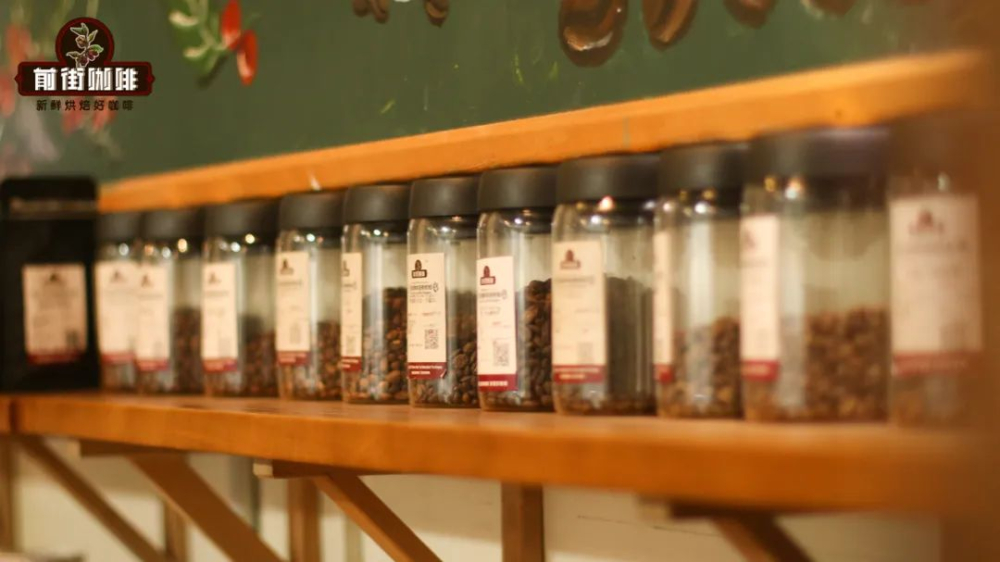
There are two common approaches to blending: pre-roast blending (mixing green beans) and post-roast blending (mixing roasted beans). Each method has its pros and cons and is suitable for different scenarios.
Pre-roast blending involves mixing different beans in predetermined proportions before roasting, then roasting them together in the same batch. This method is simple and fast, but because each bean varies in density and particle size, using the same roasting parameters can lead to uneven roasting. This inconsistency directly affects extraction performance later on, potentially causing some beans to be over-extracted or under-extracted, thus impacting the overall flavor balance.
In contrast, post-roast blending involves roasting each type of bean individually according to its characteristics, and only mixing them after all have been roasted. Although this method is more complicated, it ensures that each bean reaches its ideal roast level, avoiding issues caused by differences in density or size. This contributes to more consistent extraction and better flavor expression.
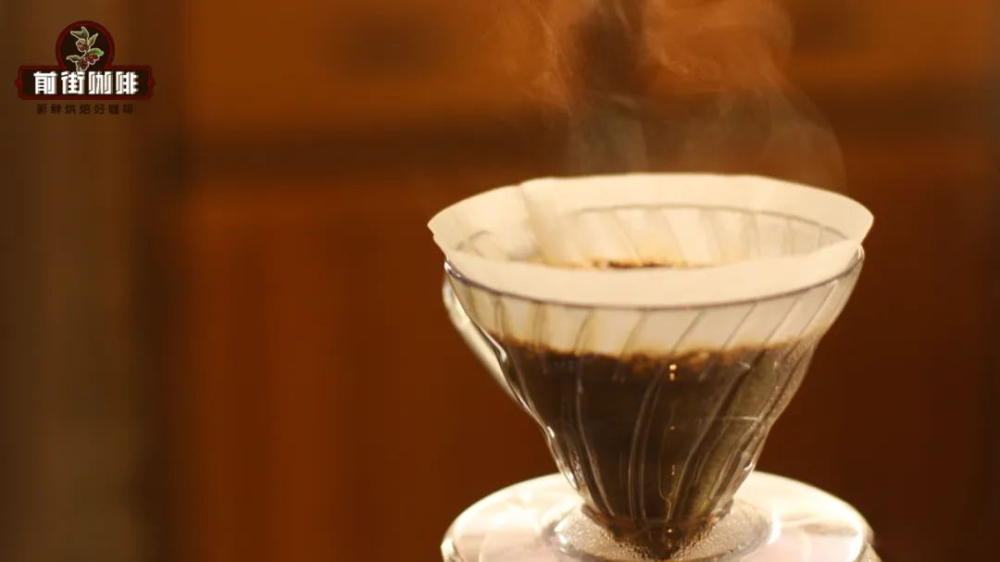
Regardless of whether you choose pre-roast or post-roast blending, the foremost prerequisite is that all beans must be roasted to a similar degree. Mixing dark and light roasted beans—even in similar proportions—can result in extreme outcomes under the same extraction conditions. For example, light roasted beans can fully express their flavors at high water temperatures, but dark roasted beans are prone to over-extraction, resulting in burnt, bitter notes. Conversely, in the high-pressure environment of espresso extraction, dark roasted beans may become over-extracted, while light roasted beans may be under-extracted due to insufficient pressure and time, leading to an imbalanced overall flavor.
Additionally, before blending, it’s essential to thoroughly understand the characteristics of each bean, including its flavor profile, acidity, body, and aftertaste. This information becomes a crucial basis for designing a blend recipe, helping to create a final product with harmonious and layered flavors.
In terms of blending strategy, the most basic idea is to select beans with complementary flavor characteristics, allowing their strengths to enhance one another. For example, you might combine Geisha, which has pronounced grape-like notes, with fruit-forward beans like 果丁丁 that emit a fresh green tea-like character. Together, they might produce a unique flavor reminiscent of grape oolong tea. However, it’s important to note that beans with particularly strong individual flavors (like Geisha) should be used in appropriately lower proportions to maintain overall flavor balance.
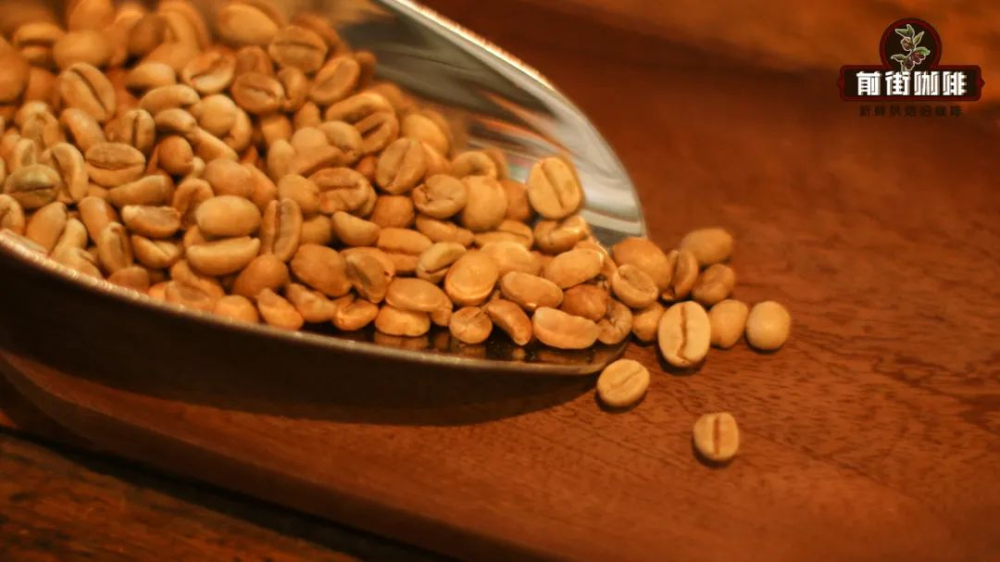
To further refine the blending process, you also need to consider the alignment of flavor, mouthfeel, and intended use. For instance, if you want a particular flavor (such as fruity or wine-like) to dominate, but also desire another bean to provide body and layered support, you’ll need to adjust the proportions so that the dominant bean makes up more than half, ensuring its flavor isn’t overshadowed.
Take the classic “Warm Sun Blend” as an example: it uses Honduran Sherry beans and Yirgacheffe Red Cherry beans, both roasted to a medium-dark level. The medium-dark roasted Sherry beans exhibit distinct whiskey-like aromas and creamy, nutty tones, but the mouthfeel is somewhat light. Meanwhile, the similarly medium-dark roasted Red Cherry beans retain subtle berry acidity and a richer body, which can complement the depth of the Sherry beans. When these two are blended in a ratio of 70% Sherry and 30% Red Cherry , the resulting blend offers a complex profile of whiskey, berries, and chocolate, with a full body—making it highly suitable for espresso preparation.
This ratio is designed to highlight the Sherry’s primary notes without overwhelming them, while the Red Cherry adds just the right amount of body and fruity acidity to achieve an excellent balance of flavor and mouthfeel.
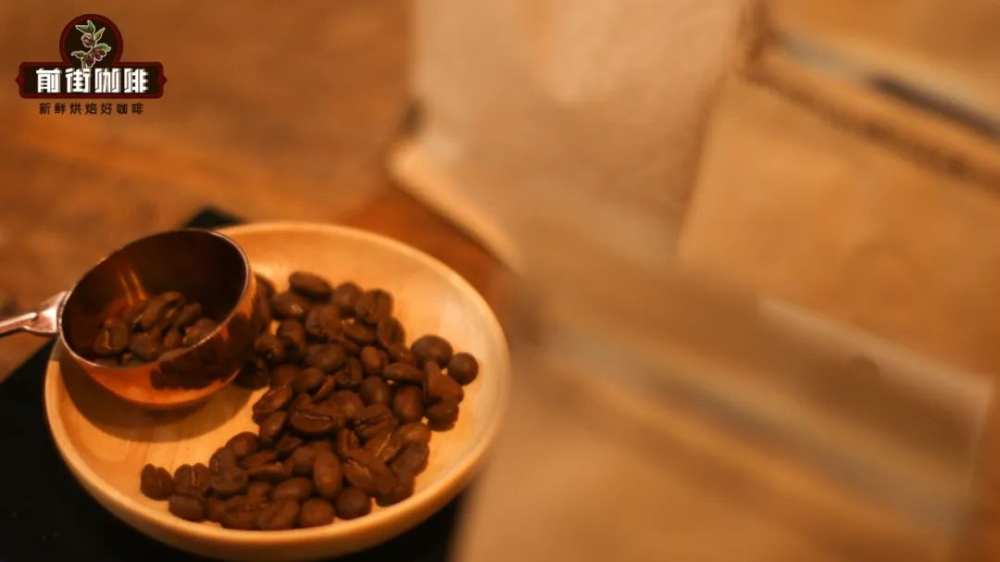
In summary, the essence of blending lies in understanding the individuality of each bean and achieving a synergistic effect between flavor and mouthfeel through scientifically proportioned blending and consistent roast control. Whether you’re a beginner coffee enthusiast or a barista looking to refine your blending skills, mastering these fundamental principles can help you create a richer, more distinctive coffee experience. Now, roll up your sleeves and try crafting your perfect blend combination.
The above content is compiled by CoffeeHunters, a coffee news website.


