







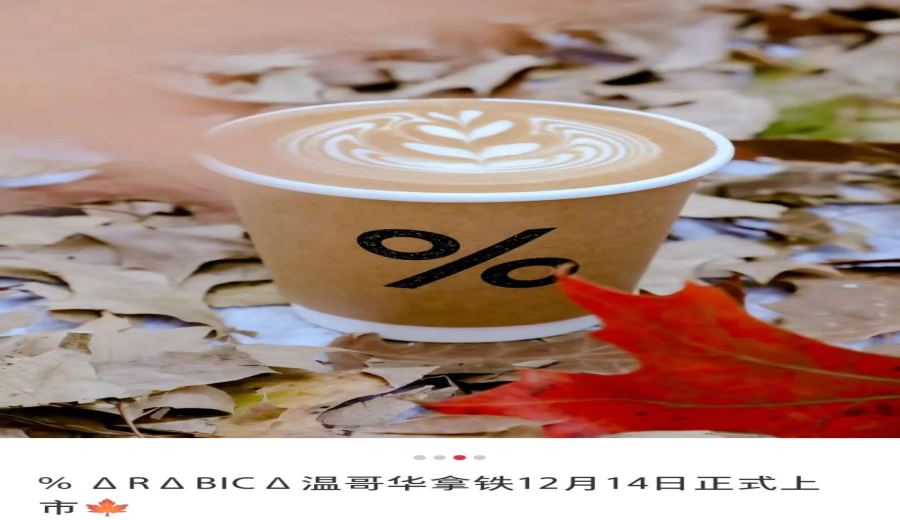
Introduction:The coffee brand %Arabica recently launched a winter-limited product named the "Vancouver Latte," featuring maple syrup and priced at 46 RMB per cup. Themed stores have also been opened in several cities. However, this latte named after Vancouver, Canada, is not actually sold there, sparking widespread discussion among overseas Chinese. This article delves into the drink’s recipe, the logic behind its naming, and explores online feedback along with the brand’s historical city-naming strategy.
Recently, the well-known coffee brand %Arabica announced the launch of a new winter-limited product — the "Vancouver Latte." Though named after Vancouver, Canada, this coffee is essentially a regular latte with the addition of the brand’s own maple syrup, which is claimed to be extracted from natural maple sap, giving the drink a uniquely sweet flavor. Each cup is priced at 46 RMB, in line with the brand’s consistent mid-to-high pricing strategy.
Similar to the brand’s previously released "Spanish Latte" and "Kyoto Latte," the "Vancouver Latte" is also named after a city and emphasizes atmospheric descriptions tied to the imagery of that place in its promotional copy — such as "streets where fallen leaves are left untouched" and the gentle ambiance of the maple leaf season. The brand has also set up themed stores in six cities across the country, where customers can complete designated interactive tasks to receive limited-edition fridge magnets, adding an engaging element to the consumer experience.
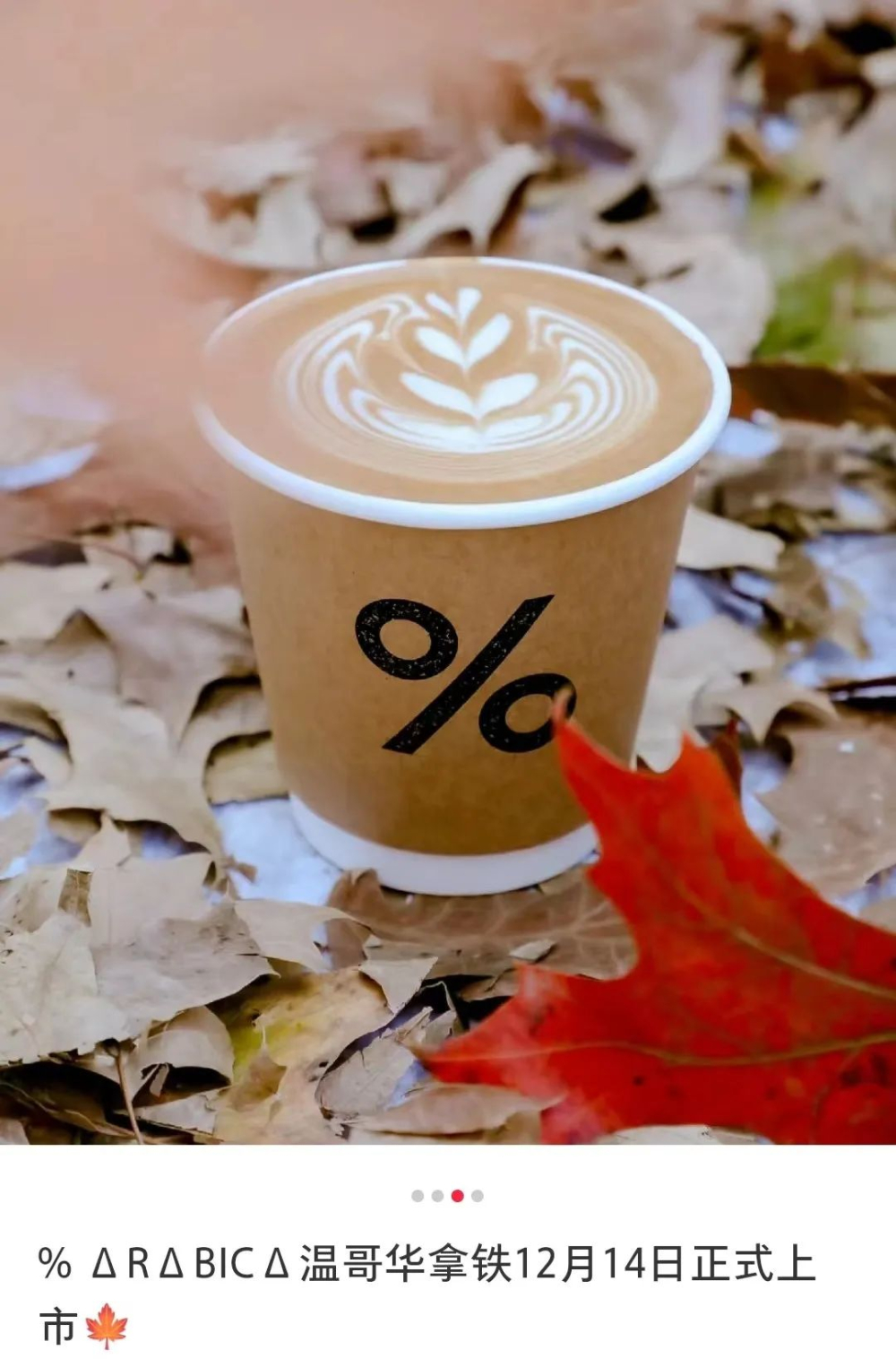
However, this drink named the "Vancouver Latte" has sparked considerable controversy in Canada. The main reason is that %Arabica has not yet opened any branches in Vancouver; its current presence in Canada is limited to just two stores in Toronto. As a result, although the latte is named after Vancouver, local residents who wish to try it must travel to other cities with %Arabica outlets, such as Toronto, to purchase it.
This move quickly ignited heated discussions online, especially among Chinese netizens in Vancouver, who left humorous comments on social platforms. Many said things like “Vancouver can’t even drink its own latte” or “Did you consider Vancouver’s feelings when naming this coffee?” Some even joked that this situation is like “Hainan not having Hainanese chicken rice, or Lanzhou not having Lanzhou beef noodles,” expressing their confusion and humorous criticism of the brand’s naming strategy.
In fact, if not specifically stated, many consumers initially thought %Arabica was about to open a store in Vancouver. But upon discovering that only a same-named drink was being launched, many turned to disappointment and skepticism. Some netizens bluntly stated: “There’s no Arabica in Vancouver, but the whole world can drink Arabica’s Vancouver Latte,” highlighting the gap between the brand’s localized marketing and the distribution of its physical locations.
In terms of ingredients, the "Vancouver Latte" does not include any elements particularly related to Vancouver’s local ingredients or culture — it is distinguished only by the addition of sweet-tasting maple syrup. Consumers who have tried it report that the drink is essentially just a regular hot latte with added maple syrup. “It just tastes sweeter — there’s absolutely no so-called ‘Vancouver flavor’ to it.”
Looking back at %Arabica’s past product strategies, the brand often names drinks after cities or regions, such as the "Spanish Latte" and "Kyoto Latte." Yet these drinks also do not directly use local specialty ingredients, instead creating associations with the place names through the brand’s subjective imagery and the addition of specific flavorings (such as maple syrup). Therefore, the "Vancouver Latte" can also be seen as part of this marketing approach.
In response to the naming controversy, some netizens have suggested that if the focus is on the maple element, perhaps naming it the "Canada Latte" would be more appropriate, since the maple leaf is a national symbol of Canada. However, the brand’s choice to name it after Vancouver may be intended to highlight the city’s image as Canada’s most representative destination for maple leaf season tourism, even though the actual connection still feels somewhat vague.
Overall, while the "Vancouver Latte" itself is not inherently flawed, its naming and marketing strategy have sparked extensive discussion within the overseas Chinese community, prompting consumers to re-examine the relationship between the brand’s product naming and its regional market layout. For coffee enthusiasts, aside from tasting the flavor, it also offers a chance to observe how the brand uses cultural imagery to communicate with consumers.
The above content is compiled by CoffeeHunters, a coffee news website.


