







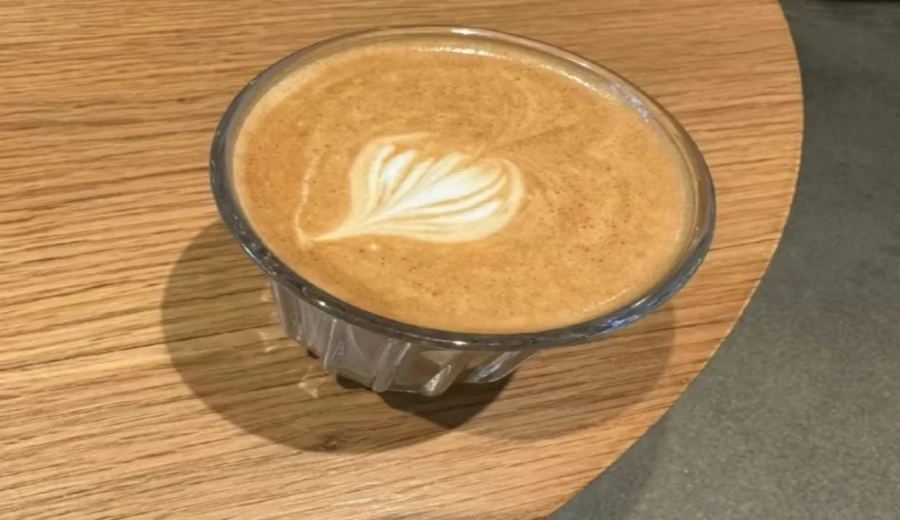
Introduction:When you take a sip of coffee only to find its flavor underwhelming, should you bring it up with the barista? This article delves into the reasonable boundaries of customer requests for remakes, examines common coffee quality issues (such as uneven extraction or overly coarse milk foam), and explains from a professional perspective how both shops and consumers can communicate effectively. Through real-life case studies, it helps readers protect their own rights while also understanding the principles behind baristas' handling procedures.
Picking up a cup of coffee that cost you quite a bit, only to take your first sip and find its flavor far below expectations — this is something every coffee lover may encounter. Faced with a drink that is weak in taste, overly bitter, or has a noticeable off-flavor, many consumers hesitate about whether to ask the barista for a remake. This seemingly simple decision actually involves balancing service standards, professional communication, and consumer rights.
There was a case where a customer bought a latte at a well-known chain coffee shop and found that the drink had a lot of large bubbles floating on the surface, the temperature was too high upon drinking, and the milk foam layer had almost disappeared. Despite immediate feedback, the staff responded with excuses like “it’s because it’s been sitting out” or “this is just how lattes are supposed to be.” It’s worth noting that,there are indeed technical limitations to making instant adjustments to espresso,but the quality of milk foam can definitely be improved by frothing it again. In the end, it was only because the customer had some basic coffee knowledge that they were able to successfully get a replacement that met the standard.
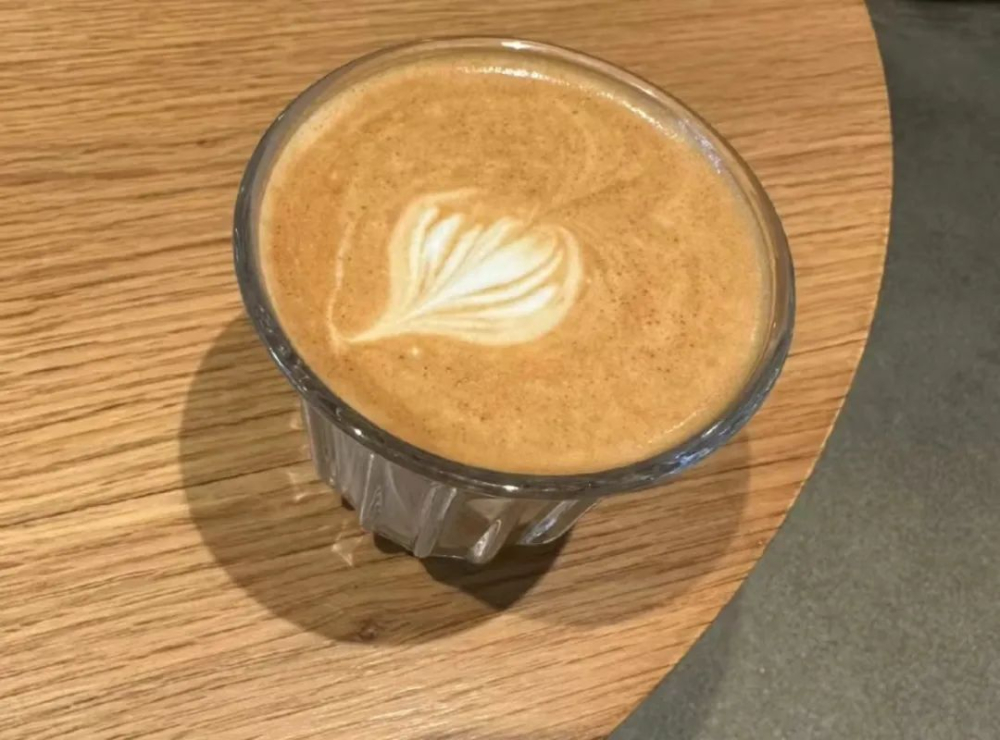
The key to deciding whether to request a remake lies in the type of specific flavor defect. Commonly acceptable issues include: extreme bitterness caused by obvious over-extraction (it is recommended to check the grind size and extraction time), abnormal milk foam structure (ideally, it should appear fine and glossy and remain stable without layering for 30 seconds), or excessively high temperature affecting flavor expression (the optimal drinking temperature range is 55–65°C). In contrast, differences in personal taste preferences (such as preferring dark roast but ordering a light roast) usually do not fall within the scope of a remake.
From a professional standpoint, when handling complaints, baristas need to balance efficiency and quality control. Shops that emphasize consistency in their output point out thatan ideal latte should maintain a golden ratio of coffee to milk between 1:3 and 1:5,and the milk foam should have a thickness of 0.5–1 cm. When a customer raises a concern, it’s recommended to first identify the specific issue (for example, “Are you referring to the milk foam being too rough, or is the overall sweetness lacking?”), and then determine the feasibility of making adjustments based on equipment parameters (such as grinder settings or extraction pressure).

In practice, you can follow a three-step communication principle: first, objectively describe the observed phenomenon (for instance, “The crema on this coffee has an unnatural grayish-brown color”), then explain the specific sensations that affect the experience (such as “the aftertaste has a noticeable burnt bitterness”), and finally, express a reasonable expectation (for example, “Could you help check the extraction parameters?”). Avoid using subjective judgments like “tastes bad,” and instead focus on quantifiable flavor characteristics.
It’s worth noting that some technical issues require on-the-spot, immediate handling. For example, if channeling is detected during extraction (manifested as uneven flow rate and color variation in the channels), the barista should immediately stop the process and re-grind the coffee; but if the issue stems from individual tolerance differences (such as being sensitive to acidity yet choosing an Ethiopian coffee variety), it is recommended to adjust the flavor profile of the coffee bean variety in subsequent orders.
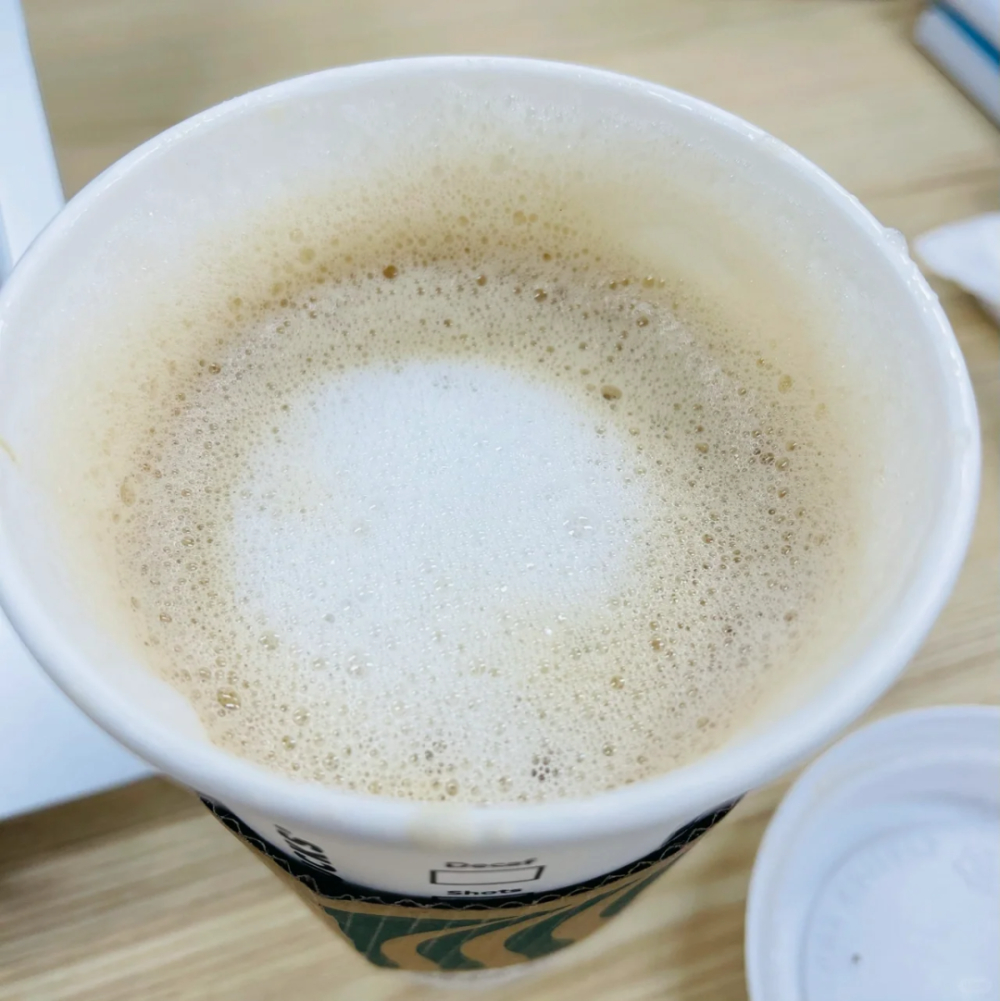
In summary, the reasonable boundary for requesting a remake is: the issue must stem from a flaw in the production process rather than personal preference, and the shop must have the ability to correct it on the spot. Consumers can assist in their judgment by observing basic parameters (such as the color of the crema or the stretchability of the milk foam), while baristas should establish a transparent communication process, turning every complaint into an opportunity to improve service quality.
The above content is compiled by CoffeeHunters, a coffee news website.


