








Introduction:From the precise water control in pour over brewing to the high-pressure extraction of espresso machines, different brewing methods directly determine the complexity and layering of a cup of coffee. This article deeply dissects the five major mainstream extraction techniques—drip, immersion, pressure, siphon, and decoction—covering their principles, flavor profiles, equipment choices, and practical tips. It helps readers find the most suitable brewing method based on bean characteristics and taste preferences, and also includes pour over parameter suggestions and common issue reminders.
The soul of coffee flavor often lies in the details of the brewing method. From the common pour over at home to the espresso in professional cafés, different techniques control variables such as water temperature, pressure, and time to fully express the acidity, sweetness, and body of the coffee beans. The following will detail five classic brewing systems, helping you understand how they shape unique taste experiences.
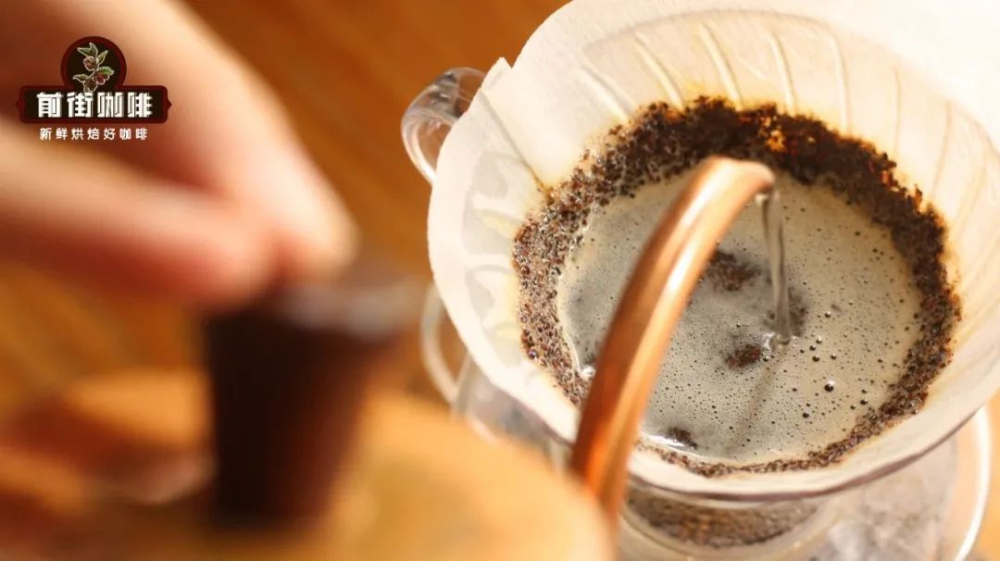
Drip Method: A Clean and Refreshing Choice for Single Origins
This technique involves manually or mechanically pouring hot water (or cold water) continuously under normal atmospheric pressure, allowing the water to slowly penetrate the coffee grounds and gradually extract aromatic compounds, which then drip into the lower vessel. Thanks to the excellent filtration effect of paper or metal filters, the final coffee liquid contains minimal impurities and has a clean taste, making it particularly suitable for highlighting the fruity and floral notes of light to medium roasted beans. It is worth noting that the coffee-to-water ratio is recommended to be controlled between 1:15 and 1:18, with water temperature around 88-94°C. Too high can bring out bitterness and astringency, while too low may result in a weak flavor. In addition to standard pour over, this principle is also applied in cold drip coffee, American drip coffee machines, and drip bag brewing.
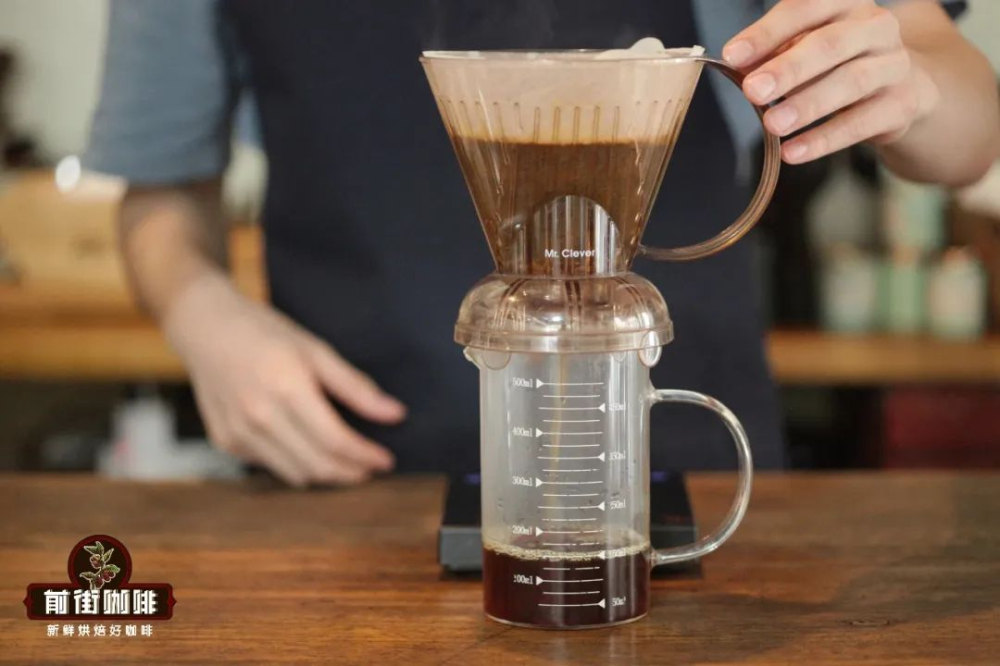
Immersion Method: A Low-Intervention Technique for Uniform and Full-Bodied Coffee
This method involves mixing coffee grounds with a large amount of water and letting them steep for a specific period, relying on natural diffusion to complete the extraction. Compared to the drip method, human intervention is significantly reduced, allowing the original flavors of the beans to be better preserved, making it the standard procedure for coffee cupping. This approach results in noticeably enhanced body, with a rounded mouthfeel and balanced layers, making it ideal for those who prefer a fuller-bodied cup. Common tools include the clever dripper, French press, AeroPress, and even some advanced pour over techniques incorporate the concept of immersion. The recommended steeping time is between 3-5 minutes (adjust according to specific equipment).
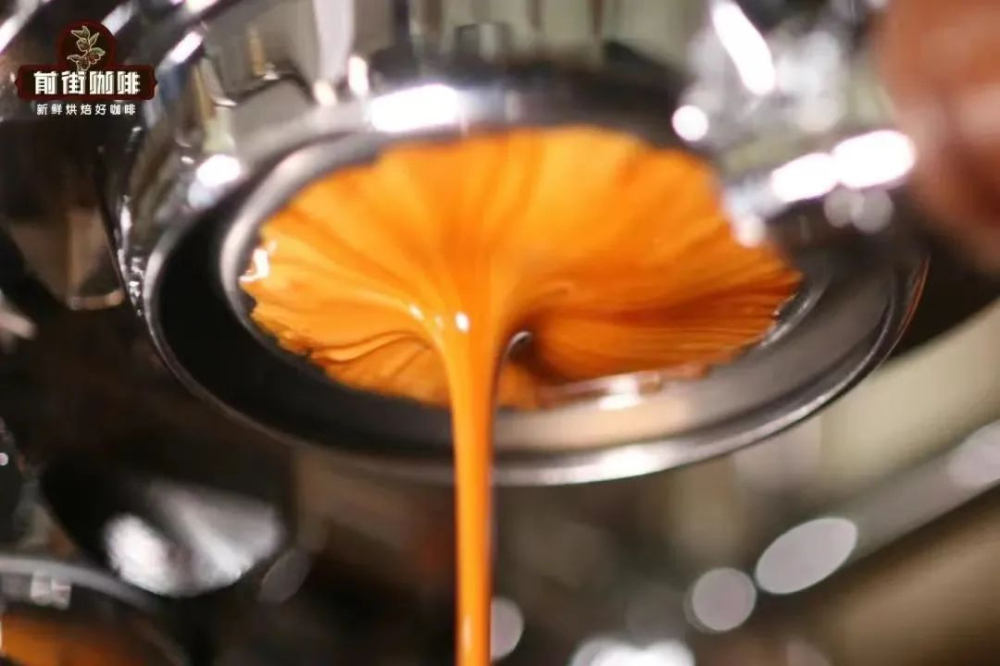
Pressure Method: Intense Extraction for Rich Crema
By applying 9-10 atmospheres of pressure mechanically, hot water is forced through finely ground coffee, causing flavor compounds and carbon dioxide to be released simultaneously. The golden foam formed by the mixture of carbon dioxide and coffee oils (commonly known as crema) not only adds visual appeal but also enhances the texture and richness of the coffee. This technique is highly efficient, completing extraction in just 25-30 seconds, making it suitable for producing concentrated espresso bases, which can then be used to create a variety of drinks such as lattes and cappuccinos. The main equipment includes the moka pot and espresso machines. It is important to note that the grind size must be very fine (close to the texture of flour), and proper preheating is essential to avoid temperature fluctuations.
Siphon Method: A Theatrical Combination of Immersion and Filtration
The siphon brewer uses the steam pressure generated by heating the lower chamber to push hot water up into the upper chamber where it mixes with the coffee grounds. After the heat is turned off, changes in air pressure cause the coffee liquid to flow back down. This process combines the thorough extraction of immersion with the clarity of filtration, resulting in a full-bodied yet clean-tasting cup. The device itself also has strong visual appeal, resembling a science experiment. Precise control of flame intensity and timing is required during operation (usually turn off the heat immediately after boiling, with a total duration of about 1 minute). It is recommended to use a medium-fine grind and a coffee-to-water ratio of 1:12-1:15 to balance flavor intensity and flow rate.
Decoction Method: A Retro Revival of Traditional Flavors
The most primitive brewing method involves directly boiling coarsely ground coffee (similar in size to coarse sugar) in water, then filtering out the grounds after sufficient boiling. Although less common in the modern market, this method extracts all compounds from the beans, including some typically considered impurities, resulting in an intense flavor with a unique smoky character. Turkish coffee and traditional Ethiopian copper pots fall into this category. It is important to stir evenly during the boiling process and avoid over-boiling, which can lead to burnt or bitter flavors. This method is suitable for adventurous coffee drinkers seeking strong, distinctive flavors.
No matter which brewing method you choose, understanding its core principles and variable controls will allow you to more confidently explore the infinite possibilities of the coffee world.
The above content is compiled by CoffeeHunters, a coffee news website.


