








Introduction:Nordic roasting and Italian roasting are not just differences in roast levels—they represent a collision of two distinct coffee cultural philosophies. Understanding their evolutionary journeys, roasting techniques, and flavor profiles can help you choose coffee beans that better suit your taste preferences, while also enhancing your brewing and tasting experiences. This article delves into the core differences between the two, taking you on a comprehensive exploration from history and craftsmanship to flavor.
At first glance, the difference between Nordic and Italian roasting may seem to be merely about roast depth, but it actually reflects a profound development trajectory of coffee culture. In the early days, the dark roasting style represented by Italy long dominated the market, with many consumers even believing that “coffee is supposed to be bitter.” However, the Nordic region, having been exposed to coffee relatively late, was not bound by this “bitterness-first” mindset. Instead, it gave rise to a light roasting style that emphasizes acidity and complexity.

In the past, when we talked about dark roasting, we would think of Italian or French styles—classic profiles originating from Southern and Western Europe. These styles not only represented specific roast levels but were also closely tied to the cultural habits of those regions. In contrast, the Nordic countries—including Norway, Denmark, Sweden, and others—started their coffee culture later, but this also gave them a more open and innovative perspective. While the mainstream market at the time believed that the darker the roast, the better, the Nordic region carved out a radically different path.
Early Nordic roasting, while already significantly lighter than traditional Italian dark roasts, still fell within what we now call medium roast, rather than the extremely light roast familiar to us today. However, to coffee professionals in other regions at the time, such a roasting style was already considered quite “rebellious”—with pronounced acidity, sharp flavors, and hints of herbal and floral notes. Many even thought the beans weren’t roasted enough.

As a result, Nordic roasters didn’t like to describe their work using terms like “light roast” or “very light roast,” as these often evoked negative associations such as underdevelopment, sourness, and grassy flavors. They preferred terms like “the Nordic approach (Nordic Approach),” “Scandinavian style,” or “Nordic style (Nordic style),” which better conveyed their philosophy and craftsmanship.
Initially, Nordic roasting methods also followed a similar “high heat, fast roast” model seen in Europe and America: rapidly increasing the temperature near first crack, then cutting the heat and relying on residual heat to finish the roast. While this approach was simple and quick, its drawbacks were also evident—it often produced scorched and smoky off-flavors, with less precise flavor control.
With the rise of the specialty coffee movement, roasters at some renowned coffee shops in Norway began adjusting their techniques. Rather than adhering to a one-size-fits-all process for either dark or light roasts, they developed a more refined roasting strategy tailored to the characteristics of light roasting: keeping the air vent fully open when dropping the beans, maintaining a relatively high but stable heat level, and gradually reducing the heat as the roast progressed to bring out the coffee’s potential flavors in a more delicate way.
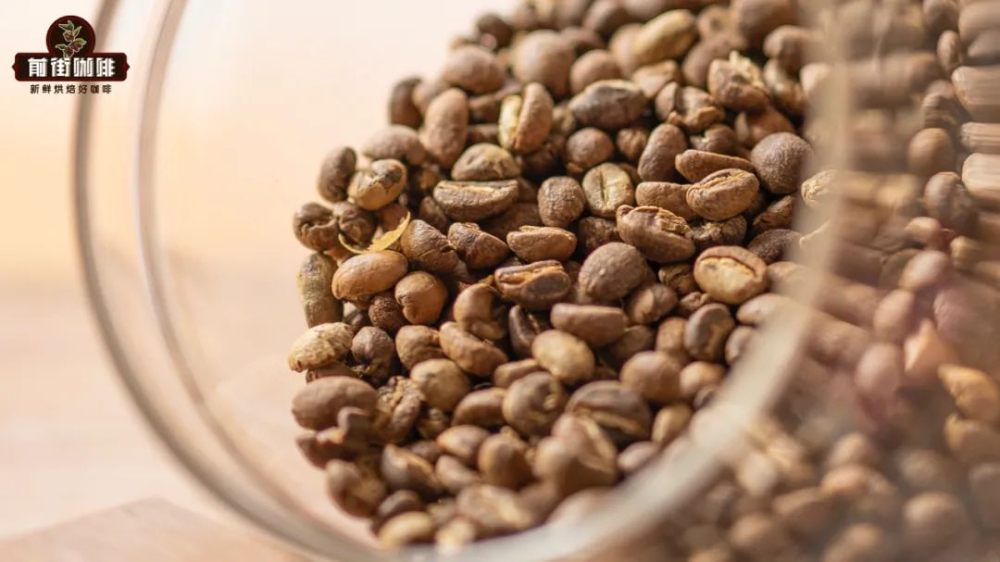
According to coffee expert Han Huai-Zong in the book 《新版.咖啡學》 (New Edition: The Coffee Studies), truly high-quality Nordic light roast coffee, while exhibiting noticeable acidity upon entry, does not deliver a sharp or jarring sourness. Instead, the acidity quickly transitions into a rich explosion of floral and fruity aromas, with a well-defined layered structure. The sides of the tongue may even perceive a distinct sweetness, as if sipping on a “fruit bomb.” This performance is entirely different from the dry, astringent, and overly sour impression often associated with very light roasts, leading more people to reevaluate the value of light roasting.
This breakthrough in flavor has gradually shifted the global coffee market’s roasting trends. The era of dark roasting dominance, where “bitterness reigned supreme,” began to wane, making way for a light roasting culture that emphasizes bright acidity, clear flavors, and delicate textures. Meanwhile, the term “Nordic roasting” is no longer just the preference of a single country but has become a globally recognized roasting philosophy and style symbol in the specialty coffee community.
The above content is compiled by CoffeeHunters, a coffee news website.


