







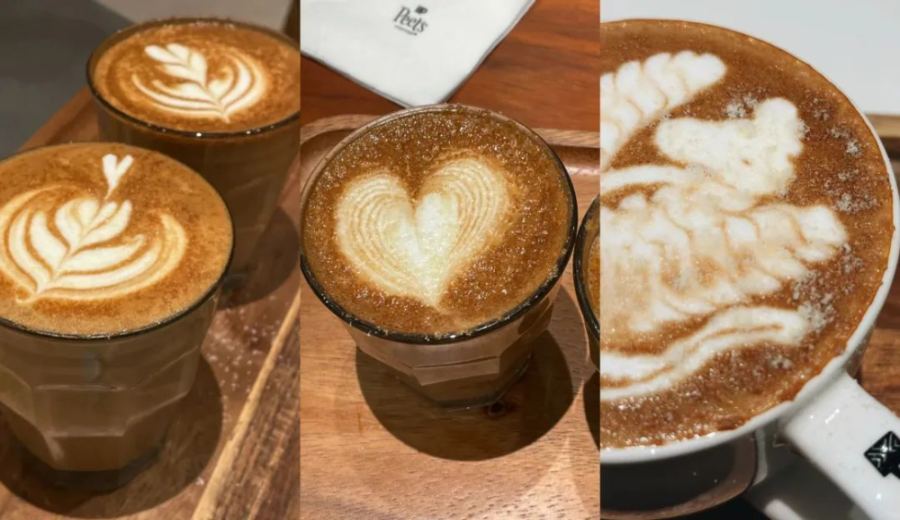
Introduction:Recently, many consumers have been sharing photos on social media platforms of latte art from Peet’s Coffee’s cheese molecular series that has lost its foam, sparking widespread discussion. Is it due to poor barista skills, or is there another reason? After an in-depth investigation, the issue lies with the cheese powder sprinkled on the surface. This article will analyze the design principles behind this popular coffee, explain how the cheese powder affects the milk foam structure, and provide practical suggestions for improving latte art presentation, helping readers better understand the balance between coffee flavor and craftsmanship.
Lately, many netizens have been sharing photos on social media of the cheese molecular flat white or latte they purchased from Peet’s Coffee. While the latte art designs vary, they all share one common trait: the surface is covered with tiny, dense bubbles, and the patterns appear blurred, as if the milk foam has dissipated. This visual effect has sparked curiosity—why does what looks like professional latte art end up with such a “rough” appearance?
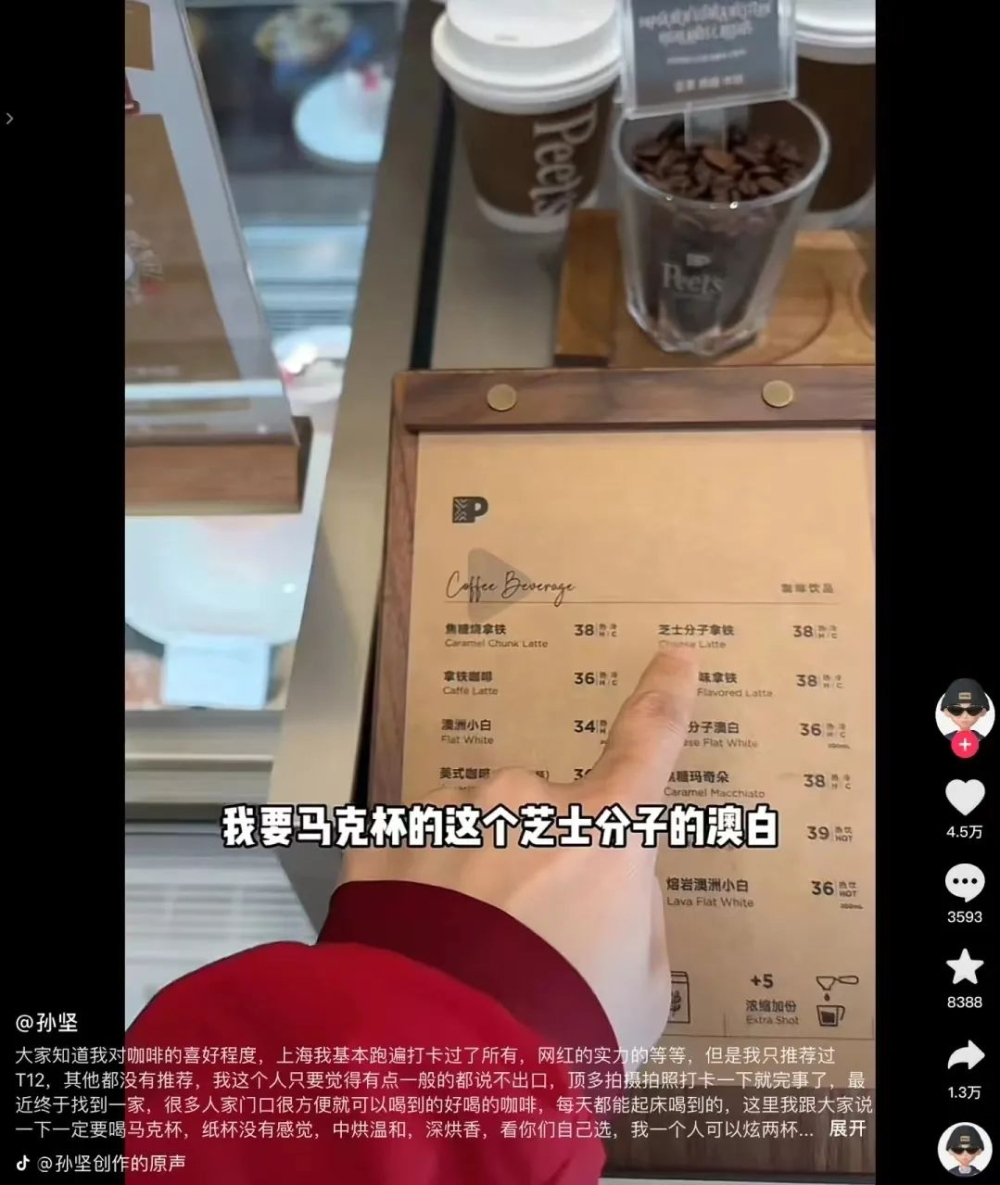
In fact, this “cheese molecular” series is not new—it was launched as early as February this year. However, it recently gained popularity when actor Sun Jian shared his drinking experience on his personal platform, specifically recommending enjoying it in a mug for dine-in. He pointed out that the coffee offers two different roast levels and emphasized that dining in is the best way to experience its full flavor, further driving customers to visit the stores.
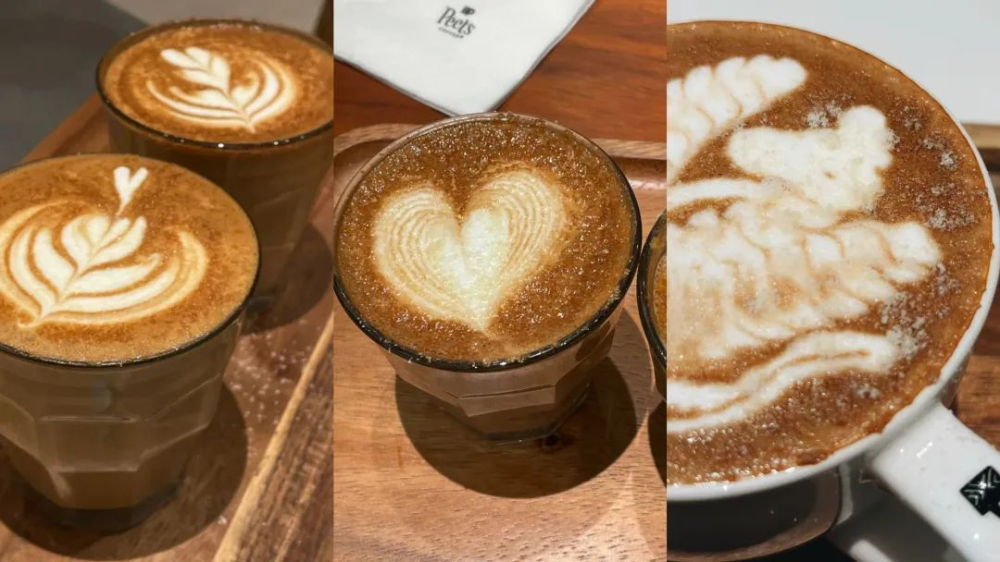
As more customers followed the recommendation to use mugs, this coffee quickly became a hot topic. However, many of the photos showed latte art that was not as aesthetically pleasing as expected. Unlike coffees that typically feature smooth and delicate milk foam, these photos showed coffee with dents on the surface, covered in tiny bubbles, and the originally clear latte art patterns became blurred—some even looked as if covered with a layer of “mosaic,” significantly detracting from the visual appeal.
Netizens have speculated on the reasons—some believe it’s due to baristas not being skilled enough in steaming milk, resulting in loose latte art; others suspect the milk temperature is too high or the consistency is off, while some even guess the drink was left sitting too long, causing the foam to collapse. However, none of these theories explain why only this specific drink shows such obvious foam loss.
It wasn’t until Peet’s baristas stepped forward to clarify that the truth came to light: the problem lies in the cheese powder sprinkled on the surface of the coffee. According to official information, the cheese molecular series adds cheese emulsion to the beverage base and sprinkles a layer of fine cheese powder on top to enhance the rich cheese aroma.
The issue is with this layer of cheese powder. If it’s an iced drink, the powder naturally mixes during stirring and is less noticeable; but for hot drinks, especially the “cheese molecular flat white” or latte recommended by Sun Jian, customers usually don’t stir and instead drink it as is to preserve the latte art. Even if the barista steams the milk perfectly and has excellent latte art skills, when a large amount of cheese powder is sprinkled onto the milk foam surface, these tiny particles compress the delicate foam structure, causing the bubbles to burst and the foam to collapse, ultimately resulting in an uneven surface covered with tiny bubbles.
For consumers accustomed to admiring beautiful latte art, this outcome can indeed be disappointing, with many netizens calling it an “anti-aesthetic” design. However, from the brand’s perspective, this formulation aims to enhance the flavor profile, though it may have overlooked the physical interaction between the milk foam and added ingredients.
If you want to enjoy stable milk foam and beautiful latte art at home, it’s recommended to use freshly steamed milk, control the foam thickness to about 3–5 cm, and complete the latte art shortly after pouring. If you wish to add extra flavoring powder on the surface, consider lightly sprinkling it after completing the latte art, or opt for soluble flavoring ingredients to minimize the impact on the milk foam structure.
The above content is compiled by CoffeeHunters, a coffee news website.


