








Introduction:When Starbucks becomes a resting spot for delivery riders, it sparks dissatisfaction among some customers — even leading to demands for their removal under the pretext of “air pollution.” Should non-paying customers be allowed to use in-store seating? How can Starbucks’ “third place” philosophy align with customer expectations? This article delves into the heated public debate over the use of shared spaces.
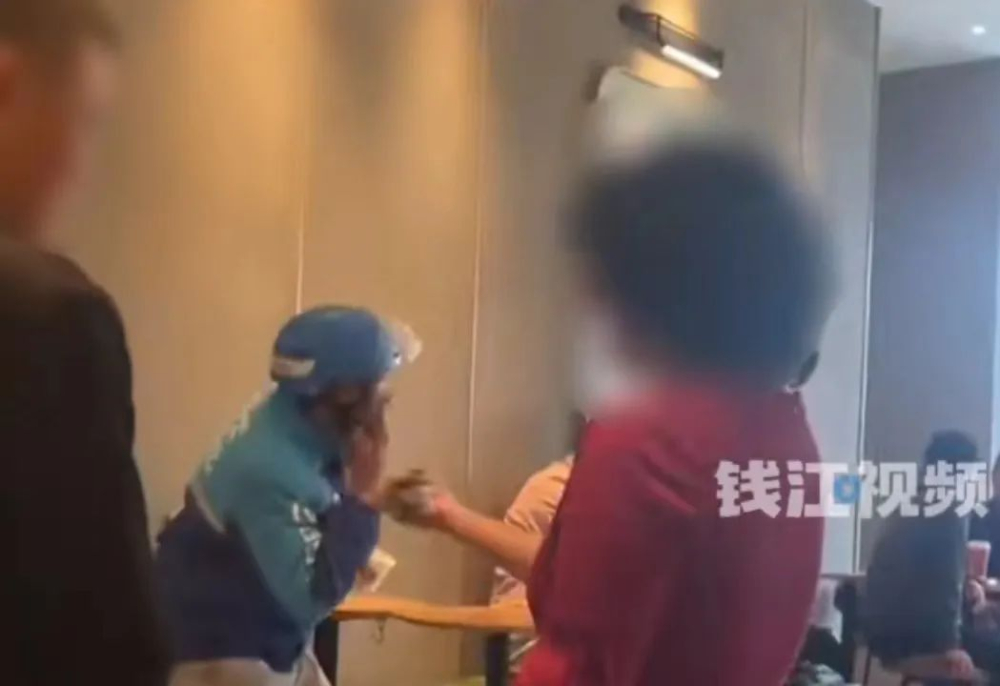
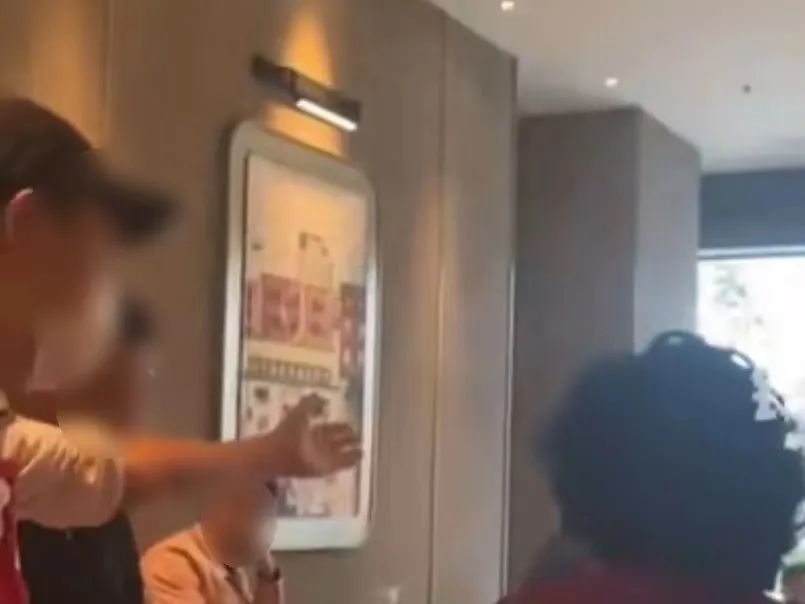
How would you feel if you were enjoying a cup of coffee at Starbucks and a non-paying delivery rider sat nearby? Recently, a Starbucks outlet in Chengdu sparked online controversy after an incident in which a customer demanded that a delivery rider be ejected. A female customer, unhappy with the rider resting in the store, claimed they were “polluting the air” and asked staff to remove them — only to be asked to leave the store by Starbucks employees instead.
According to eyewitnesses, the delivery rider had only briefly stopped to rest and did not disturb other customers. However, the woman felt her dining experience was disrupted and insisted the rider be removed. More controversially, she publicly stated that “delivery riders will never be on the same level as me,” a remark that quickly ignited widespread online discussion.
As the incident gained traction, many netizens expressed disapproval of the woman’s words and actions. Many pointed out that delivery riders, like customers, are also laborers in society and should not be treated as belonging to a lower class. Others suggested that if customers have high standards for the public environment, they should communicate with the business to seek compromise, rather than demanding the removal of others. Suggestions included limiting delivery riders during certain hours but compensating for potential impacts on store revenue and the rights of other customers.
However, the incident also raises a more fundamental question: should non-paying individuals have the right to sit in Starbucks? Supporters argue that Starbucks seating is primarily intended for paying customers. Long-term occupancy not only takes up limited space but also indirectly consumes resources spent on cleaning and service, affecting the experience of those who actually make purchases. One netizen questioned: “If one day Starbucks is filled with delivery riders and non-paying customers, would you still want to come in and buy coffee?”
On the other hand, if a delivery rider behaves politely, quietly rests, and does not visibly disturb others, should they still be harshly judged? Many comments pointed out that the resting needs of delivery riders should be understood — especially in the fast-paced urban lifestyle where such public spaces often serve as brief havens for respite. Some netizens also suggested that if businesses wish to maintain higher service standards, they could consider setting up dedicated pickup zones for deliveries to minimize potential disturbances to in-store customers.
Notably, Starbucks has long upheld the concept of the “third place” as a core brand philosophy, striving to create a social and relaxing environment beyond home and the office. It is understood that Starbucks’ internal employee handbook explicitly states that non-paying customers — including those using the restroom or sitting briefly — should not be ejected without just cause. Therefore, in this case, the behavior of the delivery rider did not violate Starbucks’ basic guidelines.
In reality, however, different customers have varying expectations for their dining environments. Some hope for a quiet, undisturbed coffee experience, while others are comfortable with a public space shared by diverse groups of people. Balancing the needs of the majority of customers while respecting the rights of different users remains a long-term challenge for chain coffee brands like Starbucks.
Looking back at the entire incident, if the delivery rider was simply quietly resting in a corner without causing any real disturbance, was such a harsh response truly necessary? In urban life, the right to use public spaces and associated etiquette still require mutual negotiation and understanding. What appears to be a simple in-store dispute actually reflects deeper societal issues around interaction and the sharing of shared spaces.
The above content is compiled by CoffeeHunters, a coffee news website.


