








Introduction:Do you find that your homemade latte never quite matches the taste of those from coffee shops? The key might not lie in your equipment, but rather in whether the coffee beans and milk you’ve chosen are well-matched. This article will delve into how to select the right coffee beans for a latte (from roast level to flavor profile), tips on choosing milk, as well as details on extracting espresso at home and crafting the perfect milk foam — helping you adjust your latte to suit your personal taste.
Many coffee enthusiasts struggle to recreate the smooth, rich taste of café lattes at home. You might assume it’s because your machine isn’t professional enough or your equipment isn’t high-end, but in reality, the issue often lies in the mismatch between the coffee beans and milk you’ve chosen. Mastering just a few core elements can allow you to brew an amazing latte even with standard home equipment.

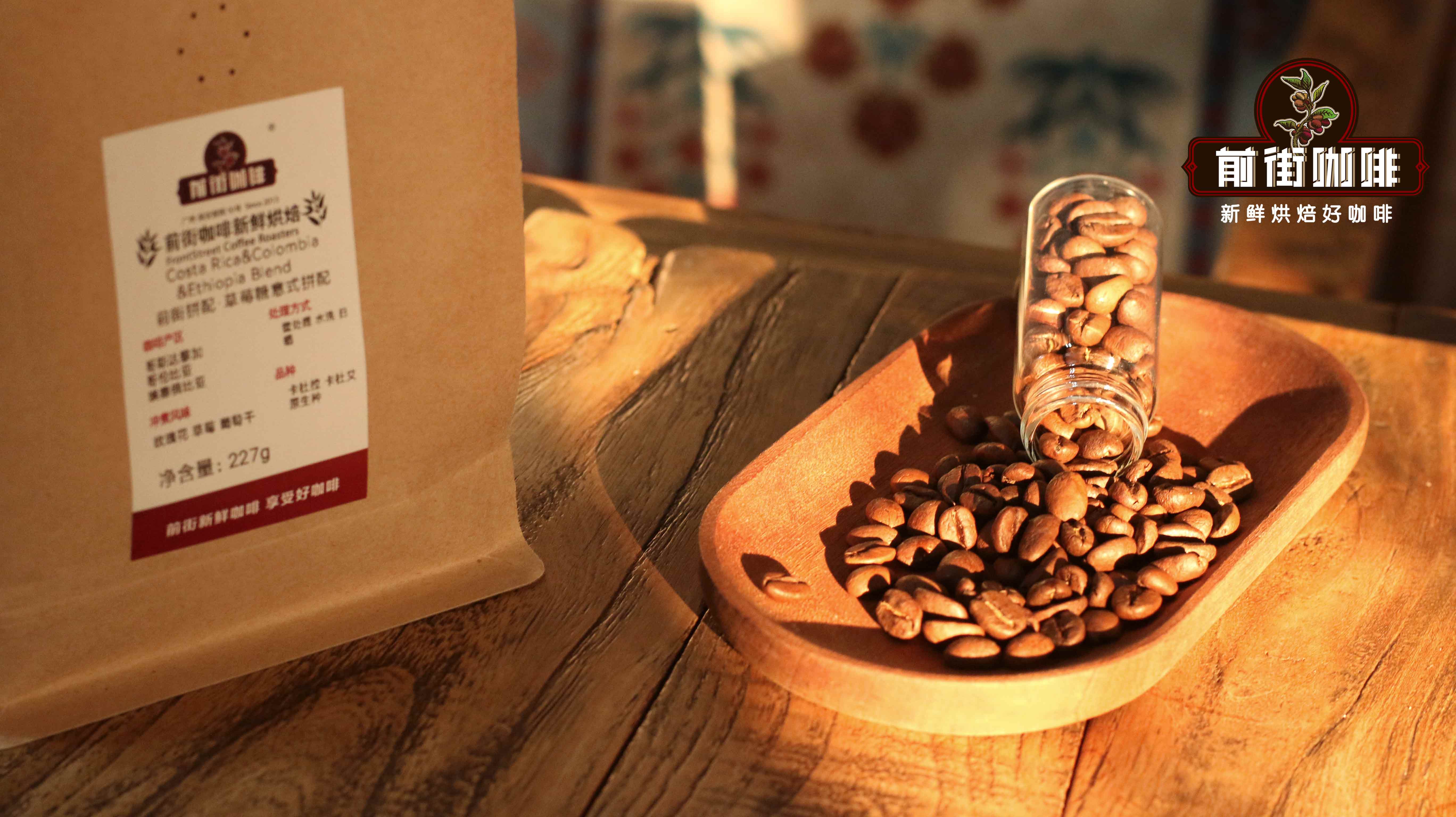
First, let’s talk about the most crucial element: choosing the right coffee beans. Since lattes contain a large amount of milk, the coffee beans used are usually medium to dark roasted. This ensures that, even when enveloped by milk, the coffee still retains enough flavor complexity and body. Coffee beans roasted to this level emit a distinct caramel sweetness after extraction, along with a rich crema and full-bodied mouthfeel, allowing them to blend perfectly with milk rather than being completely overpowered by it.
When it comes to roast level, it’s recommended to go with medium to dark roasts. This way, the resulting espresso will not only have sufficient sweetness but also bring out an appropriate level of bitterness to balance the milk’s richness. Additionally, beans from different brands and regions will vary in flavor profile — some leaning toward nutty and chocolatey notes, while others showcase intense caramel or dark chocolate tones. You can choose based on your personal preference.

Next is the choice of milk. Though it may seem simple, milk has a significant impact on the overall flavor of a latte. The intensity of the milk’s aroma and its level of sweetness can directly alter the final taste of the drink. For example, if you choose a fresh milk with a particularly rich and thick milkiness and pair it with espresso made from dark-roasted beans, the resulting latte will be very full-bodied and layered. But if you use a medium to dark roast instead, the milk flavor might overpower the coffee, making the whole drink taste more like “coffee-flavored milk” and losing balance.
On the other hand, if you opt for fresh milk with a lighter milk aroma but higher sweetness, paired with a medium to dark roast, the latte will taste refreshing with a natural sweetness — ideal for those who prefer a cleaner mouthfeel. However, using this type of milk with a dark roast might result in a flavor that’s too thin or even watery, affecting the overall enjoyment. Therefore, matching milk with coffee beans is definitely a small but important art that requires hands-on experimentation.
As for the coffee machine, which many people worry about — there’s no need to stress too much. No matter the price of your machine, as long as you control the basic extraction parameters properly — such as keeping the coffee-to-water ratio at 1:2 and the extraction time between 25 to 35 seconds — you can usually achieve a decent-quality espresso base. The key is stable operation, avoiding issues like channeling or uneven pressure. That way, even an affordable home machine can consistently produce espresso close to café quality.
Another detail that shouldn’t be overlooked is the milk foam. While making latte art or achieving ultra-fine foam isn’t always necessary at home, the texture of the milk foam does affect the drinking experience. If you have certain texture preferences, it’s recommended to create a fine and velvety foam that blends smoothly with the coffee. However, if you’re just looking to quickly enjoy a pleasant latte, simply heat the milk to around 65±2°C and pour it directly into the espresso while stirring — you’ll still get a satisfying drink with minimal effort.
Finally, there’s the ratio of espresso to milk. In cafés, a common ratio is 1:5 — that is, 40 ml of espresso to 200 ml of milk — but this isn’t a fixed standard. Everyone has different preferences for coffee strength, so you can experiment to adjust the ratio to your liking. For instance, those who prefer a milk-forward taste might go for 1:6, while those who want the coffee flavor to stand out may adjust it to 1:4. With a few tries, you’ll soon discover your own perfect “ideal latte.”
In summary, the key to brewing a delicious latte at home lies in selecting the right coffee beans, choosing the appropriate milk, and maintaining stable extraction along with a ratio that suits your taste. You don’t need expensive equipment — just master these essentials, and you can easily enjoy your own personalized coffee moment.
The above content is compiled by CoffeeHunters, a coffee news website.


