








Introduction:Want to understand how professional cupping evaluates the value of a cup of coffee? The SCAA cupping system scores coffee based on eleven rigorous criteria, with 80 points being the key threshold for entering the specialty coffee category. This article provides an in-depth analysis of each dimension of the SCAA scoring system — from dry and wet aromas to defect deduction mechanisms — helping you understand how professional cuppers use scientific methods to quantify coffee quality, and grasp the flavor characteristics of different score ranges.
Coffee cupping originally began as a basic inspection procedure used by traders to assess green bean quality. With the rise of specialty coffee culture, this method gradually evolved into a systematic scoring standard. Currently, the most globally recognized evaluation system is the cupping protocol established by the Specialty Coffee Association of America (SCAA), which assesses coffee performance across eleven key dimensions. A score of 80 or above is classified as specialty coffee.
The SCAA cupping system includes eleven core scoring items: dry/wet aroma, flavor, aftertaste, acidity, sweetness, body, uniformity, balance, cleanliness, overall rating, and defect deductions. To ensure objectivity, five cups of each coffee sample are prepared for testing, and the average is taken across multiple cups to reduce error. Except for defect deductions, the scoring range for each item is set between 6 and 10, with adjustments made in minimum increments of 0.25, offering a total of 16 fine-grained scoring levels.

In the aroma evaluation phase, dry aroma refers to the scent released by ground coffee in the air, while wet aroma refers to the volatile compounds produced during the brewing process after water is added. When scoring, it's necessary to observe the intensity of the aroma (vertical markers), the quality of the texture (horizontal markers), and specific aromatic characteristics (middle horizontal line). These details often indicate the potential for subsequent flavor development.
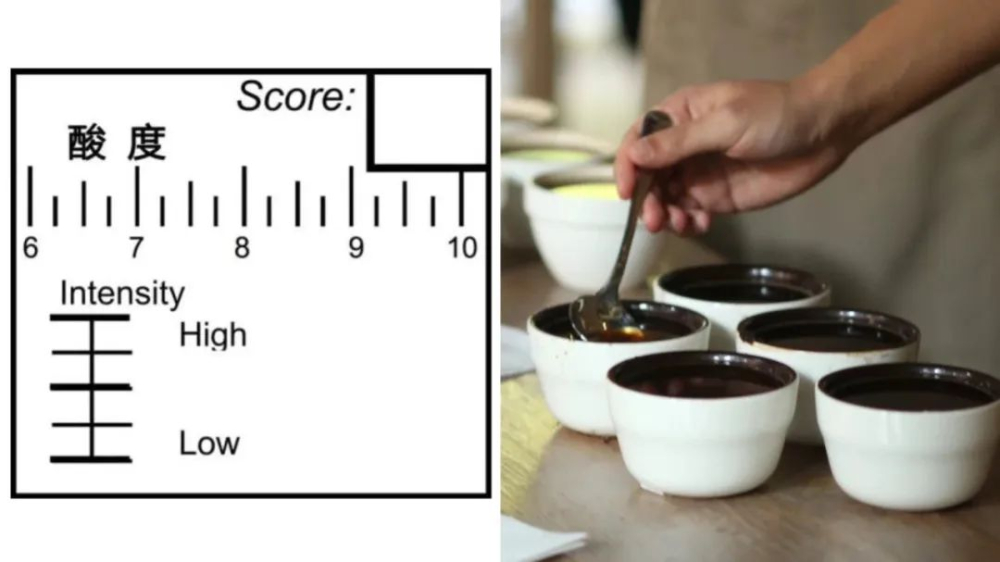
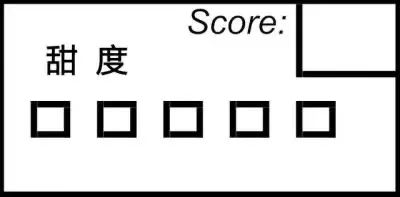
Acidity performance is a key element that distinguishes the layers of a coffee’s profile. High-quality acidity presents a round and bright character, giving the beverage a lively mouthfeel; conversely, sharp and unpleasant acidity can significantly impact the overall score. Sweetness is uniquely scored using a five-box system, with a maximum of 2 points per cup, totaling 10 points. It requires a comprehensive consideration of the intensity of sweetness presented under the balance of acidity and bitterness. The flavor item directly reflects the specific taste characteristics exhibited by the coffee, ranging from fruity and floral notes to chocolatey tones, all of which are within the scope of evaluation.
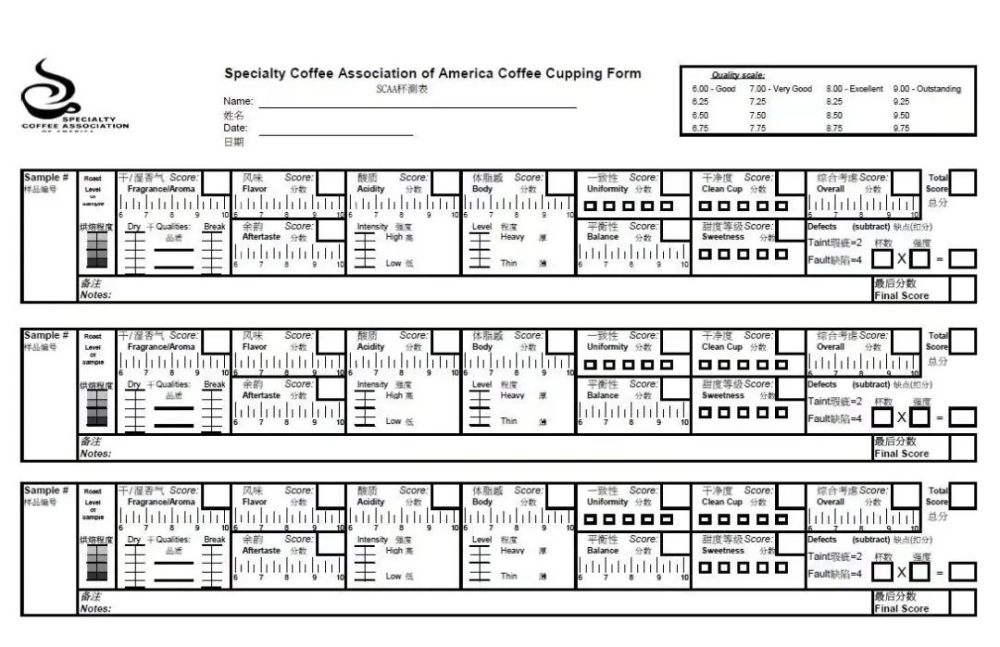
Body describes the textural sensation formed by coffee in the mouth, often defined with words such as thick, smooth, or thin. When scoring, attention should be paid to the sense of weight and viscosity when the liquid contacts the tongue surface (refer to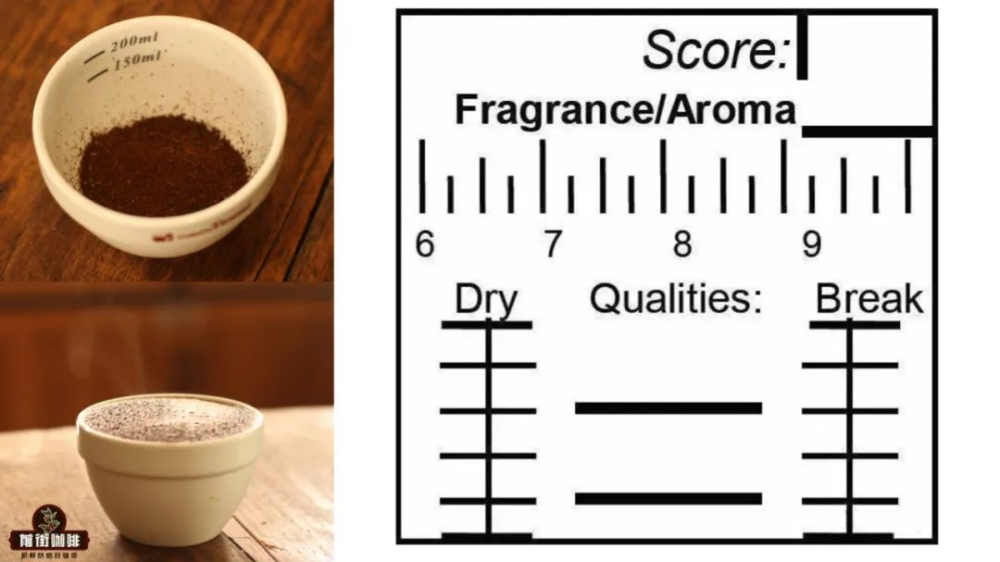 the accompanying illustration). Aftertaste evaluation focuses on the duration and texture of the aroma that lingers after swallowing. A good performance should demonstrate a lasting and positive flavor continuation, while short or absent aftertaste will noticeably affect the score.
Cleanliness requires the beverage to be free of off-flavors or foreign body sensations throughout, using the same five-box scoring method as sweetness. Balance emphasizes the harmony of various flavor elements, with excessive prominence of a single characteristic leading to point deductions. Uniformity examines the performance differences among the five cups, with a maximum of 2 points per cup, totaling 10 points, ensuring batch consistency. Overall rating is a subjective item reflecting the cupper’s overall impression of the coffee’s performance.
The defect deduction mechanism is the only scoring reduction item. Based on the severity of defects, it is divided into two categories: common defects deduct 2 points per cup, and major defects deduct 4 points per cup. The calculation formula is the number of defective cups multiplied by the corresponding value — for example, three cups with minor defects would result in a deduction of 6 points. This strict standard ensures the final score truly reflects the coffee’s quality, calculated as the total of the first ten items minus the defect deductions.
According to SCAA standards, the final score ranges are clearly defined: below 80 points is considered commercial-grade coffee, 80–84.99 points are categorized as Very good (good), 85–89.99 points reach Excellent (excellent) level, and 90–100 points are elevated to Outstanding (outstanding) top-tier quality. Understanding this scoring system not only helps in selecting high-quality coffee beans but also allows for a deeper appreciation of the subtle differences in flavors from different regions.
During the professional cupping process, the judgment of defect deductions shown is particularly critical. Evaluators need to keenly identify issues such as weak aroma, off-odors, or negative flavors. Through this systematic scoring mechanism, consumers can quickly grasp the basic quality outline of coffee based on the score and further explore their own flavor preferences.
The above content is compiled by CoffeeHunters, a coffee news website.


