







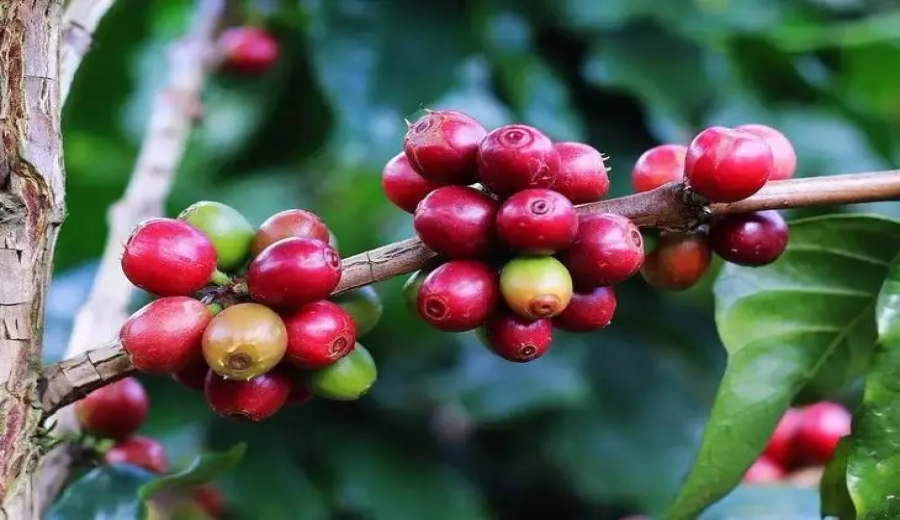
Introduction:Indonesian coffee, nurtured by its unique geographical environment, boasts distinctive variety profiles. From highlands to volcanic zones, each producing region has its representative cultivation choices. This article delves into the commonly grown coffee varieties in Indonesia, including the widely cultivated S795 (locally known as Jember). It analyzes its origin, evolution, adaptability, and flavor profile, while also exploring the characteristics of key regions such as Bali and Sulawesi. Readers will learn how different varieties are influenced by local climate and soil, and gain insights into selecting and appreciating Indonesian coffee.
With its distinct regional characteristics and rich flavor layers, Indonesian coffee holds a unique place in the global specialty coffee market. However, compared to mainstream producing regions in Central and South America or Africa, the coffee variety mix in Indonesia is distinctive, closely tied to local climate conditions, altitude distribution, and historical introduction backgrounds. Understanding the background of these varieties not only helps coffee enthusiasts select their preferred flavors more precisely but also allows for a deeper appreciation of the story behind each bean.
Among the many Indonesian coffee varieties, S795 is undoubtedly one of the most representative. Locally, it is often called Jember. It was first introduced from India around the 1970s and gradually took root in volcanic regions such as Bali and Sulawesi. This variety can grow stably across varying altitudes and microclimates, and is relatively easy to manage, requiring minimal compost and fertilizer, making it a popular choice for many small and medium-sized farms.
S795 is highly adaptable and can maintain a certain level of yield and quality under different altitude conditions, though its flavor profile is not as complex as some high-altitude specialty beans. Generally, it exhibits soft maple and caramel aromas, accompanied by moderate sweetness, but with lower acidity, resulting in an overall rounded and mellow mouthfeel. These flavor traits make it an ideal choice for everyday drinking or for those who prefer a smoother coffee taste.
Tracing back the breeding history of S795, it was developed through hybrid selection between the Kent variety and S288, with S288 itself being a hybrid descendant of Arabica and Liberica. Due to this unique lineage, S795 not only possesses some traditional Arabica characteristics but also carries a hint of the sturdiness and body typical of the Liberica variety, which explains its muted acidity yet rich mouthfeel.
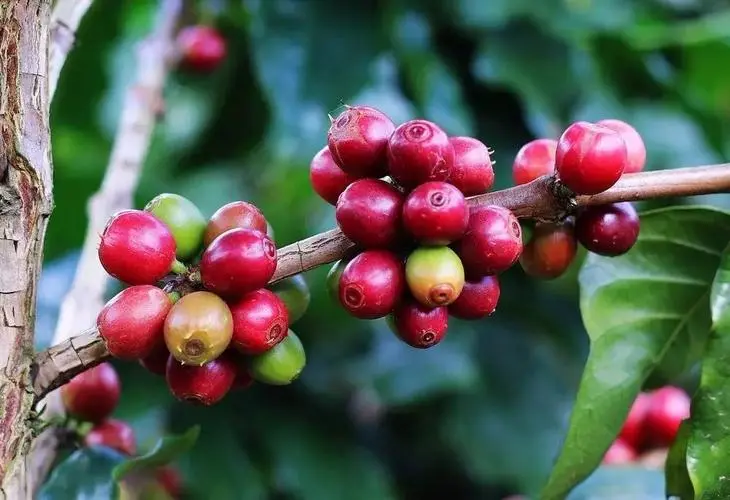
In addition to S795, other major producing regions in Indonesia, such as Bali and Sulawesi, have also developed variety selections suited to their local environments. For example, in some parts of Bali, thanks to fertile volcanic soil and moderate humidity, in addition to S795, some traditional Typica and Bourbon variants have been trialed. These varieties can exhibit brighter acidity and fruity floral notes at higher altitudes. Sulawesi, with its slightly more humid climate, emphasizes disease resistance and stable yield in variety selection, so S795 remains dominant, though a few farms have introduced other moisture-resistant varieties to add flavor diversity.
Overall, the selection of coffee varieties in Indonesia reflects the adaptive wisdom of local farmers and their pragmatic response to market demands. The introduction and spread of each variety are influenced by the interplay of climate, soil, and historical factors. For enthusiasts looking to deeply explore or collect Indonesian coffee, understanding the evolution and characteristics of these varieties can help in selecting coffee that matches personal taste preferences. It also enables adjustments in grind size and water temperature based on variety traits during brewing, further enhancing flavor performance.
Whether you’re a beginner just starting out or an experienced coffee connoisseur, getting to know the main varieties of Indonesian coffee is the first step in exploring this fascinating producing region. From the classic S795 to the niche varieties unique to each area, every bean carries distinctive terroir memories, waiting for you to savor.
The above content is compiled by CoffeeHunters, a coffee news website.


