







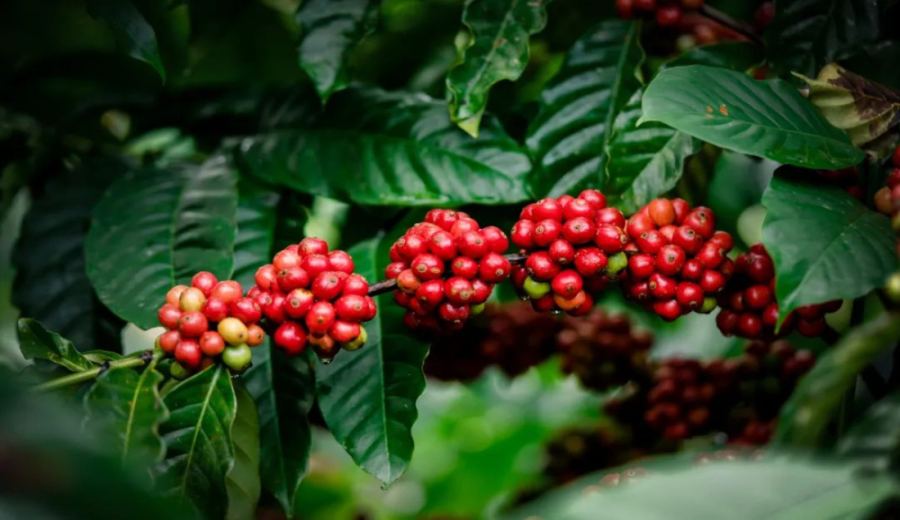
Introduction:Climate change poses severe challenges to Arabica coffee, while Robusta, with its hardy nature, is quietly making a comeback. This article delves into how Robusta has evolved from a commercial bean into a rising star of specialty coffee, exploring its global production regions, quality grading standards, and ideal brewing methods. With this essential knowledge, you'll discover that Robusta not only offers affordability but also unique flavors worth exploring.
Global warming is putting unprecedented pressure on coffee cultivation, especially on the environmentally sensitive Arabica variety. Meanwhile, Robusta—once considered the "commoner's bean"—is gradually reshaping the industry landscape with its remarkable adaptability. Traditional producing regions such as Vietnam, Brazil, and Indonesia continue to expand cultivation, and even emerging areas like Nicaragua are beginning production, signaling growing market recognition of this variety’s potential.
Currently, Robusta accounts for approximately30% to 40%of the global coffee supply, with Vietnam standing out as the top producer—where95% of its coffee is Robusta. Although Brazil is renowned for Arabica, its Robusta output has also been steadily increasing in recent years. Notably, these regions are mostly located at low altitudes, which perfectly suits Robusta’s heat-resistant characteristics.
For a long time, Robusta has been categorized as an inferior bean due to its stronger flavor profile, but this perception is changing. As climate change intensifies, its advantages in disease resistance and heat tolerance are becoming increasingly evident.Research predicts that by 2050, the cultivable land area in major coffee-producing regions will shrink significantly, with temperature-sensitive Arabica varieties being the most affected. In this context, Robusta’s stability makes it a crucial fallback option for producers.
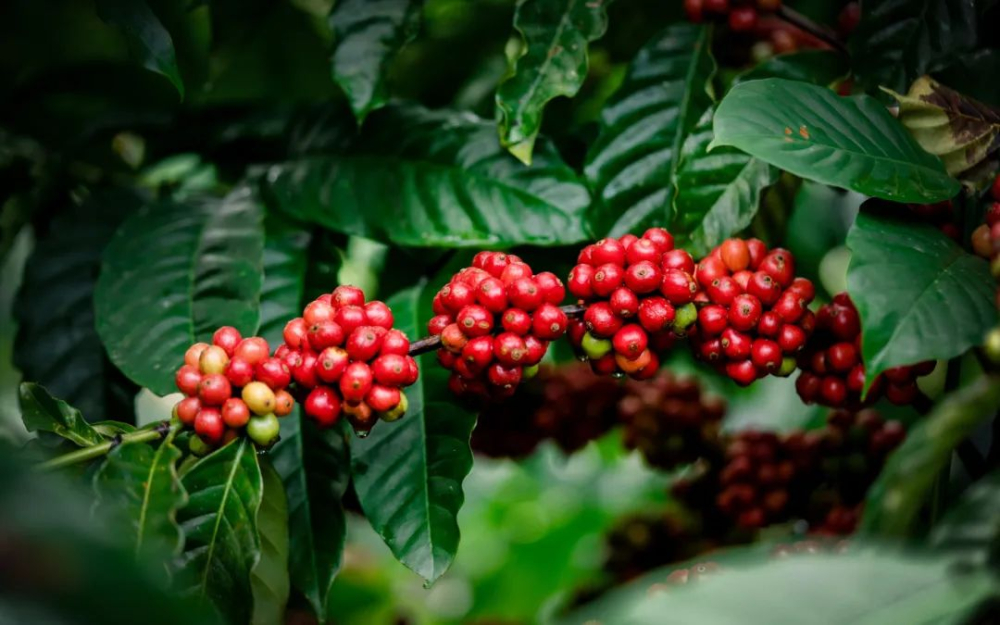
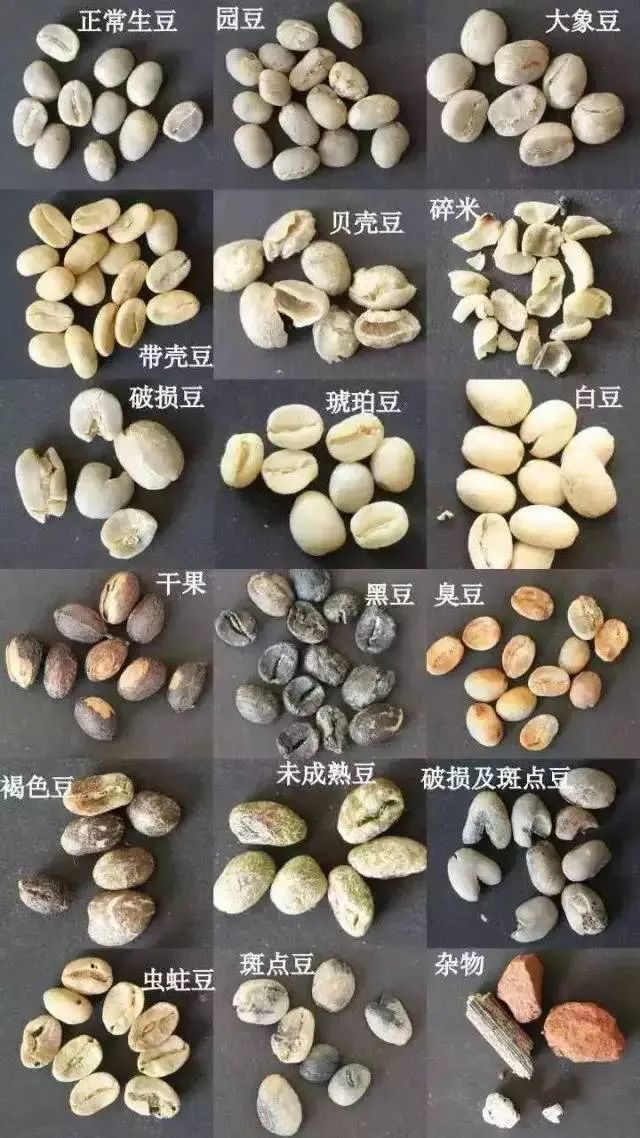
The industry has begun distinguishing between two types of Robusta: commercial-grade, which prioritizes yield, and specialty-grade, which focuses on quality. The latter must meet “Fine Robusta” standards—strictly limiting the percentage of defective beans,with zero tolerance for primary defects (e.g., moldy beans) and no more than 5 secondary defects (e.g., broken beans) per 300 grams. This standard helps elevate Robusta’s market position, allowing consumers to experience a more balanced flavor profile.
Nicaragua offers an inspiring case study. A decade ago, the country had almost no Robusta cultivation, but with recent technological introductions,the 2022/23 season yielded about 120,000 bags (each 60 kg). Local agricultural experts note that Robusta demonstrates strong adaptability to the region’s varied climate and soil conditions, making it a viable option for smallholder farmers transitioning their crops.
For brewing enthusiasts, Robusta’s bold taste is particularly well-suited for espresso or French press. It is recommended to usewater at 92–94°C, with a grind slightly coarser than that used for espresso, to reduce the risk of over-extraction. To explore the potential of specialty Robusta, look for batches from Vietnam’s Central Highlands or Indonesia’s Sumatra highlands, where producers have begun adopting specialty coffee processing methods.
While the climate crisis brings uncertainty to the coffee industry, it also fosters innovation. The rise of Robusta is not only an outcome of industry adaptation but may also offer consumers more diverse, high-quality choices. By understanding its characteristics and grading standards, you can uncover the unique appeal of this “underrated variety.”
The above content is compiled by CoffeeHunters, a coffee news website.


