







Introduction:Although Sri Lanka is renowned for its Ceylon tea, the country also has a long history of coffee cultivation, along with natural advantages such as high altitudes and diverse microclimates. This article delves into how the nation has gradually expanded its coffee planting area to 5,263 hectares and fostered local coffee festivals and industry associations through policy promotion, international collaboration, and quality improvement. Readers will learn about its revitalization strategies, challenges faced, and future potential in the specialty coffee market, uncovering the new face of coffee in this Indian Ocean island nation.
When mentioning Sri Lanka, most people first think of the world-famous Ceylon tea. However, this island nation in the Indian Ocean actually has a deep-rooted coffee cultivation heritage and unique geographical conditions. In recent years, with government policy guidance and support from international organizations, Sri Lanka’s coffee industry is steadily recovering. Its planting area has gradually increased from 4,690 hectares at the beginning of this century, with a clear target set to reach 5,263 hectares by 2025.
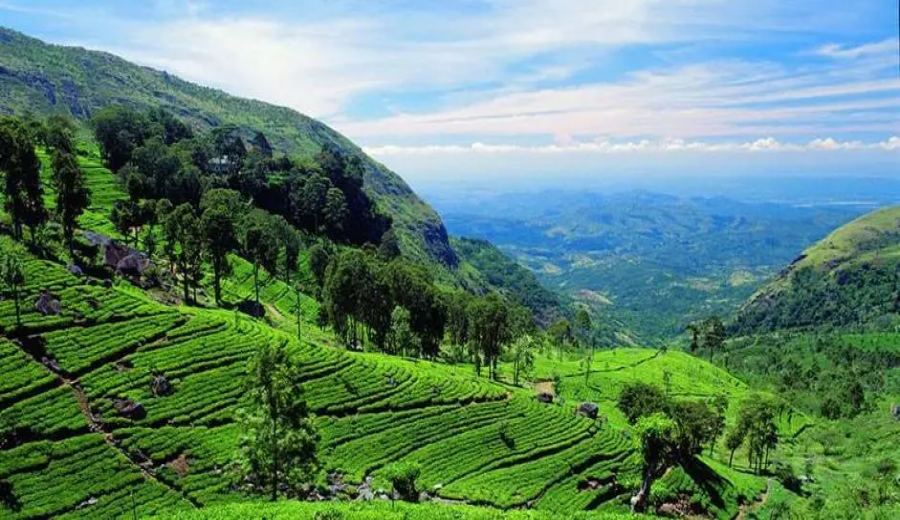
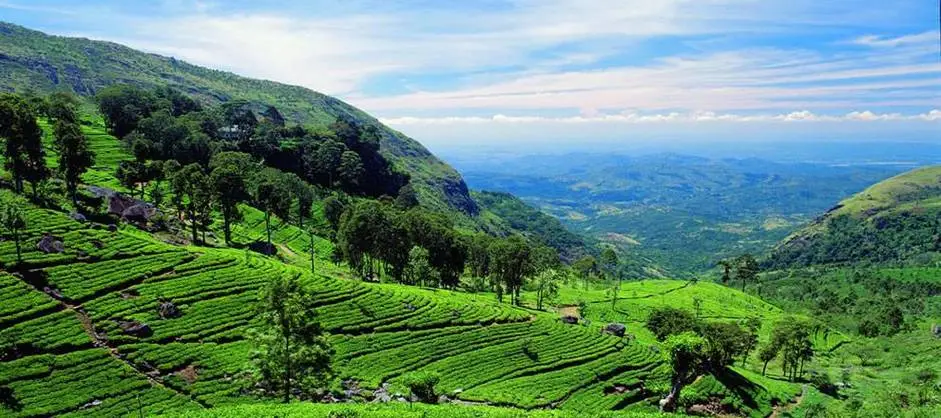
Sri Lanka’s natural environment is exceptionally well-suited for coffee growing, with its mountainous terrain and warm, humid climate, particularly favorable for Arabica coffee. The high-altitude regions of the central highlands are ideal for producing coffee beans with rich and layered flavors. Decades ago, the country once had a thriving coffee industry, but it gradually became marginalized due to the rapid development of tea cultivation.
Although Sri Lanka’s current coffee production and export scale are still in their early stages, growth trends are gradually emerging. Especially against the backdrop of rising global demand for specialty coffee, the country is determined to return to the international coffee stage, focusing on quality optimization and market expansion. Currently, around 80% of local coffee beans come from smallholder farmers, so there is still considerable room for improvement in cultivation techniques, post-harvest processing, and quality control.
< >
The Market Development Facility (MDF) has been actively involved in Sri Lanka’s coffee industry since 2017. Funded by the Australian Department of Foreign Affairs and Trade, the MDF is part of a multi-country sustainable development initiative aimed at promoting economic growth in the Pacific region, including Sri Lanka. With the assistance of the MDF, the local coffee industry has received systematic support, including the expansion of planting areas, technical training, and market linkages.
According to MDF analysis, Sri Lanka’s coffee production has the potential to double within the next five years. Meanwhile, the Lanka Coffee Association (LCA) was officially established in 2021 and has held two national coffee festivals in 2022 and 2023, further uniting industry efforts and raising domestic and international awareness of Sri Lankan coffee.
To accelerate industry revitalization, the MDF has specifically developed a four-pronged core strategy covering comprehensive upgrades from production to talent. The first is expanding coffee farm sizes by converting some idle or abandoned tea plantations into coffee cultivation, effectively utilizing existing agricultural infrastructure. The second is expanding the smallholder farmer cooperation network, strengthening information sharing and resource integration among farmers to improve overall production efficiency and quality consistency.
The third focus is enhancing coffee processing capabilities by introducing modern equipment and technologies to implement stricter post-harvest processes and quality controls, ensuring that the flavor performance of coffee beans meets international standards. Lastly, there is a systematic development of barista training programs to equip professionals with the skills needed to showcase the unique flavors of Sri Lankan coffee in international competitions, thereby further boosting its global visibility.
Despite remaining challenges, the Sri Lankan government remains optimistic about the future of its coffee industry. With the support of policies, international collaboration, and the gradual improvement of the industrial chain, more high-quality coffee products from this tea kingdom are expected to enter the global specialty coffee market in the future, offering consumers a unique taste experience.
This article aims to take readers on an in-depth journey through the transformation of Sri Lanka’s coffee industry, analyzing its revival path comprehensively—from historical background and geographical advantages to policy support and market strategies—and looking ahead to its future positioning in the global coffee landscape.
The above content is compiled by CoffeeHunters, a coffee news website.


