








Introduction:Have you ever been served your drink in a disposable takeout cup at a café and wondered why? What reasons lead many shops to prefer takeout cups over dine-in ones? From the customer’s perspective, some value hygiene and convenience, while others simply prefer the portability of takeout cups. For businesses, considerations often include washing efficiency, cost control, and overall operational needs. This article delves into the usage considerations of both takeout and dine-in cups from both viewpoints and explores how they relate to a café’s positioning, helping you better understand the details and logic behind coffee consumption.
Stepping into a café, one expects to be enveloped by the aroma of freshly brewed coffee, surrounded by tasteful décor and soothing background music—a moment meant to be relaxing. But what if, when your much-anticipated coffee finally arrives, it’s served in a disposable paper cup? Does that diminish the overall experience? Many coffee enthusiasts have likely encountered such a situation.
From the consumer’s point of view, dine-in cups are usually associated with a leisurely dining atmosphere. The use of glass or ceramic ware not only adds a sense of quality but also helps customers immerse themselves in the slow-paced life of a café. However, some customers have concerns about dine-in cups. Some worry about whether these cups are thoroughly cleaned and sanitized—especially after the pandemic, when hygiene standards have become more stringent—making disposable takeout cups a more reassuring choice.
In addition, the convenience of takeout cups is also appealing to many. If you suddenly need to leave midway through your coffee, you can just grab the cup and go without worrying about returning it. Some customers even specifically request takeout cups, feeling psychologically uneasy about using dine-in cups, even if they’ve been washed—they still perceive them as less hygienic.

From the business’s operational strategy perspective, the decision to use takeout cups involves multiple considerations. First, takeout cups are disposable and require no additional labor for washing and sanitizing, which can significantly save time and labor costs during peak hours. Especially in busy cafés, using dine-in cups not only complicates the washing process but may also lead to shortages.
Furthermore, dine-in cups can pose additional risks during use, such as customers accidentally breaking them or taking them home simply because they like the design—both of which can cause losses and management headaches for the shop. Moreover, lost or damaged cups could lead to compensation disputes, increasing operational risks for the business.
Overall, whether a shop offers dine-in cups is closely tied to its brand positioning, store type, and primary service model. For example, coffee stalls or shops that focus on delivery services or have limited space may find takeout cups not only practical but also efficient for order fulfillment. On the other hand, cafés that emphasize community engagement and premium coffee experiences tend to enhance customer satisfaction through thoughtful service details, where the choice and use of tableware often become part of their differentiated offerings.
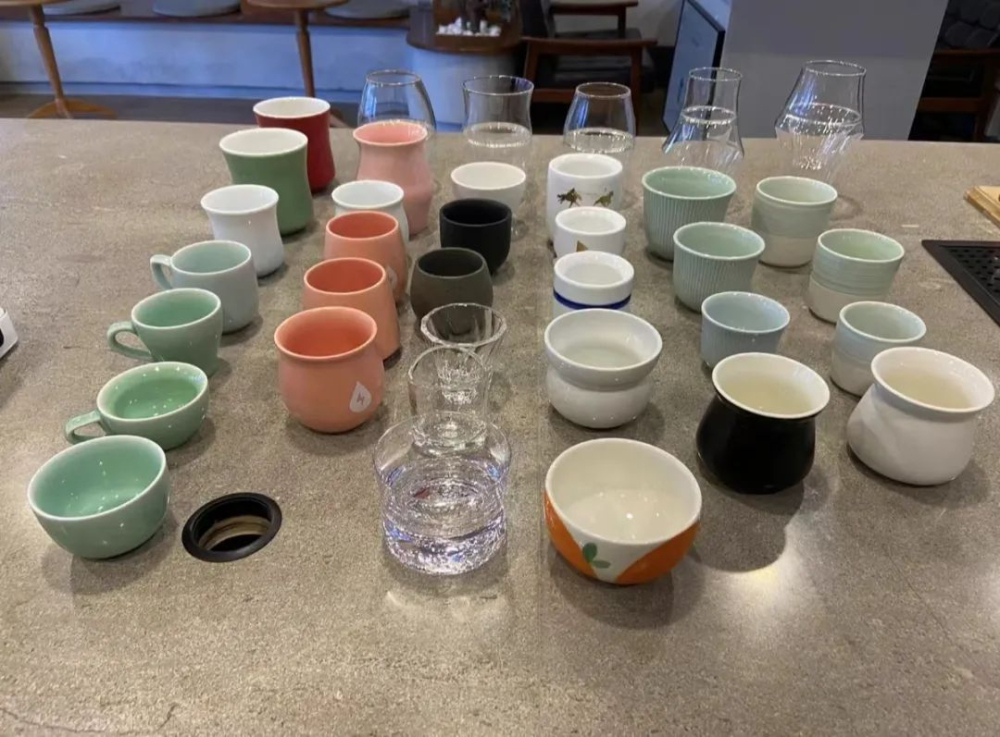
In such establishments, staff often proactively ask customers about their preferences and provide either dine-in or takeout cups accordingly. This attentive communication not only helps avoid misunderstandings but also fosters greater customer loyalty and goodwill toward the brand. Additionally, for shops that are particular about showcasing coffee flavor profiles, different cup materials can influence the aroma and taste of the coffee—another reason why they might opt for dine-in cups.
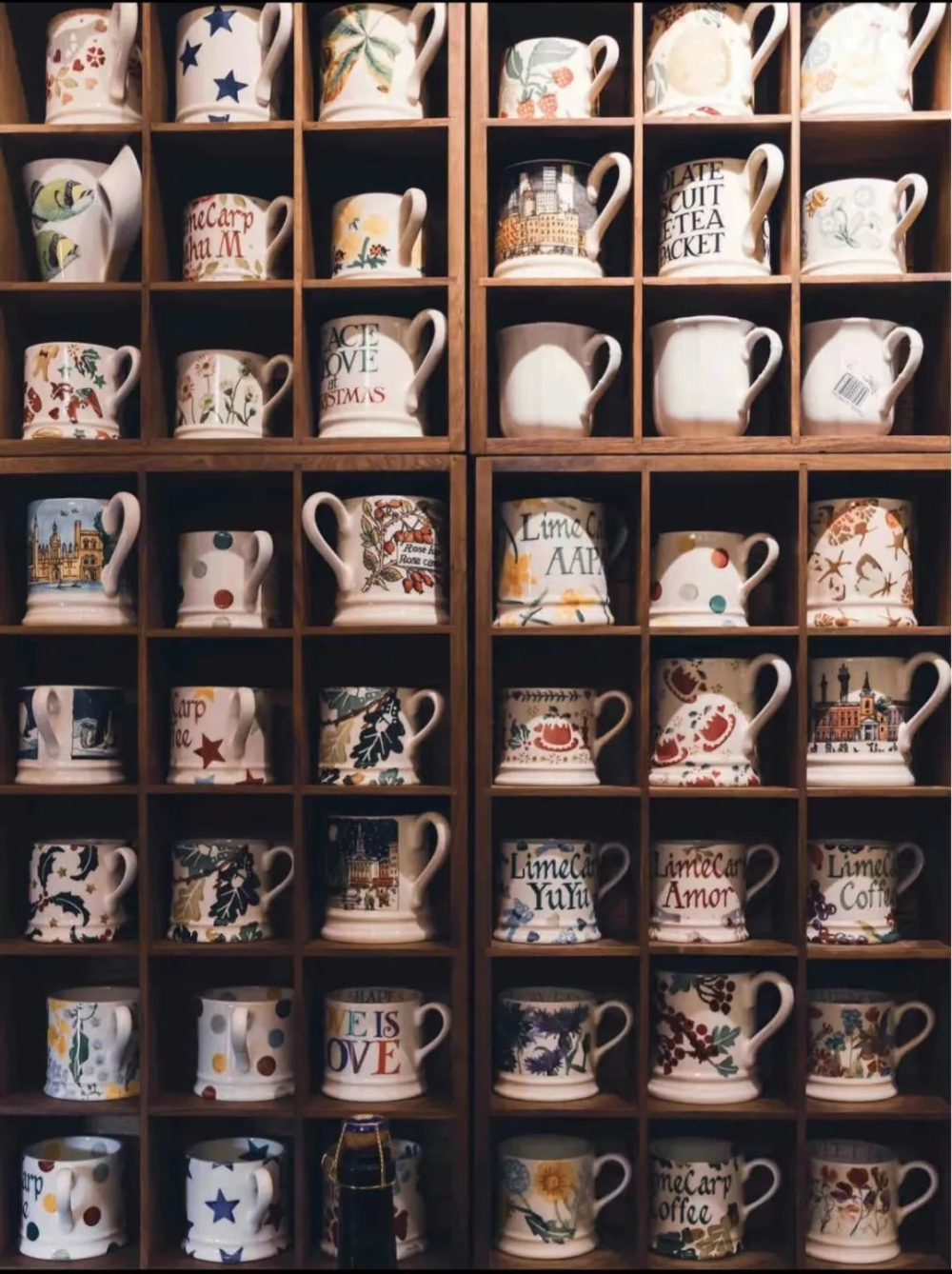
It’s worth mentioning that beyond dine-in and takeout cups, there’s a growing trend of customers bringing their own reusable cups. This not only reduces the use of single-use cups and contributes to environmental sustainability, but some shops even offer discounts for customers who bring their own cups, further encouraging sustainable practices. For these customers, using a personal cup is more than just an individual action—it’s a reflection of their lifestyle.
Regardless of which type of cup you prefer, understanding the considerations and details behind each option can help you make a more informed choice the next time you visit a café—or better appreciate the way a shop operates. After all, the experience of a great cup of coffee isn’t just about the flavor—it’s also about the overall service and attention to detail.
The above content is compiled by CoffeeHunters, a coffee news website.


