







Introduction:Coffee grounds have a wide range of uses, but offering them for free can be controversial. This article delves into the reasons behind incidents of accidental coffee grounds ingestion, analyzes how cafes can reduce legal risks through disclaimers and clear signage, and provides practical advice on handling and using coffee grounds—helping both readers and shop owners avoid unnecessary trouble.
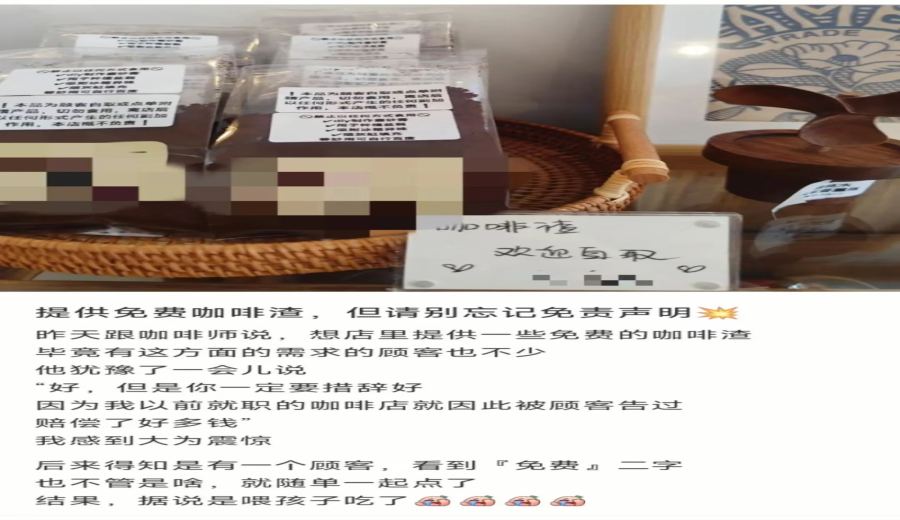
When properly processed, coffee grounds can be used for deodorizing, fertilizing plants, and more, which is why many customers ask cafes for them. Some shop owners are happy to provide them for free, but what seems like a simple act of goodwill can become a source of dispute between business owners and patrons. One netizen suggested that disclaimers should accompany free coffee grounds, citing an incident where a barista was complained about and faced claims due to improper wording—the customer saw the word “free,” didn’t inquire further about the contents, took some along with other items, and ultimately fed the coffee grounds to a child by mistake, sparking widespread social discussion.
This incident highlights how even a complimentary add-on service, if not clearly labeled with its intended use and method of application, can lead to serious consequences. In fact, many customers request coffee grounds for their practical functions such as deodorizing or as a natural fertilizer, but these uses usually require the grounds to be dried or fermented in advance. Ignoring these crucial steps not only greatly reduces their effectiveness but may also pose risks of misuse.
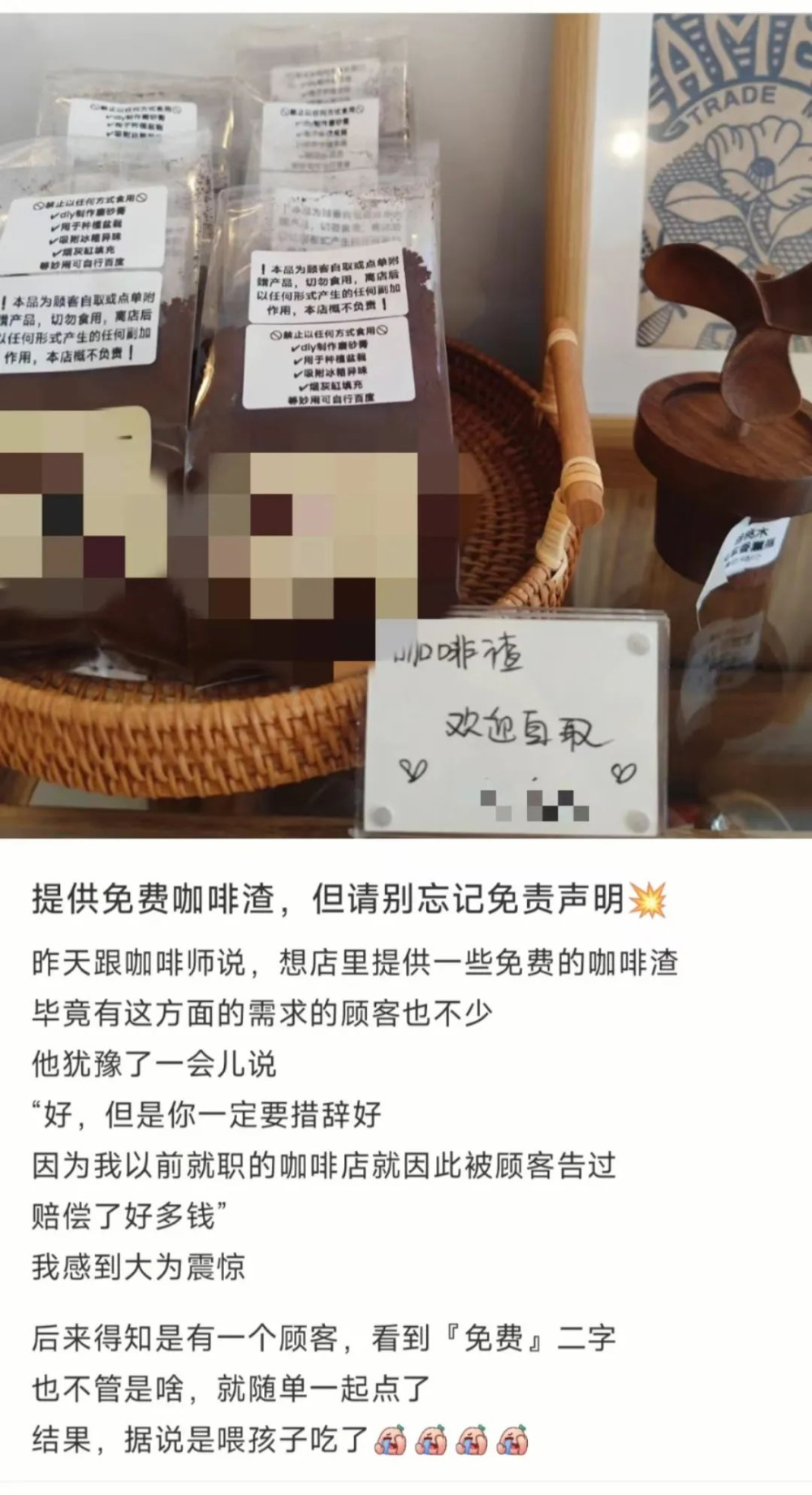
One netizen shared an observation: “Some coffee grounds do indeed have shapes that can easily be mistaken for edible biscuits or similar food items.” Others questioned whether coffee grounds being packaged in food-grade bags might cause customers to misunderstand their purpose. Additionally, someone with experience mentioned a similar case where homemade coffee scrub soap was accidentally consumed by a guest, simply because no clear label was attached at the time—even though the receipt indicated it was soap, misunderstanding still occurred.
Regarding these situations, one poster further explained that since the cafe mainly uses takeaway orders, for convenience and hygiene, coffee grounds are usually pre-packaged. This makes them easy to grab and also helps avoid spills during transport. However, this convenience, without clear usage instructions, can instead become a breeding ground for misuse.
As for why customers might mistakenly consume coffee grounds, besides the packaging format, differences in perception are also a significant factor. Many people may simply overlook the fact that coffee grounds are fundamentally a byproduct of food processing and are not suitable for direct consumption, due to their appearance or packaging resembling food. Additionally, some have raised the possibility of “intentional scamming,” suggesting that certain cases might be deliberate, reminding businesses to handle such situations with greater caution.
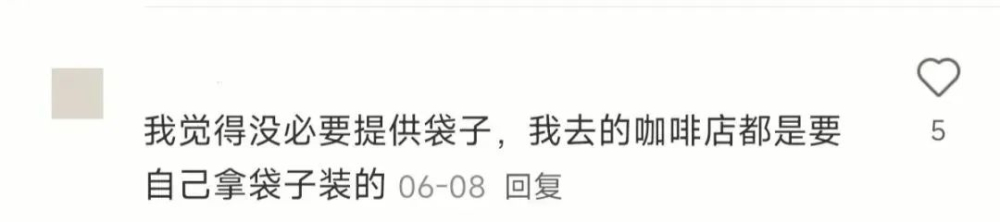
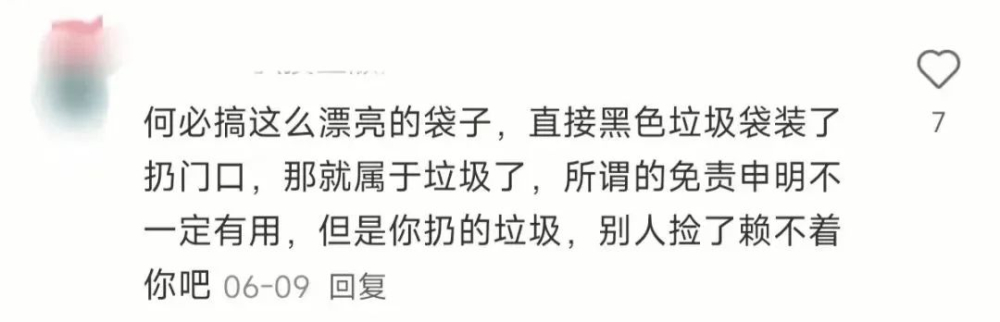
Faced with these potential risks, netizens have offered practical suggestions, such as clearly attaching disclaimers on coffee grounds packaging and providing verbal reminders upon handover. It has also been suggested that cafes ensure their surveillance equipment has audio recording capabilities, so evidence can be provided in case of disputes. Though these measures may seem tedious, they can effectively reduce the likelihood of misunderstandings and legal conflicts.
In summary, while coffee grounds are a practical byproduct that can offer many benefits to customers, shops should fully consider the importance of labeling and communication when providing them. Clearly marking the intended use on the packaging, reminding customers of the correct way to use them, and attaching disclaimers when necessary, not only protects consumer rights but also helps shops effectively avoid unnecessary risks. For consumers, carefully reading the instructions and confirming the usage and processing methods before use is essential to ensuring both safety and effectiveness.
Disclaimer: Some images in this article are sourced from the internet. While we respect the copyright of original creators and will credit sources for website content such as images, due to the large volume, some images or texts may not have been credited in time. We apologize for any oversight. If any original author has concerns, please contact the website for resolution. Once verified, we will make corrections immediately. If there is any infringement, please inform us for removal. Thank you.
The above content is compiled by CoffeeHunters, a coffee news website.


