







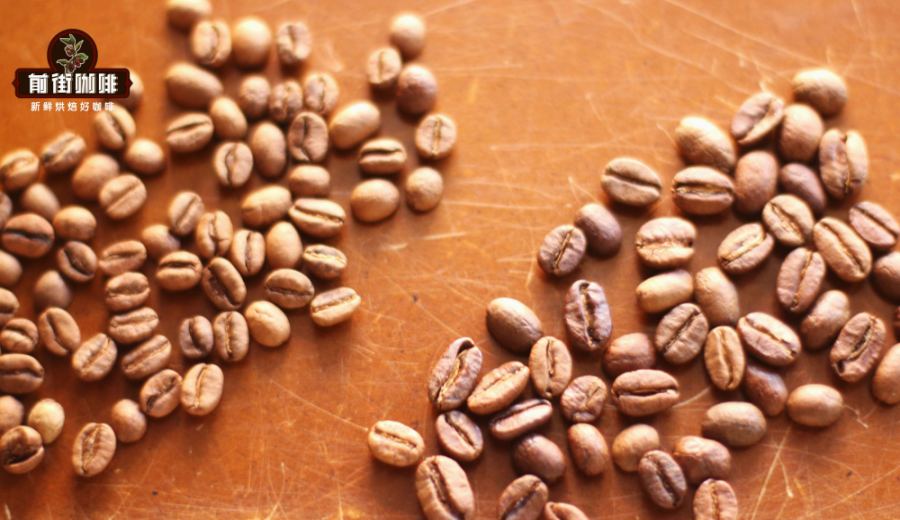
Introduction:Huakui and Geisha are often confused, even mistaken for the same coffee. In reality, the two differ significantly in variety, origin, and processing method. This article delves into the evolution of Huakui, the significance of the Huakui 8.0 version, and compares Geisha’s grading system and representative producing regions. It provides a comprehensive breakdown of the differences between these two popular coffee beans—from flavor to origin—to help you choose your preferred coffee more accurately.
Have you ever wondered if Huakui and Geisha are actually the same coffee? Especially during the years when Huakui was most in the spotlight, there were plenty of online claims equating it with top-tier Geisha. But in fact, Huakui and Geisha differ greatly in terms of varietal origin, growing environment, and processing methods. This article will guide you step by step—from regional background, naming origins, version numbering logic, to actual flavor profiles—to clarify how these two highly talked-about coffee beans differ, giving you better direction when selecting or brewing them.
First, let’s talk about “Geisha,” which is an alternative Chinese translation for Geisha. The English word “Geisha” happens to sound identical to the Chinese word for “geisha” (艺伎), so early coffee enthusiasts in Taiwan directly adopted this term. However, in Ethiopia, Geisha has a dual meaning: it refers both to a well-known producing region in the country’s southwest and to a unique coffee variety grown there. It wasn’t until 2006, when Mr. Yuan from Kalooma Coffee first introduced Panamanian Geisha to mainland China, that it was officially given the new name “瑰夏 (Guīxià, Geisha)” and gradually gained circulation within the Chinese-speaking community.
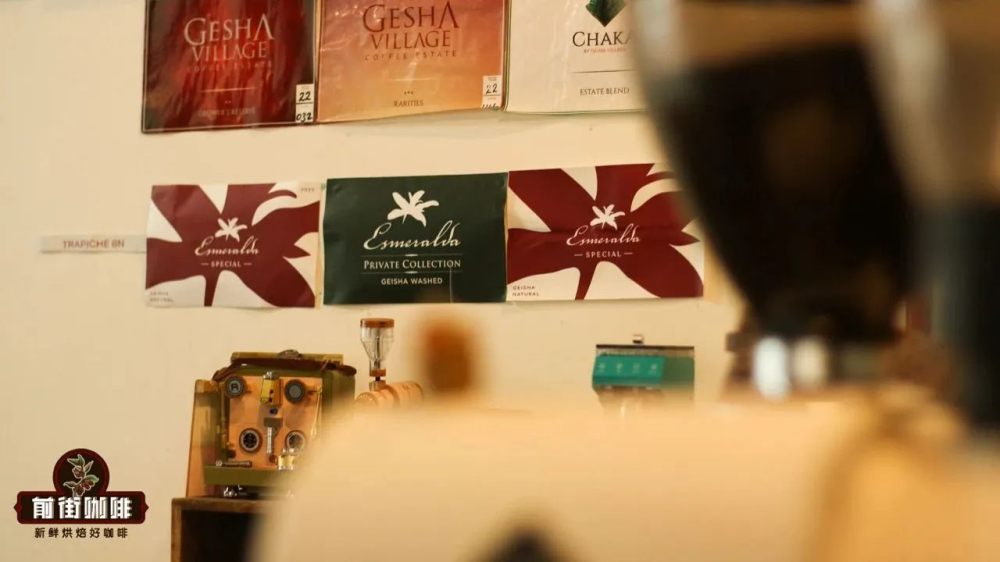
When it comes to top-tier Geisha, many coffee enthusiasts first think of the Red Label Geisha from Hacienda La Esmeralda and the Gold Label Geisha from Gesha Village Estate. In some specialty coffee shops, these two are often specially labeled, with pour over prices around 75 RMB and 60 RMB per cup respectively, attracting many customers eager to experience Geisha. In fact, these Geishas with “label” designations are actually market strategies by the estates to differentiate grades. Whether it’s Red Label, Gold Label, Green Label, or Blue Label, they all represent higher-grade offerings from the respective estates—not only do they generally score higher in cupping tests, but each batch usually comes with detailed plot or processing information. However, such “label” terminology exists only in the Chinese market and has no direct equivalent in the original English names, so it may be difficult to directly identify their grade differences when consulting international sources.
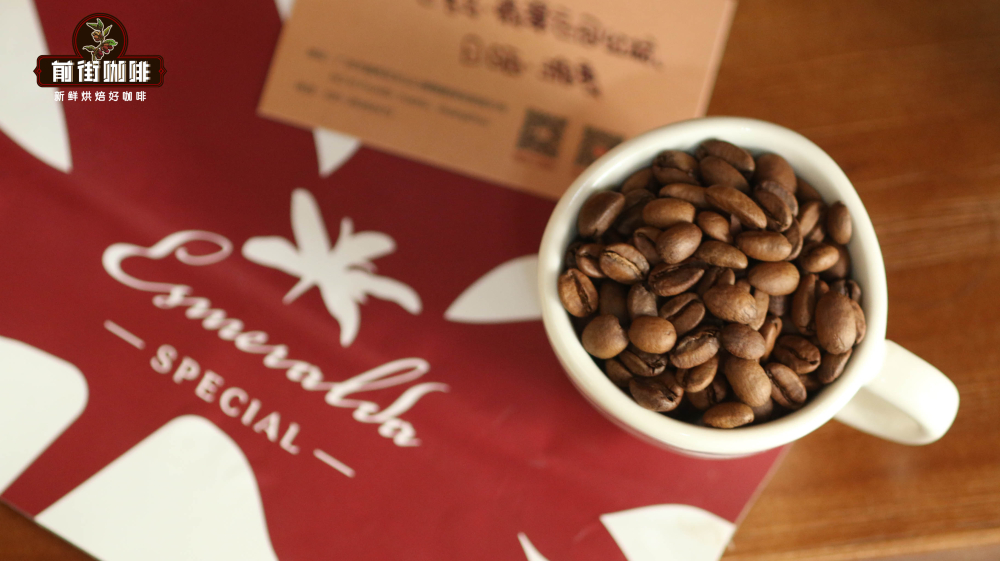
Hacienda La Esmeralda’s Red Label Geisha, with the original English name “Esmeralda Special,” meaning “Esmeralda Selection,” is the estate’s top-tier series. This Geisha not only requires a cupping score of 91 or above but also comes with complete information on the producing region and processing methods, helping consumers better understand its origins.The name “Red Label” comes from the background color of the trademark, and Green Label and Blue Label are also named following this logic, making them easy for consumers to remember and identify. Similarly,Gesha Village Estate’s Gold Label Geisha, with the English name “Rarities,” meaning “rare treasures,” represents the highest-grade Geisha product from the estate aside from auction lots. According to official information, Gold Label accounts for only 10% of the estate’s total production, and each batch also provides detailed plot information, allowing buyers to gain deeper insight into the coffee’s terroir background.
However, because different estates use different colored trademark backgrounds to distinguish grades, confusion can sometimes arise. For example, both Hacienda La Esmeralda and Gesha Village have released Red Label and Green Label products, resulting in two separate sets of “Red Labels” and “Green Labels” in the market. It is recommended that consumers confirm the specific origin with the barista when ordering or purchasing to avoid misunderstandings.
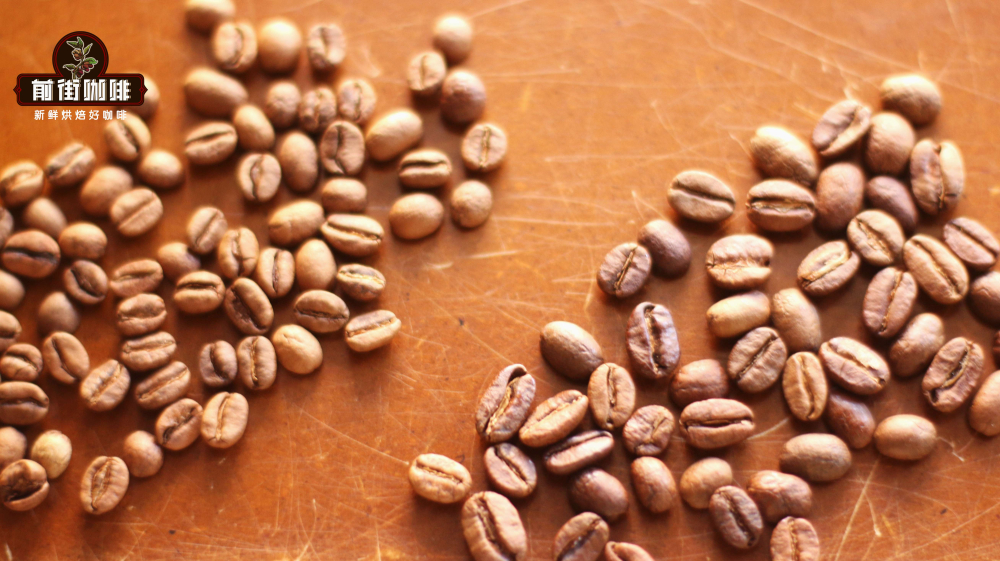
Now let’s take a look at the long-popular “Huakui.” This coffee, which once shone brightly in international competitions, was originally just a sundried G1-grade coffee bean from Ethiopia’s Hambella region, produced at the local Buku Abel processing station in Dimtu town. That year, this bean helped China’s runner-up Li Jianfei defeat multiple Geishas and win second place in the World Brewers Cup, instantly gaining fame.
So,what does Huakui 8.0 mean?Generally, the names of coffee beans are related to variety, origin, or processing farm, and rarely include an annually changing “version number.” But Huakui is an exception—its naming logic is similar to the annual updates of electronic products. This is because the name “Huakui” itself is a product of marketing. Before being officially named, it was only known by its English name “Hambella,” translated into Chinese as “罕贝拉 (Hǎnbèilā).” The original “Huakui coffee” referred to the traditional sundried G1-grade coffee beans produced by the Buku Abel processing station in the Hambella region.
As Huakui won awards in competitions, market demand surged. The green coffee trader DW Company then expanded with five dedicated coffee drying stations in the Hambella Wamena Wereda region, all located within the core producing area of Dimtu town, including villages such as Buku Abel, Buku Saysay, Haro Soresa, Tirtiro Goye, and Seke Bokosa. It is understood that at the time, DW Company was producing thousands of tons of “Huakui” sundried beans annually.
However, starting from the 2018 harvest season, even though the origin and processing stations remained unchanged, the flavor of Huakui began to show slight variations year by year. Some specialty coffee shops observed through cupping that while the 2018 and 2019 Huakui still retained some of the original flavors, they lacked the body and aftertaste details of the 2017 “original Huakui.” To distinguish batches from different years while maintaining brand consistency, domestic green coffee traders used 2017 as the baseline and added an X.0 version number to subsequent seasonal batches—for example, 2018 became “Huakui 2.0,” 2019 became “Huakui 3.0 and 3.1,” up to the latest “Huakui 7.0” or “Huakui 8.0,” making it easy for consumers to identify the batch year of their purchase.
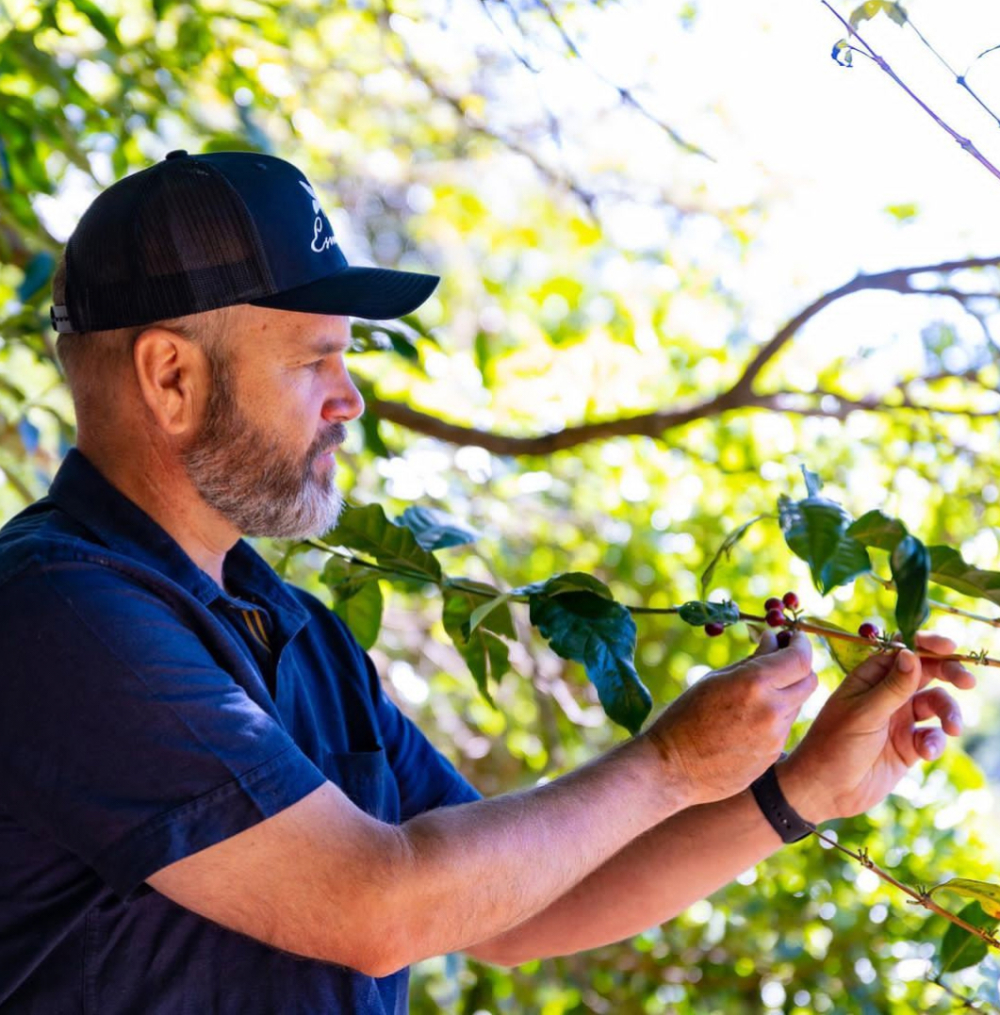
So why do many people mistakenly think Huakui is top-tier Geisha? This is actually related to the symbolism behind the name “Huakui.” Geisha was initially translated as “艺伎 (geisha),” and in Japanese culture, a geisha symbolizes elegance and talent, with the most outstanding geishas being honored as “花魁 (Huākuí, Huakui).” Therefore, when this sundried single-origin bean was named “Huakui,” the intention was for it to defeat Geisha and become the top star in the market. However, this symbolism was gradually misunderstood during online dissemination, eventually leading to the incorrect impression that “Huakui is top-tier Geisha.” To clarify this misunderstanding, let’s further compare the differences between the two through flavor profiles.
What’s the actual difference in flavor between Huakui and Geisha?The flavor of Huakui isn’t as flower-centric as the name might suggest. While floral notes are present, what stands out more are its rich tropical fruit characteristics, such as creamed strawberry, mango, jackfruit, citrus, and blueberry—traits typical of Yirgacheffe sundried beans. Particularly in the 2023 release ofHuakui 8.0, its dry fragrance is even more vibrant, blending guava, jackfruit, apricot, dried fruit, citrus, and soft pink florals. Upon tasting, there’s an interplay of sweet and sour notes from dried mango, jackfruit, orange, and passionfruit, with pronounced juiciness and a smooth, rounded mouthfeel. As it cools, the sweetness of peach and the bright acidity of berries become more prominent, while the finish leaves a lingering aftertaste reminiscent of black tea—offering a rich and captivating layers of flavor.
In contrast, Geisha exhibits a completely different flavor personality. Unlike traditional black coffee’s intense body, it’s more like a refreshing and pleasant floral-fruit tea. Geisha boasts highly distinctive layered floral and fruity aromas, with bright and well-defined acidity. As the temperature changes, one can perceive delicate textures and shifts in fruit flavors from the tip of the tongue to the throat. This unique flavor profile has earned Geisha the title of the “pinnacle” of the coffee world. Nowadays, besides Panama, regions like Costa Rica, Ethiopia, Colombia, and Guatemala also grow Geisha, each offering their own interpretations of its flavor. If you’re trying Geisha for the first time, it’s recommended to start with Panamanian Geisha, as the region’s cultivation and processing expertise are the most mature, and its flavor performance is the most representative.
The above content is compiled by CoffeeHunters, a coffee news website.


