







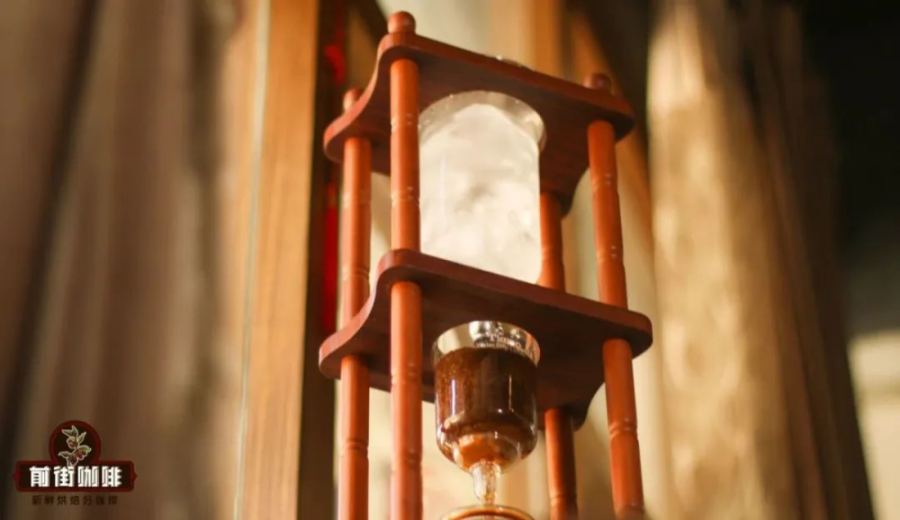
Introduction:Both ice drip and cold brew belong to low-temperature extraction methods, but the fundamental differences between drip filtration and immersion result in distinctly different flavor profiles. This article delves into the historical origins and working principles of both techniques, and uses medium-to-light roasted beans such as Hua Kui and Strawberry Candy as examples to illustrate how to choose based on personal taste preferences, along with practical bean selection and brewing suggestions.
Many people assume that ice drip coffee is only for summer, but in fact, it remains popular even in colder seasons. When ice drip sells out, many customers turn to ask if cold brew is available. Although both are low-temperature extracted black coffees, their production methods—one being drip filtration and the other immersion—lead to noticeably different taste and aroma profiles. This article will thoroughly dissect the differences between ice drip and cold brew, from their historical backgrounds and extraction principles to actual flavor characteristics. We’ll also incorporate hands-on experiences with medium-to-light roasted beans such as Hua Kui, Blackberry, Strawberry Candy, and Flower Butterfly to help you find the cup that suits you best.
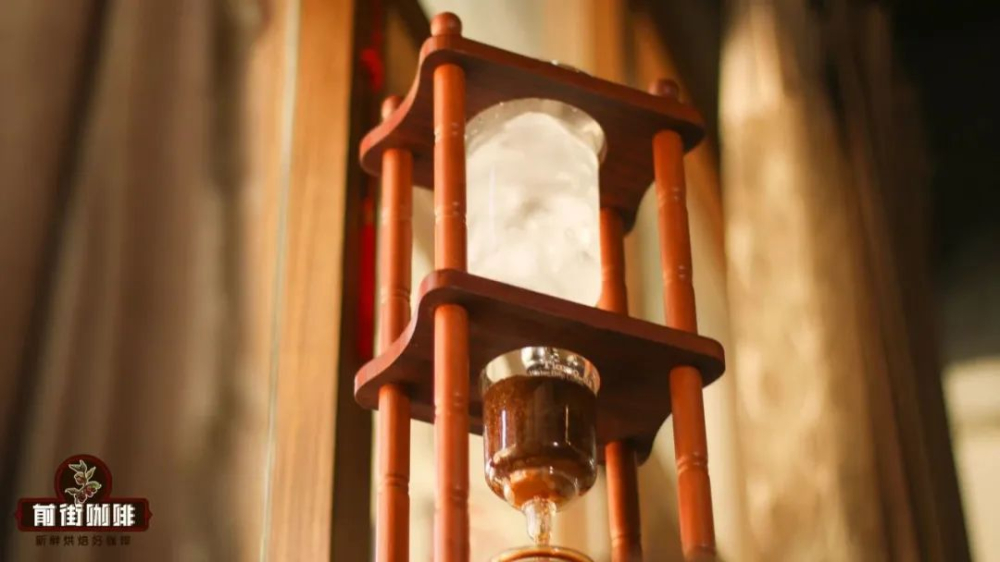 Ice drip coffee isn’t just for summer. In fact, it has a steady following even in cooler seasons. Once it sells out, many customers who walk in often ask if cold brew is an option. Both cold brew and ice drip are low-temperature extracted black coffees, but they differ significantly in brewing techniques, which leads to divergent flavor directions. Below, we’ll break down their differences one by one—from historical background and extraction principles to actual flavor profiles.
Ice drip coffee (Ice drop coffee) is made by slowly dripping ice water through a bed of coffee grounds at room temperature, extracting the coffee liquid over an extended period. In contrast, cold brew coffee involves mixing coffee grounds with room temperature water and allowing it to steep in the refrigerator, letting the coffee compounds slowly release. Both methods use a low-temperature environment for extraction, but ice drip is a drip filtration method, while cold brew is immersion-based—this is the key to their differing flavor profiles.
 There are no definitive records regarding the origins of these two methods. However, according to research and speculation in the international coffee industry, low-temperature extraction likely originated from 17th-century Dutch maritime trade. At that time, Dutch merchant ships transported coffee beans from Batavia (now Jakarta), Indonesia, to various destinations. Since heating wasn't possible on board, crew members tried soaking coffee grounds in cold water for extended periods. They unexpectedly discovered that this method produced coffee that was not only rich but also had significantly reduced bitterness, resulting in a more mellow and full-bodied flavor. This method later spread to Japan, where it was refined through Japanese craftsmanship, eventually evolving into what we now know as ice drip—also referred to as "Kyoto coffee"—emphasizing precise drip filtration and layered flavor expression.
Both ice drip and cold brew employ low-temperature extraction. Compared to hot water brewing, they can more effectively suppress the release of acidic substances and excessive impurities, thus highlighting the sweet and sour tones as well as fruity characteristics in coffee. It’s recommended to choose medium-to-light roasted beans, such as Hua Kui, Blackberry, Strawberry Candy, and Flower Butterfly. These beans typically possess bright acidity and floral-tea aromas, which, when extracted at low temperatures, can display richer layers. Ice drip may even bring out complex flavors reminiscent of fruit wine and chocolate.
If you use the same coffee beans for both ice drip and cold brew, their foundational flavors are broadly similar, but the variables during the extraction process will lead to different emphases in the final product. Some people prefer a clean, layered taste, while others are drawn to a thicker, more enveloping coffee experience. This often depends on personal preference—just like some people are used to drinking Nongfu Spring while others prefer Yibao. There’s no absolute better or worse.
Take a light-roasted Ethiopian Sidama as an example. If cold brew and ice drip are prepared at the same ratio, cold brew coffee usually showcases a fuller original bean flavor, such as the juiciness of tropical fruits and a hint of red wine fermentation aroma. Due to fewer variables in the overall extraction process, the prolonged coexistence of water and coffee grounds results in a smoother and more consistent mouthfeel. In contrast, ice drip, because the ice water does not continuously contact the coffee grounds, involves a more segmented extraction process, leading to a clearer flavor profile. It often presents bright pineapple juice acidity, high sweetness with guava notes, and a richer, more fermented red wine sensation after extended extraction.
Although there are clear differences in the details, it’s not easy to intuitively tell them apart in general consumption without meticulous cupping comparisons. For most consumers, choosing between ice drip or cold brew depends more on taste preference and situational needs. If you enjoy a refreshing, layered coffee with fruity notes, ice drip is a good choice. If you prefer a thicker, more robust taste with a hint of wine-like aroma, cold brew might suit you better.
Regardless of which you choose, it’s recommended to use high-quality medium-to-light roasted coffee beans and adjust grind size and coffee-to-water ratio according to the bean characteristics to fully leverage the advantages of low-temperature extraction. For detailed steps and parameter settings for making ice drip and cold brew, you can refer to relevant technical guides to achieve more ideal extraction results.
The above content is compiled by CoffeeHunters, a coffee news website.


