







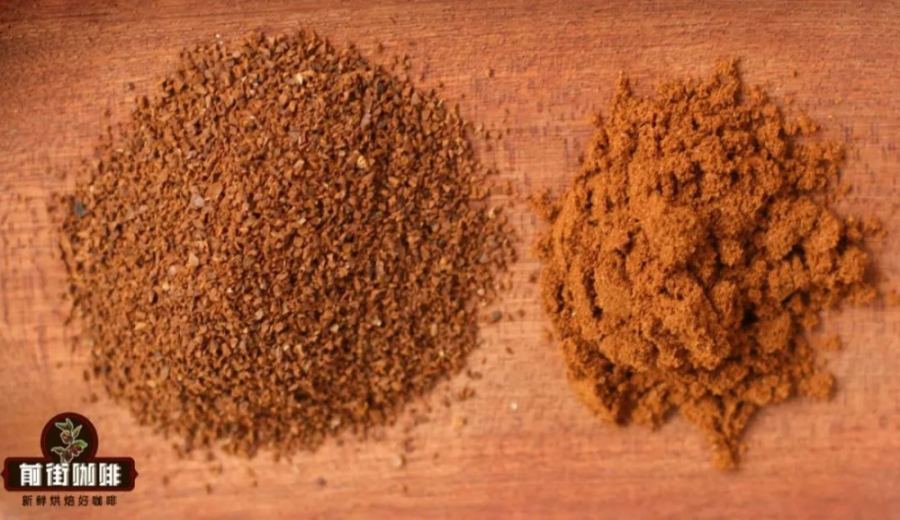
Introduction:Fine coffee particles in pour over brewing are both a potential source of flavor and a major cause of over-extraction and clogging. This article delves into how to sift out excessive fines and offers two practical solutions: one is to control the amount of fines returned to within 10% of the total dose and adjust the pouring volume accordingly, and the other is to add the fines after the second pour. Based on test data where 15 grams of coffee grounds yielded 2.5 grams of fines, this guide helps you find the balance in fines management to improve extraction stability and flavor performance.
In the world of pour over coffee, fine particles are always a love-hate topic. They can add extra layers and aromas to your coffee, but they can also easily lead to filter paper clogging, over-extraction, or even throw off the overall flavor balance of the entire brew. So how should these tiny coffee particles be handled to balance flavor and stability? This article will take you from the root to understand the impact of fines and provide two practical methods that have been tested in practice.
First, why do we need to pay attention to fines? Fines generally refer to coffee particles smaller than 0.25mm. These tiny particles can easily slip through the fine pores of the filter paper, slowing down water flow or even unexpectedly extending the extraction time. When there are too many fines, not only are they prone to over-extraction themselves, but they can also negatively affect the surrounding coffee grounds, leading to unwanted bitterness and off-flavors in the overall extraction. Therefore, moderately sifting out excess fines is often the first step for many coffee enthusiasts to improve pour over quality.
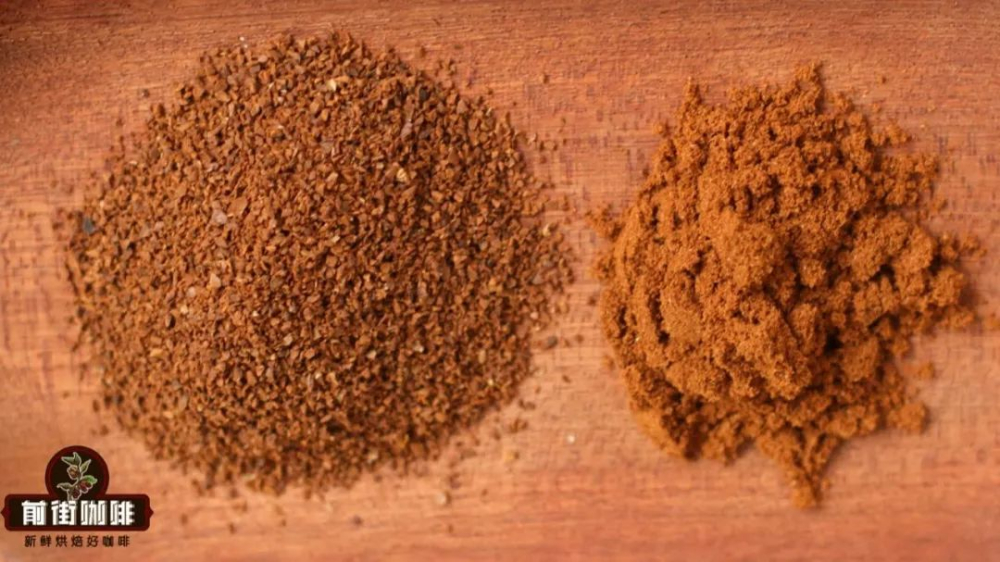
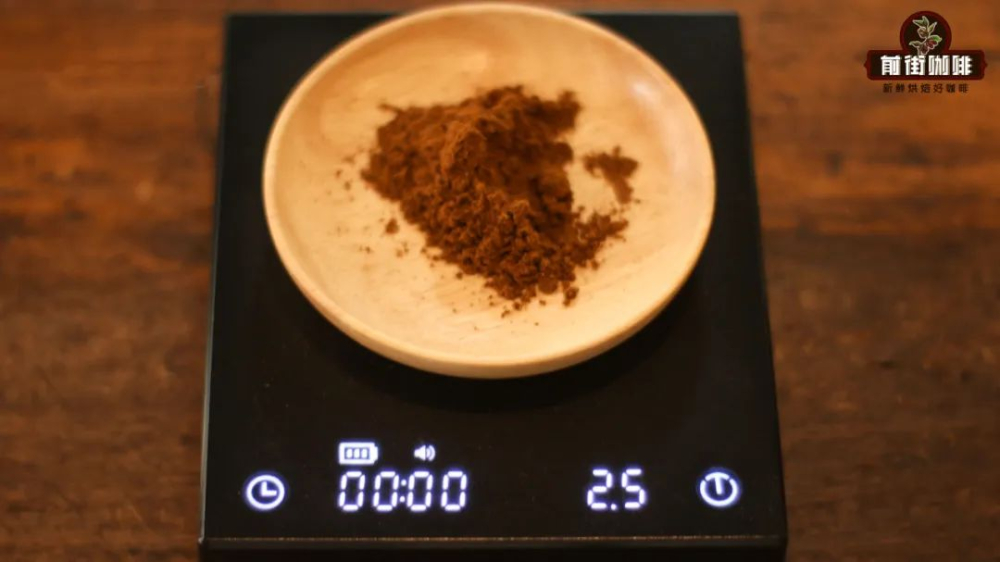
In practice, using a common fines sieve (also called a coffee sieve) can easily separate fines from medium-sized coffee particles. Pour the ground coffee into the top layer of the sieve and gently shake it so that the fines pass through the mesh. For example, with 15 grams of coffee beans, grinding with a typical hand grinder may yield around 2.5 grams of fines, about 16% of the total coffee dose. If you use this unsifted coffee directly for pour over, it can not only easily clog the filter paper but may also result in a muddy and uneven coffee bed, affecting the final flavor.

So, is it better to just remove all the fines? In fact, while completely removing fines can improve extraction stability, it may also strip the coffee of some delicate aromas and aftertaste, making the overall flavor profile seem thin. More importantly, even with high-end, high-precision grinders, it’s difficult to completely avoid producing a certain proportion of fines. Therefore, the key lies in how to effectively “manage” these fines, rather than simply removing them all.
For the sifted-out fines, there are currently two more feasible practical solutions. The first is to control the ratio of fines returned. It is recommended to keep the amount of fines returned within 10% of the total coffee dose used, and adjust the total pouring volume accordingly. For example, if you’re using 15 grams of coffee and have sifted out 2.5 grams of fines, you can choose to return about 1.5 grams of fines while reducing the original pouring volume by about 15 milliliters to avoid the risks of filter clogging and over-extraction. This method is suitable for users who want to stabilize extraction conditions early in the brew.
The second method is to find an appropriate moment during the brewing process to add the fines, thereby reducing the likelihood of negative flavors. The specific approach is to add the reserved fines (such as the remaining fines in the above example) to the filter after completing the second pour. By this time, the coffee bed has already begun to expand, so adding the fines can not only extract their aromatic compounds but also prevent them from settling at the bottom and causing filter clogging. This technique is especially suitable for three-stage or multi-pour brewing methods, but the timing of addition can also be adjusted according to personal preference.

It’s important to note that while fines can enhance flavor complexity, their impact is also relatively sensitive. If the returned fines exceed 10%, it can easily lead to filter clogging, poor water flow, and ultimately affect the overall extraction speed and flavor balance. Therefore, beginners are advised to start with a 10% ratio and then make fine adjustments based on actual extraction results.
Additionally, many coffee enthusiasts may think that only low-end or budget grinders produce a lot of fines, but in reality, even high-precision grinders inevitably produce a certain proportion of fines during the grinding process. Therefore, the focus is not on pursuing “zero fines,” but on learning to effectively manage these small particles so that they become an asset to flavor rather than a liability to stability.
In summary, there is no single absolutely correct way to handle fines in pour over coffee, but by moderately sifting, reasonably controlling the return ratio, and choosing the right timing for addition, you can more stably extract the essence of the coffee while preserving those delightful subtle aromas. Whether you’re a beginner or an experienced coffee enthusiast, mastering fines management techniques can bring a noticeable improvement to your coffee experience.
The above content is compiled by CoffeeHunters, a coffee news website.


