







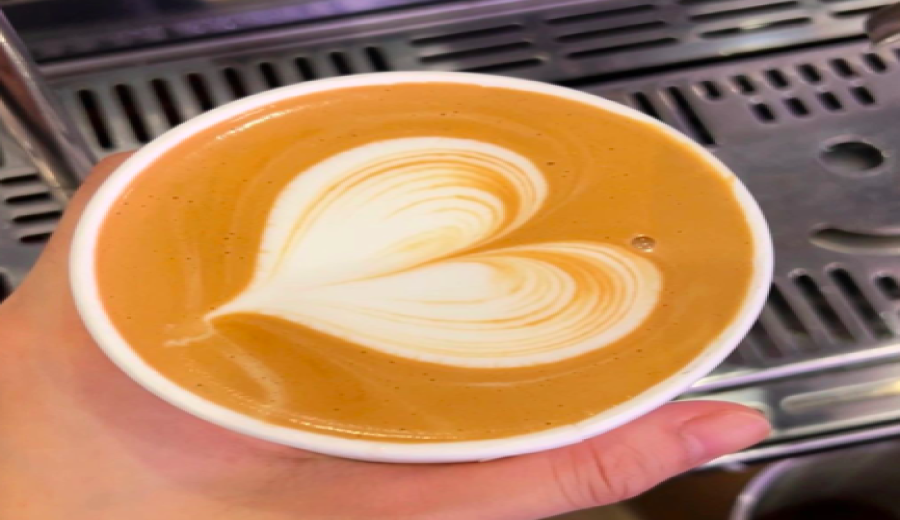
Introduction:As traditional latte art techniques reach maturity, baristas worldwide are breaking boundaries by transforming ice scrapers, coffee scoops, and even fruits and vegetables into creative canvases. This article spotlights 10 stunning unconventional latte art vessels, analyzing the applicable techniques and flavor pairing suggestions for each medium, along with practical operational tips. From mastering basic milk foam control to key pointers on handling non-traditional surfaces, it invites you to explore the infinite possibilities of latte art.
While latte art is considered a core skill for baristas—seemingly requiring only control over milk foam flow rate and pouring cup angle—it actually involves a dual challenge of fluid dynamics and aesthetics. Once most practitioners have mastered standard patterns like hearts or tulips, a group of experimental baristas began seeking new canvases, expanding their creative boundaries into kitchen and gardening tools.
Among the creative works circulating on social media, the most common alternative vessel is the work ice scraper often found next to an ice machine. Its wide, flat surface is especially suitable for practicingbasic layering techniques,and it's recommended to pour the milk foam at a medium to low flow rate, constructing a stable base image before adding details. It's worth noting that metal accelerates liquid cooling, so the operation speed needs to be about 30% faster than with conventional latte art.
Small wooden coffee scoops present a completely different challenge—the uneven wood grain surface requires the latte artist to adjustthe milk foam consistency to medium-firm(approximately 18–20 seconds on the drip test). Practical tips include preheating the container with hot water to prevent condensation, and using a “dot stacking method” instead of continuous pouring. A Taipei specialty café owner shared that when creating mini animal patterns on this kind of vessel, the pouring pitcher should be tilted 15 degrees less than when pouring on a flat cup.
Tropical fruit latte art has emerged as a recent trend, and among them, the purple-red flesh and dark brown seeds of dragon fruit form a naturally striking contrasting backdrop.The best practiceis to select a ripe fruit with a cross-section diameter of 8–10 cm, and before using a melon baller to remove the flesh, mark a 3 cm safety margin to prevent juice seepage. Data from a coffee lab in Tainan shows that mangoes and citrus fruits, due to their higher pH levels, can produce a slightly bitter aftertaste when paired with dark roast beans—light to medium roasted Ethiopian bean varieties are recommended instead.
Sweet potato latte art, which rose in popularity during autumn and winter, combines both culinary and visual enjoyment. When selecting an oval sweet potato, attention should be paid toskin integrity and steaming time,—it’s advised to steam it in an electric cooker for 12 minutes, then create the art while it’s still hot, as the starch gelatinization at this point can improve milk foam adhesion by about 40%. A participant at a Tokyo coffee festival found through testing that when pairing with cinnamon powder or salted caramel sauce, seasoning should be applied within 30 seconds after completing the latte art to avoid pattern bleeding.
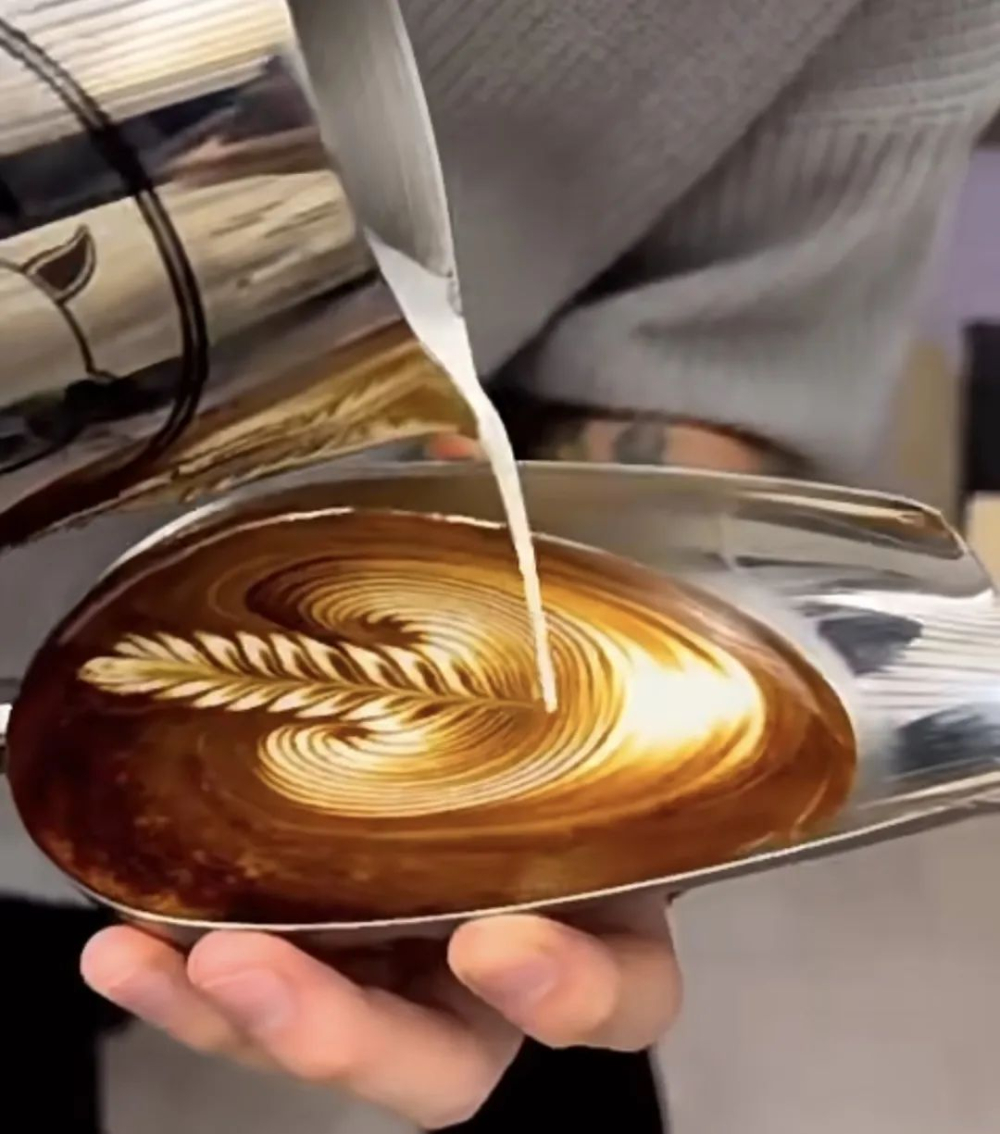
For those seeking the extreme, clay flower pots, glass jars, and even bread molds have become experimental subjects. Professionals recommend that first-timers follow the “three-test principle”: first simulate milk foam flow rate with water (suggested flow rate of 2–3 ml per second), then test the vessel’s tilt stability, and finally evaluate the impact of surface tension. Be sure to prepare a protective cloth, as non-standard vessels often result in unexpected liquid spread.
These innovative practices not only broaden the expressive forms of coffee art but also reveal the driving force behind the industry’s continuous evolution. From refining basic techniques to cross-disciplinary inspiration, each alternative vessel holds unique challenges and surprises. The next time you hit a latte art plateau, perhaps an ordinary household item nearby could become your spark of inspiration.
The above content is compiled by CoffeeHunters, a coffee news website.


