







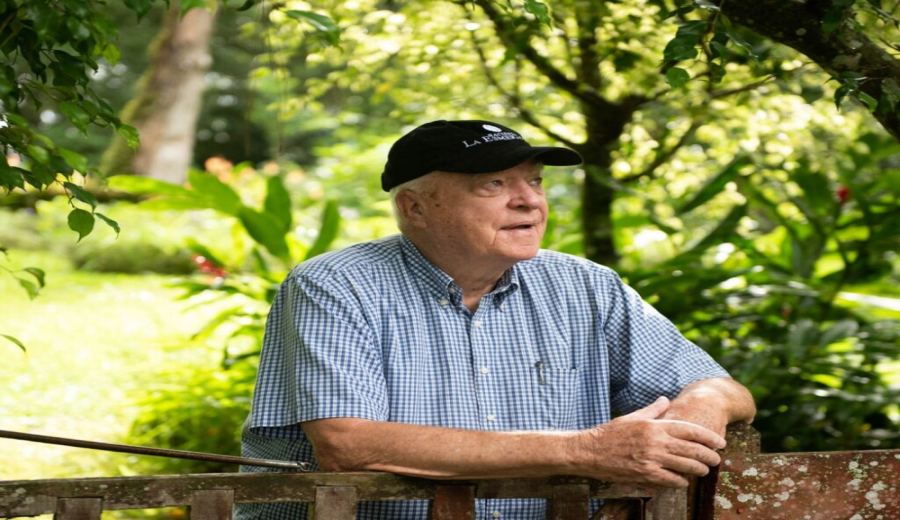
Introduction:Panama’s Finca Geisha (Hacienda La Esmeralda) is a globally renowned origin of Geisha coffee. The differences between its Blue Label, Green Label, Red Label, and auction lots often puzzle coffee enthusiasts. This article delves into the grading logic behind the estate’s four main farms and 22 subplots, helping you understand the flavor profiles, altitude conditions, and subplot origins behind each label—so you can choose the most suitable Geisha beans based on your preferences.
Panama’s Finca Geisha is the birthplace where Geisha coffee gained worldwide fame and represents the flavor benchmark for many coffee aficionados. However, when faced with Blue Label, Green Label, Red Label, and auction lots, many consumers are often left confused: what do these labels actually mean? How are they related to the different farms and subplots within the estate? This article will break down the farm structure, subplot distribution, and grading system of Finca Geisha in detail, giving you clearer guidance when selecting Geisha coffee.
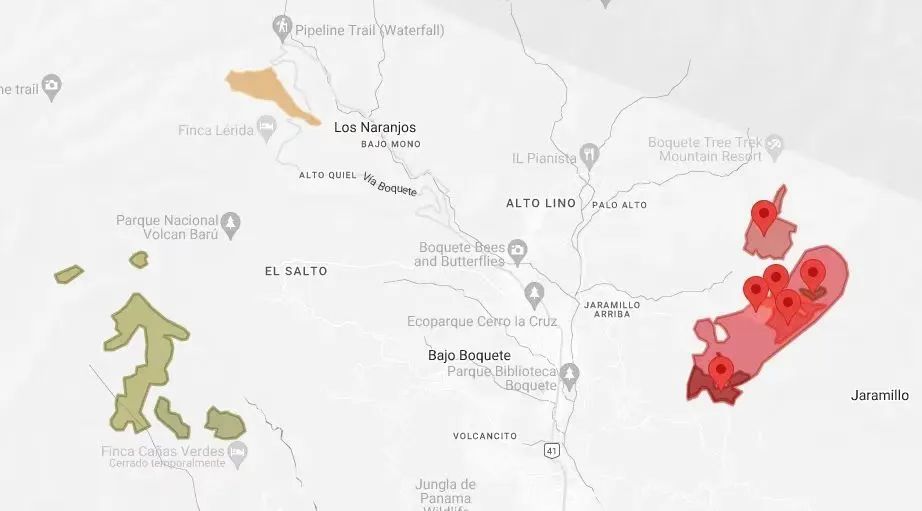
Originally a single estate, Finca Geisha gradually expanded by acquiring surrounding farmland as its international reputation grew and market demand increased. Today, the estate primarily consists of four farms: Cañas Verdes, El Velo, Jaramillo, and Palmira. Among them, Palmira is a newly developed farm that currently has no production output and lacks specific subplot information. The other three farms are subdivided into multiple small plots based on altitude, microclimate, and soil conditions, forming the basis for Geisha grading.
These small plots not only influence the final flavor of the coffee but also serve as the foundation for Finca Geisha’s single-origin or blended harvesting strategies. For example, the Jaramillo farm includes the Jaramillo subplot, which is further divided into five smaller plots: Mario, Noria, Reina, Bosque, and Buenos Aires. Each small plot exhibits slight variations due to its unique microclimate and soil characteristics, resulting in a diverse expression of Geisha flavors.
Take the Cañas Verdes farm as another example. Its altitude and climate conditions are also well-suited for Geisha cultivation. The area receives an annual rainfall of about 3,500 mm, with significant day-night temperature differences—daytime averages between 16–23°C and nighttime between 10–15°C, at an average altitude of 1,600–1,800 meters. Cañas Verdes is divided into nine small plots: Lino, Coronado, Fundador, León, Montaña, Trapiche, Chinta, Cabaña, and Tumaco.
These environmental factors—including altitude, temperature, rainfall, and soil—are all key determinants of a coffee’s flavor profile. Generally speaking, the higher the altitude, the brighter the acidity, the more complex the aroma, and the sweeter the taste. Therefore, Finca Geisha’s grading system is largely based on altitude and subplot distinctions.
Looking back to 2020, Finca Geisha’s Geisha grading was mainly divided into three tiers: Blue Label, Green Label, and Red Label. At that time, Blue Label beans were mostly sourced from areas below 1,500 meters and positioned as an entry-level option. Red Label was carefully selected from single plots above 1,500 meters, featuring more distinctive flavor characteristics and serving as the source of auction lots. Green Label was a blend harvested from multiple plots above 1,500 meters, offering relatively balanced flavors but without traceability to specific plots.
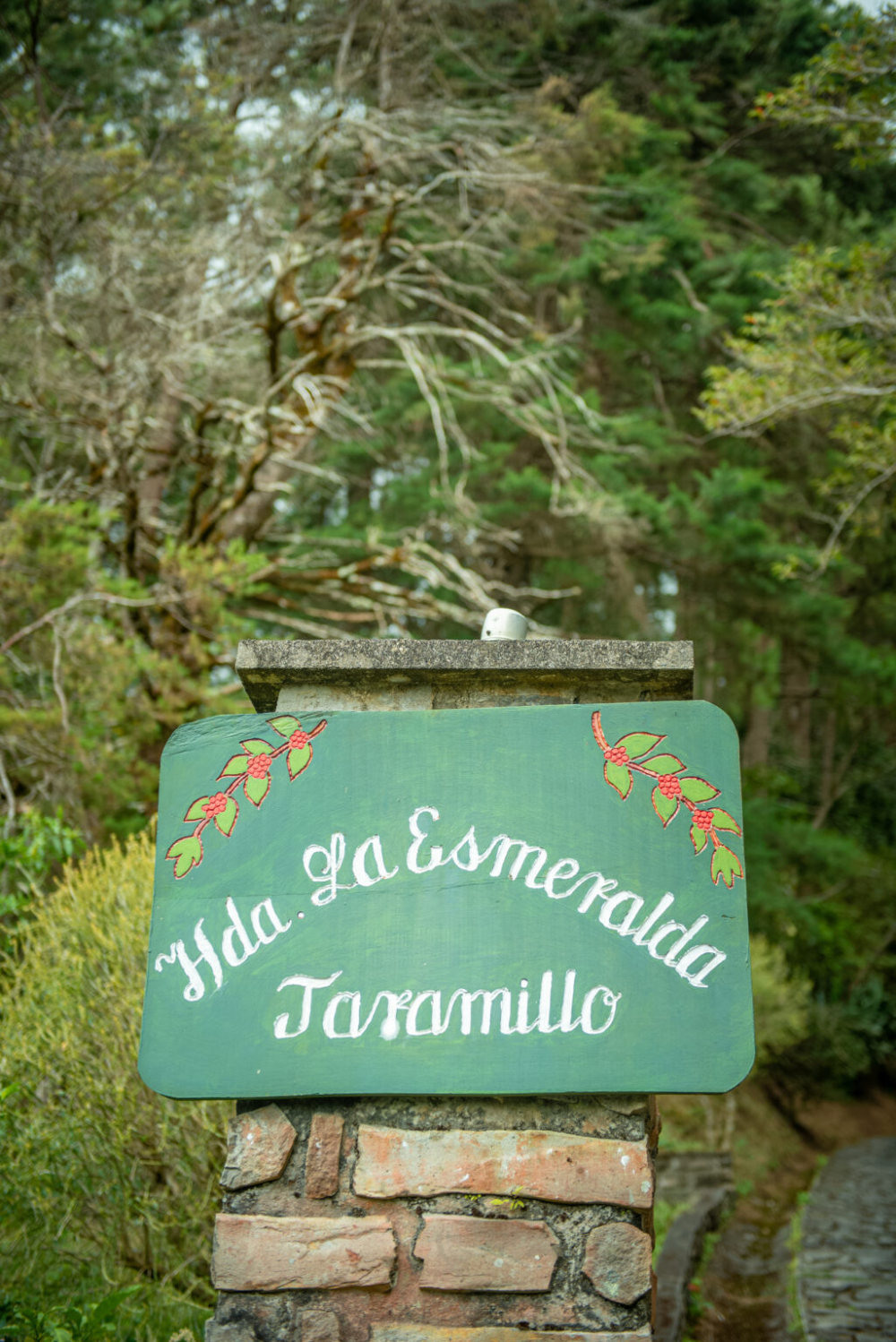
Over time, Finca Geisha has adjusted its grading strategy and has now eliminated the Blue Label category. Currently, Red Label is the highest grade, requiring a harvesting altitude of at least 1,600 meters and traceability to specific plots—making it a sought-after choice among specialty coffee enthusiasts. Although Green Label is also sourced from high-altitude regions, its blended nature from multiple plots results in a more diverse yet less focused flavor profile compared to Red Label. Auction lots are further selected from Red Label-grade beans through competitive bidding, often fetching much higher prices. However, the flavor improvement may not always be proportional, so it’s advisable to choose based on your budget and interest in trying something unique.
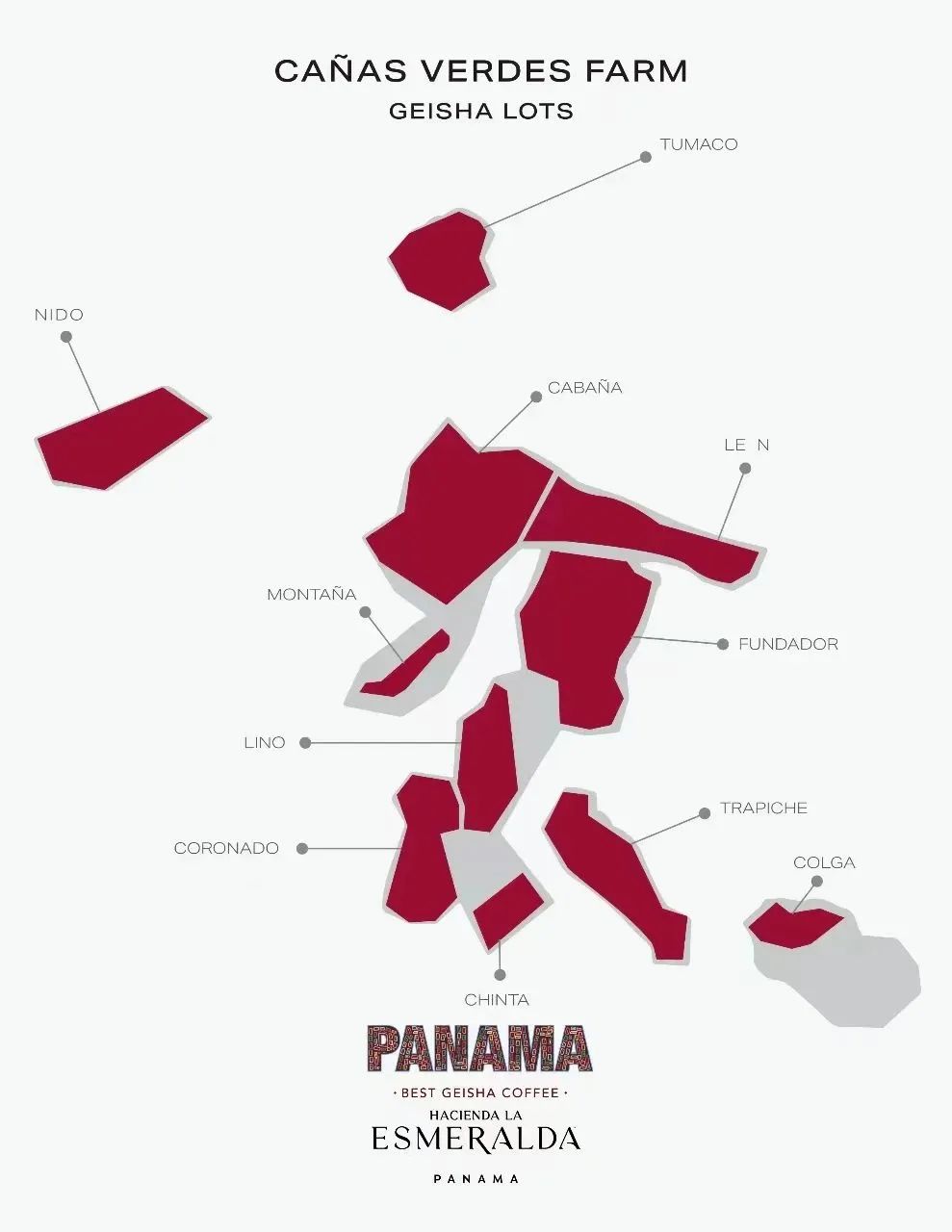
Notably, the environmental differences among the farms and subplots of Finca Geisha are directly reflected in the coffee’s aroma, acidity, sweetness, and aftertaste. For instance, the Jaramillo farm is known for its intense floral and citrus notes, while Cañas Verdes may exhibit more nutty and chocolatey flavors. Understanding these subplot characteristics can help you adjust grind size, water temperature, and extraction time during brewing to fully bring out the potential of each batch.
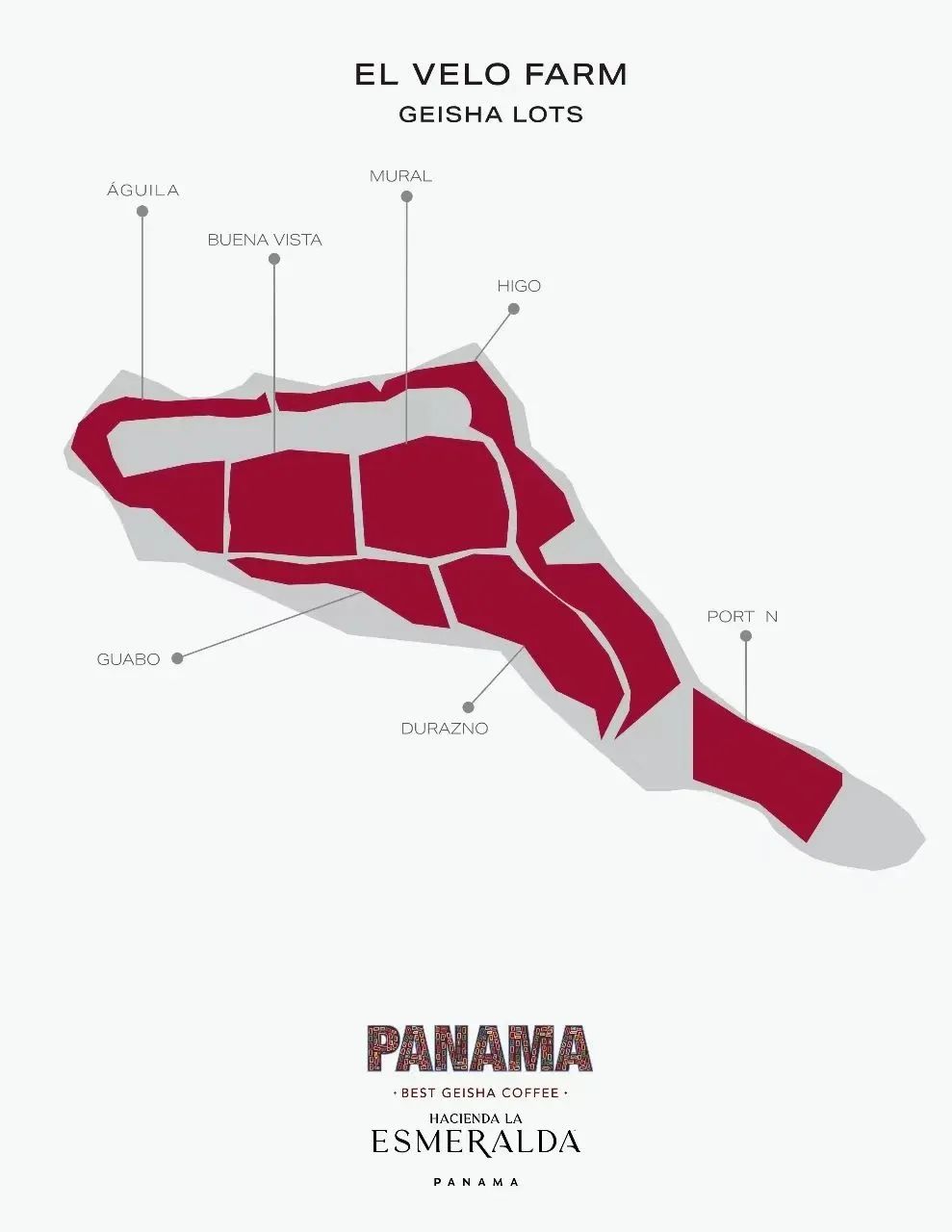
In summary, when selecting Geisha coffee from Finca Geisha, it’s important not only to pay attention to the label classification but also to understand the subplot origin and altitude conditions behind it. For most consumers, Red Label and Green Label already offer excellent tasting experiences, while auction lots are suited for coffee enthusiasts pursuing ultimate flavor or collectible value. No matter which grade you choose, careful brewing and savoring will allow you to appreciate the unique terroir of Panamanian Geisha.
The above content is compiled by CoffeeHunters, a coffee news website.


