








Introduction:Is your home espresso machine’s steam power insufficient, often resulting in overly thick and coarse milk foam that causes latte art to blur and lines to appear uneven? In fact, by mastering a simple technique called "pouring between pitchers" (倒缸), you can effectively improve the structure of the milk foam, making latte art finer and even allowing you to attempt more complex designs. This article delves into the principles behind pouring between pitchers, uses practical comparisons to illustrate how it reduces large bubbles and enhances fluidity, and shares the advantages of using a larger milk pitcher in latte art composition along with useful tips.
Many home coffee brewers often face the issue of weak steam pressure, which leads to milk foam that is too thick and coarse. When attempting latte art, this can easily result in blurred patterns or difficulty in pushing the milk, significantly compromising the intended design. In reality, by using a simple yet effective technique—pouring the steamed milk from one pitcher into another—you can noticeably improve the texture of the foam, making the latte art lines smoother and more fluid, and even enabling you to tackle intricate designs like unicorns.

When the steam pressure from your espresso machine is not strong enough, the resulting milk foam tends to be thick and coarse. During the latte art process, this often leads to blurred patterns, and the foam can feel stiff and hard to maneuver—an undeniable challenge posed by hardware limitations. However, don’t give up on pursuing perfect latte art. By employing the small but powerful technique of "pouring between pitchers," you can effectively enhance the condition of the milk foam and improve your overall latte art performance.
The so-called "pouring between pitchers" (倒缸) is actually a common practice among many professional baristas during daily service, competitions, or when filming latte art videos: transferring the already-steamed milk from the original pitcher into another one before performing latte art. This seemingly simple step effectively reduces the presence of large bubbles in the milk foam, making the foam more uniform and delicate, thereby improving fluidity and integration during latte art.
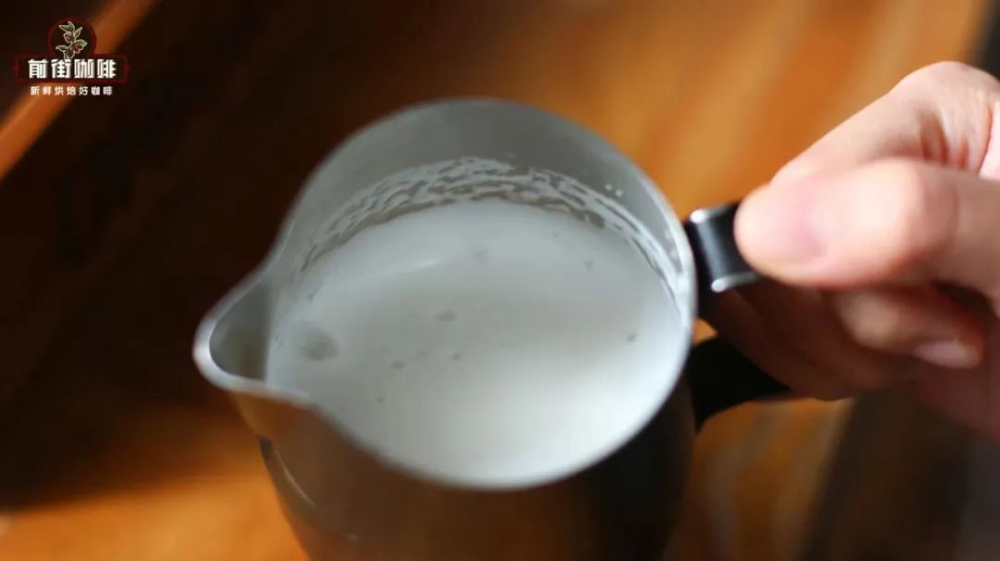
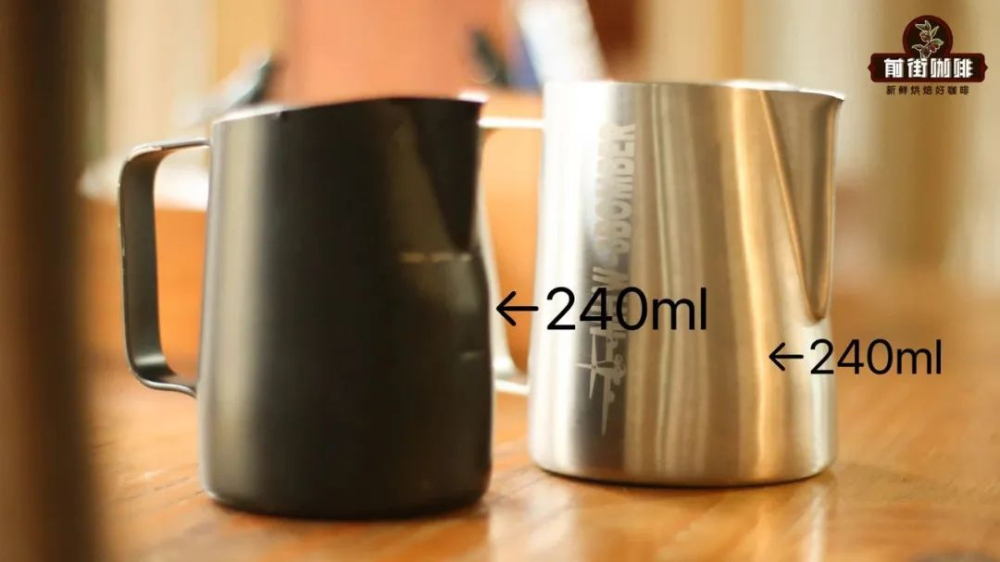
In addition to improving the texture of the milk foam, pouring between pitchers also has a practical benefit—reducing milk waste. Many complex latte art designs require a lower pouring height, meaning the pitcher needs to be closer to the surface of the coffee. With a small-capacity pitcher, the limited tilt angle makes it difficult to get close enough to the liquid surface to create fine patterns. Therefore, larger-capacity pitchers are usually chosen for latte art. However, large pitchers require more milk to reach the appropriate steaming height, and the excess milk is often discarded after the design is completed, resulting in unnecessary waste.
To balance both foam quality and milk usage efficiency, many baristas first steam the milk using a small-capacity pitcher until it reaches an ideal texture, then transfer it to a larger-capacity pitcher for latte art. This way, they can precisely control the amount of milk used while taking advantage of the benefits offered by a larger pitcher to complete detailed designs.
So, how much of a difference does pouring between pitchers actually make in terms of foam texture and latte art results? To verify the practical effects of this technique, we conducted a test using 500ml of milk, steaming it to 60°C, and then comparing the outcomes with and without pouring between pitchers to observe the differences in latte art performance.
During the experiment, we prepared two latte art pitchers and separately pulled two shots of espresso (using 20g of coffee grounds, extracting for about 30 seconds to yield 38ml of liquid), pouring them into latte cups. One set of milk foam was used directly for latte art, while the other set was first poured between pitchers before starting the latte art process.
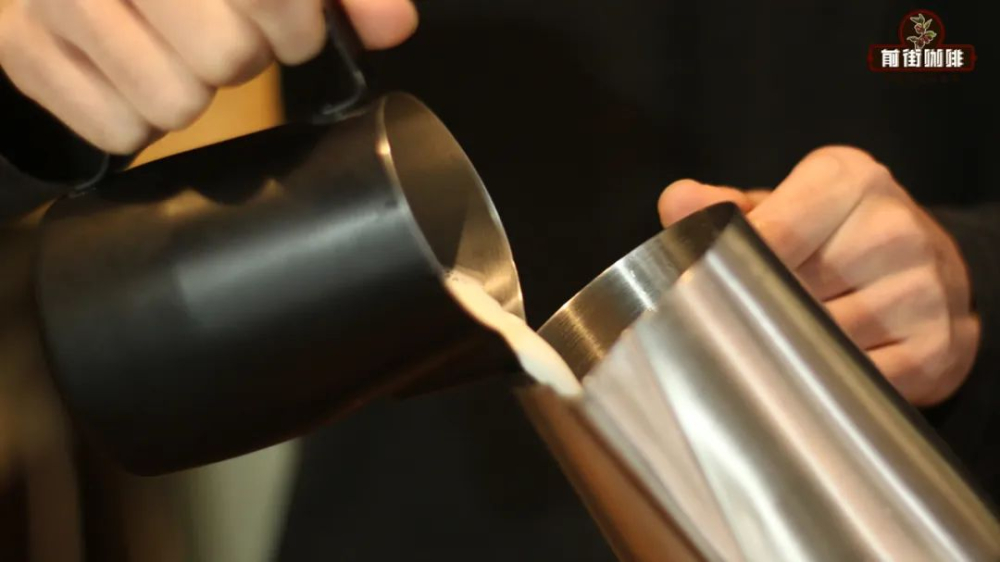

From the test results, it can be observed that the latte without pouring between pitchers still had some small bubbles visible in the foam, and when the foam was scooped away, a noticeable difference in thickness compared to the poured version could be seen. The latte that underwent pouring between pitchers had better foam integration, a noticeably smoother mouthfeel, and produced finer, more fluid latte art lines.
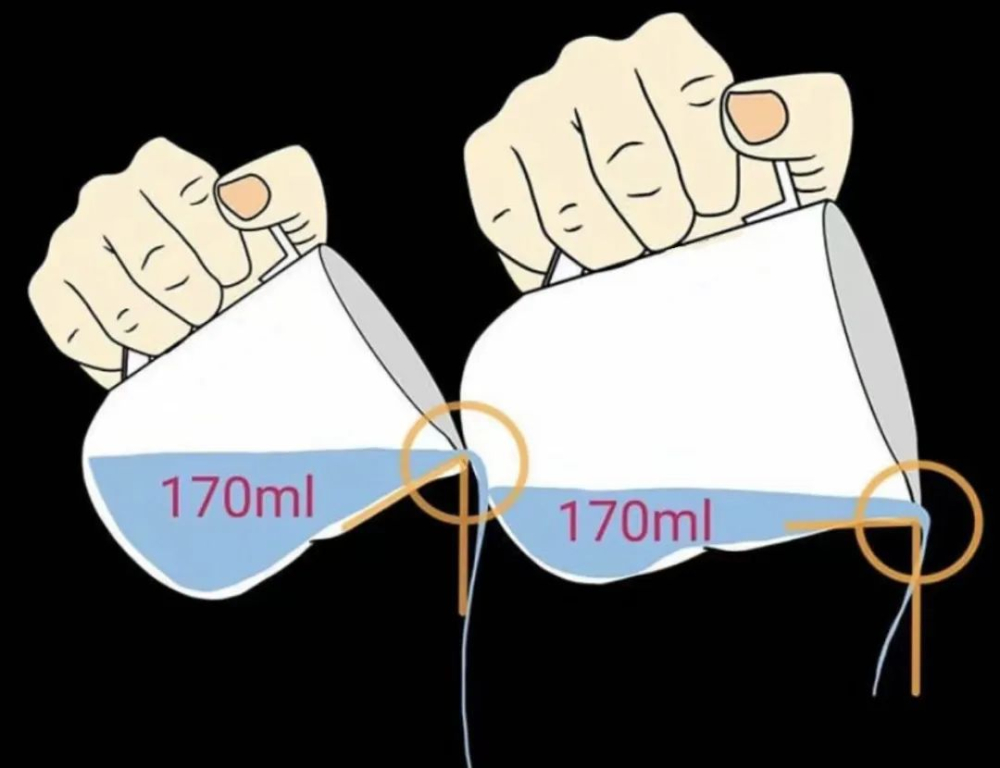
Based on the comprehensive test results, the pouring between pitchers technique not only improves the quality of the milk foam, making latte art smoother and designs clearer, but also enhances the overall drinking experience by delivering a silkier coffee texture. However, there are limitations to using this technique; it’s recommended to limit the number of pours between pitchers to 1–2 times. Excessive pouring can introduce larger bubbles and may accelerate the dissipation of the foam, ultimately affecting the final latte art outcome.
In summary, even if your home espresso machine lacks strong steam power, skillfully using the pouring between pitchers technique can still improve the condition of your milk foam and elevate the quality of your latte art, enabling you to take on detailed latte art designs at home.
The above content is compiled by CoffeeHunters, a coffee news website.


