







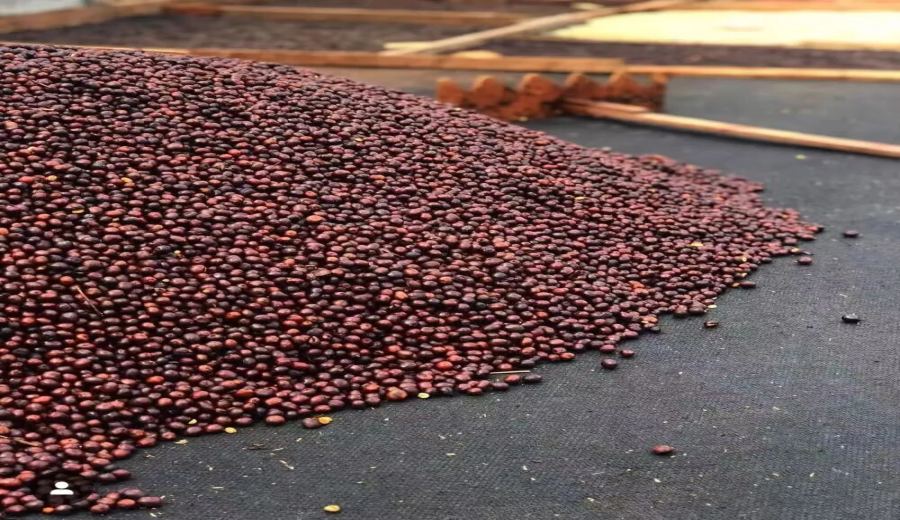
Introduction:Caturra and Catuai are widely planted Arabica coffee varieties in Central and South America. Although not as well-known as Typica or Geisha, they are the mainstay of production for many farms. This article delves into the origins, cultivation characteristics, flavor profiles, and recommended brewing methods of these two coffee beans, helping coffee enthusiasts and professionals better understand their real-world performance and selection criteria.
Within the large family of Arabica coffee varieties, besides the familiar Typica, Bourbon, or the recently spotlighted Geisha, there are two other significant players that should not be overlooked—Caturra and Catuai. Though these two may not be the most famous names on the market, they are the "backbone" of many coffee farmers and producing regions. From large estates to small-scale farms, they can be found almost everywhere.

This article will take you deep into the origin background, planting advantages, flavor characteristics of Caturra and Catuai, and compare the differences between them, so that you can have a clearer basis for judgment when selecting coffee beans or understanding regional characteristics.
Caturra was first discovered between 1915 and 1918 in a coffee plantation in Minas Gerais, Brazil. It is a natural mutation of the Bourbon variety, and its most notable characteristic is its noticeably shorter plant height. Due to its compact stature, it is called "Caturra" in the local Guarani language, meaning "small," and it also has an alias, "Nanico." Precisely because of this compact plant structure, it demonstrated remarkable adaptability and yield potential during subsequent cultivation and promotion.

The reason Caturra has become the main variety in many producing regions is not solely due to its flavor profile, but rather its extremely high yield and planting efficiency. Because the plants are short, farmers can plant more coffee trees per unit of land area, increasing overall planting density. Additionally, Caturra has a shorter branch spacing, allowing more coffee cherries to be produced per unit area. Although this also leads to branches being prone to breakage under the weight, it doesn’t diminish its appeal as a high-yield variety.
More importantly, compared to other traditional Arabica varieties, Caturra has stronger adaptability to environmental conditions. It has good tolerance to sunlight and can grow healthily under full sun exposure, which is why it is classified as so-called "Sun Coffee." This allows it to grow not only in shaded environments but also in sunny areas, significantly improving land use efficiency—an extremely attractive option for farmers focused on yield.
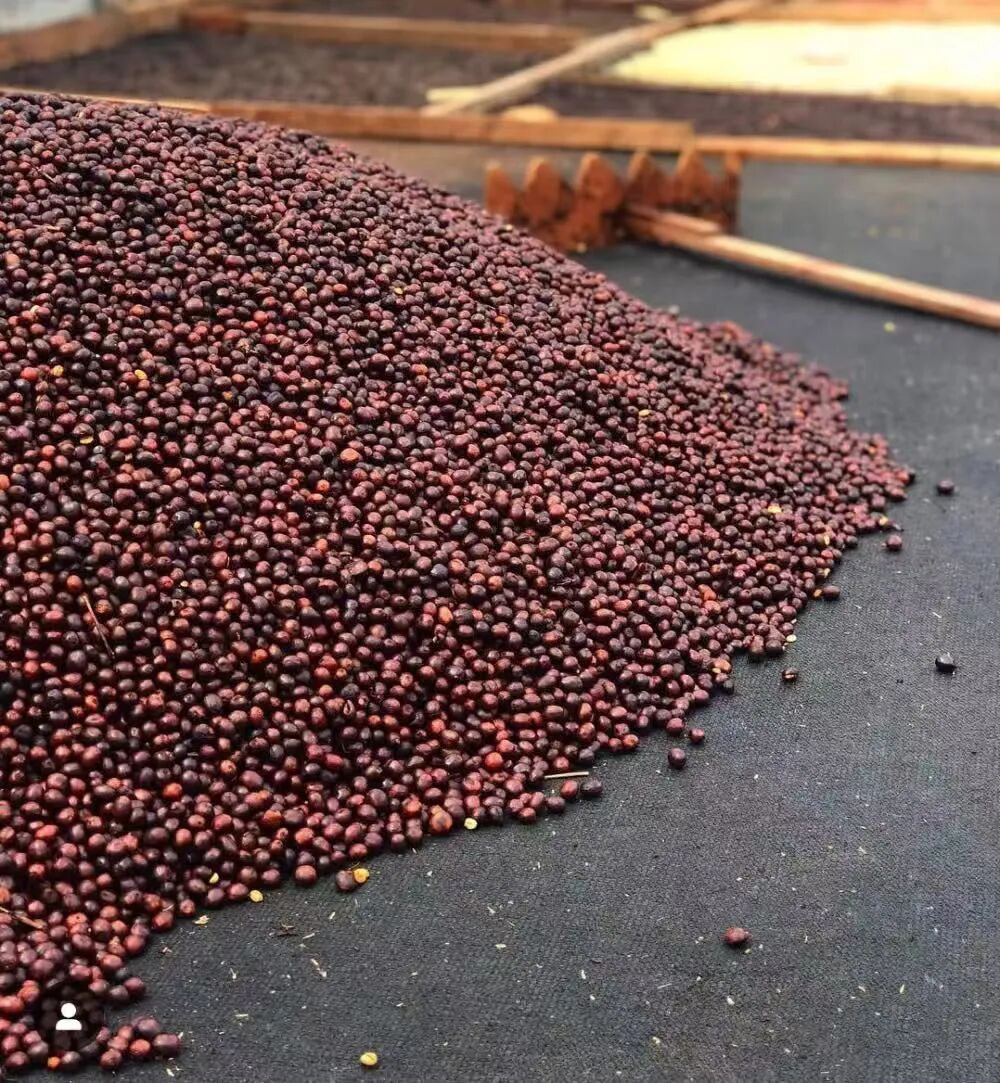
However, Caturra is not without its drawbacks. It has relatively weak disease resistance and is susceptible to common coffee diseases such as leaf rust. Therefore, more attention needs to be paid to plant health in management. In addition, Caturra comes in various fruit color variants, including red, yellow, and purple, with red and yellow fruits being more common and widely available in the market.
Catuai is the offspring of a cross between Caturra and another variety called Mundo Novo, which was officially introduced in Brazil in 1972. Mundo Novo itself is a natural hybrid of Bourbon and Typica, first discovered in 1943 in Trití-Mirim, São Paulo State, Brazil. Catuai was initially designated as "H-2077" and later given the Guarani name "Catuai," meaning "very good," which aptly reflects its overall performance.
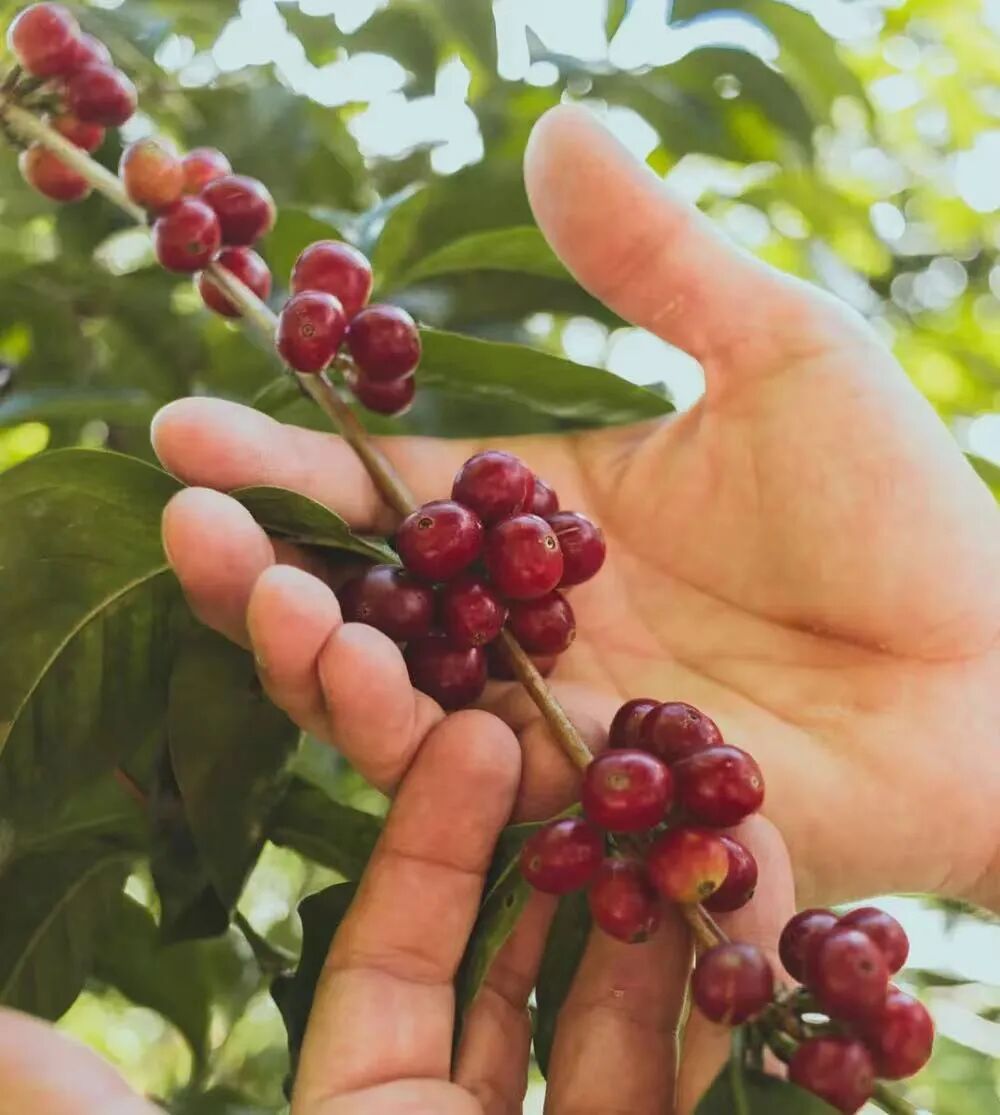
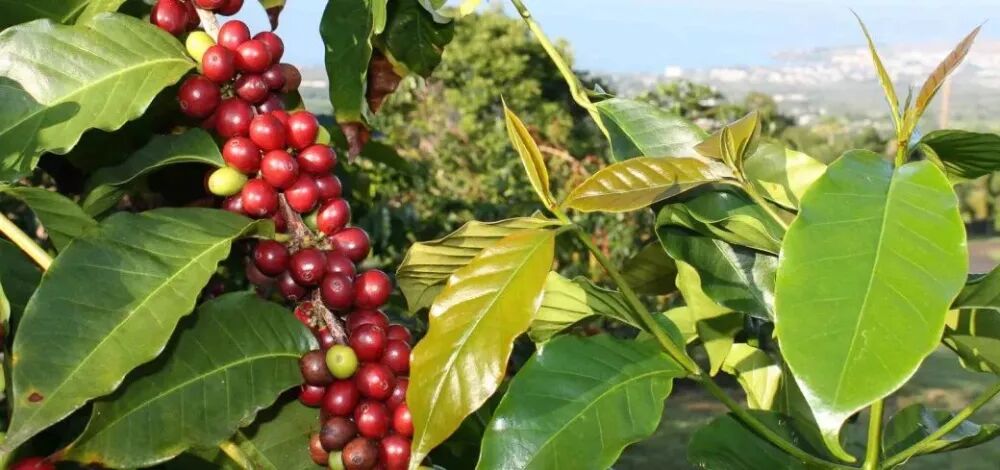
As a "hybrid descendant" of Caturra, Catuai inherits many advantages from its parent plants, including compact plant size, high-yield traits, and sunlight tolerance, while also offering improved disease resistance. As a result, shortly after its introduction, Catuai quickly gained favor among Brazilian farmers and became one of the important cultivated varieties locally, gradually spreading to other Latin American countries such as Guatemala, Costa Rica, and Panama.
In terms of flavor performance, both Caturra and Catuai achieve a certain standard, but both are highly sensitive to planting altitude. When grown at low altitudes, their flavors tend to be rather flat, with muted acidity, limited sweetness, and less complexity. However, once grown in suitable high-altitude environments (generally recommended above 1,400 meters), their flavor potential can be better expressed, often exhibiting bright acidity, rich fruity notes, and a good balance of sweetness.
Based on actual cupping experiences, Caturra and Catuai grown at high altitudes often display more complex layers in aroma and taste. For example, common flavor characteristics include citrus, berries, honey, cocoa, and even light fermentation notes with a tea-like finish. These qualities make them popular choices among many medium-sized farms and processing facilities within the specialty coffee supply chain.
Taking practical examples, high-altitude farms in the Boquete region of Panama often use Caturra and Catuai either in blends or as single-origin lots, enhancing their fruitiness and sweetness through refined processing methods (such as natural or honey processing). For instance, a well-known farm’s natural lot showcases a captivating combination of citrus, honey, cocoa, and light fermentation aromas, with a finish reminiscent of oolong tea, offering layers of complexity and a long-lasting aftertaste.
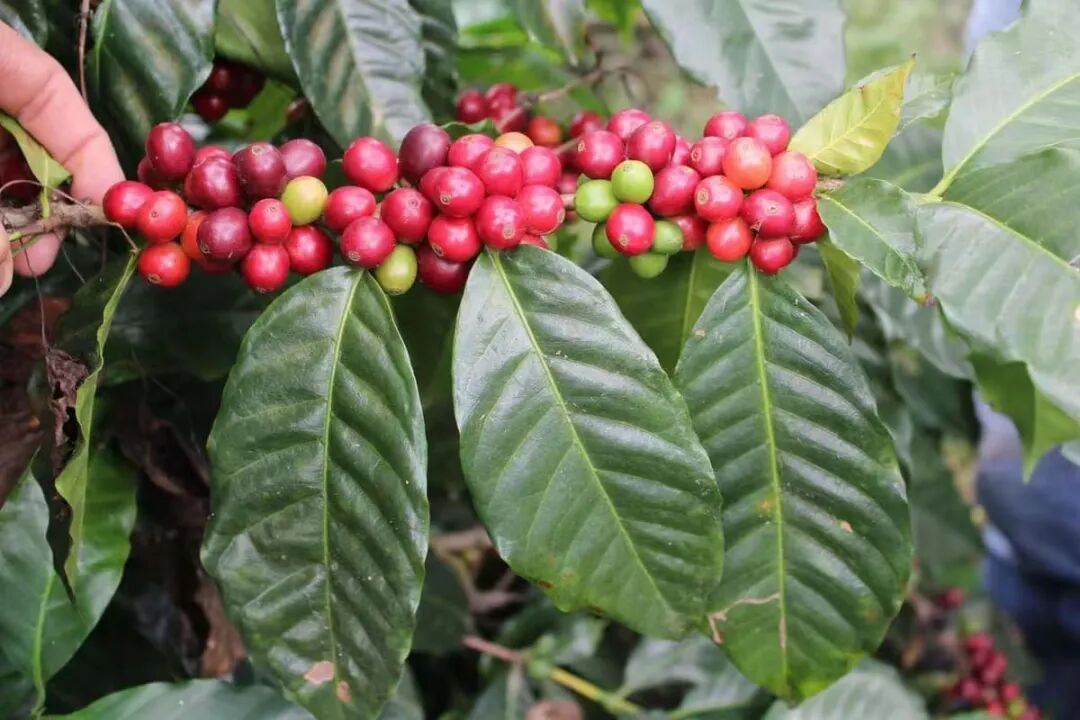
In summary, although Caturra and Catuai may not be the most talked-about coffee varieties, they are the cornerstone of stable output and quality in many producing regions. Caturra, with its high yield, sunlight tolerance, and strong adaptability, has become an important pillar of the Central and South American coffee belt. Catuai, while inheriting these advantages, further improves disease resistance and overall stability, making it a key choice for many modern farms.
For coffee enthusiasts looking to experience the charm of these two varieties, it is recommended to choose lots from high-altitude regions processed with refined methods, as they offer a better chance to savor their delicate fruit acidity, sweetness, and unique aromatic profiles.


The above content is compiled by CoffeeHunters, a coffee news website.

