







Introduction:The 8th Lujiazui Coffee Festival attracted 270 domestic and international coffee brands to participate, with many brands successfully capturing audience attention through uniquely designed merchandise. From oversized tote bags to creatively designed plastic bags, these gifts that combine practicality with design have become the hottest “social currency” at the event. This article takes you in-depth to explore how these merchandise help brands stand out, and why they are more popular than the coffee itself.
The 8th Lujiazui Coffee Festival recently officially kicked off, running for five days and attracting as many as 270 coffee brands to join in the celebration. Not only did it break the record for the number of exhibitors in previous years, but it also gathered more than ten overseas specialty coffee brands from countries including Australia, Japan, Thailand, Singapore, and South Korea. In addition to the coffee offerings themselves, one of the major highlights of this event was the creative efforts of exhibitors in their brand merchandise — especially those eye-catching and practical shopping bags, which became the center of attention.
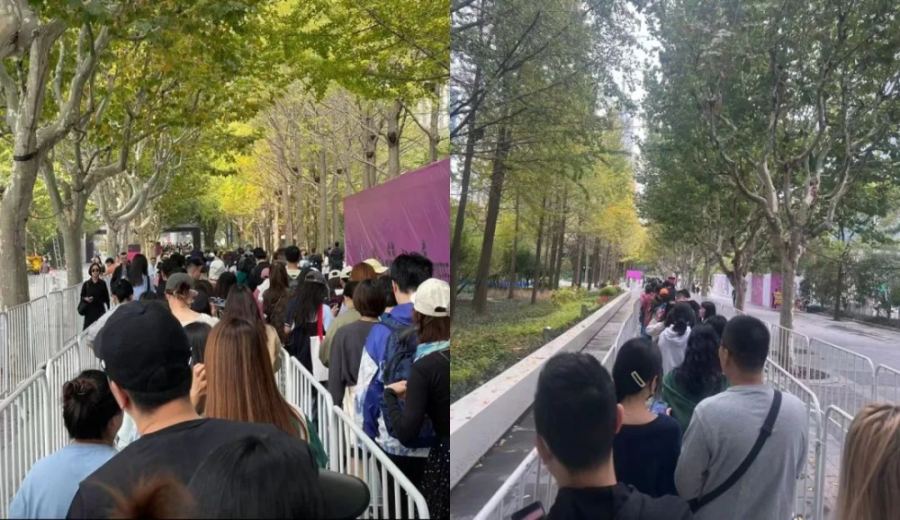
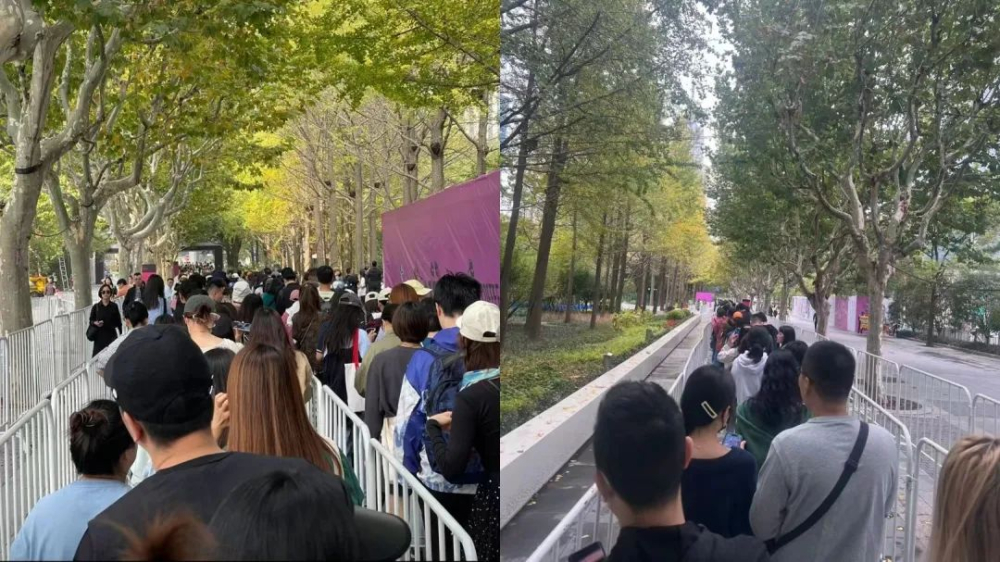
Walking into the venue, the crowd was bustling. Many visitors didn’t head straight for the coffee stalls but instead immediately started searching for those “must-have” merchandise bags. This year’s merchandise ranged from extra-large tote bags to classic red-and-yellow plastic bags reminiscent of 1980s wholesale markets, with such a variety of styles and creative designs that it was overwhelming. These items not only had high recognizability, but also sparked a “collection craze” due to their practicality, even becoming a more sought-after “hard currency” than coffee itself.
Why do brands place such importance on merchandise design? The answer is simple: in an era where coffee flavors are becoming increasingly homogenized, for a brand to stand out, it must rely not only on the coffee itself but also on merchandise to create talking points and memorable impressions. Many exhibitors offered limited-edition merchandise giveaways through methods such as on-site purchases, following official social media accounts, or sharing check-ins. These strategies not only increased brand visibility but also successfully engaged fans. Amidst this “sensory feast,” the bags with exaggerated designs and straightforward slogans often became the most “viral” items on-site.
Observing the scene, these bags went to great lengths in size — some were so large they could seemingly fit a child. Their lengths were also considerable, and when carried by shorter individuals, they might even drag on the ground. The choice of materials was equally diverse, ranging from classic tote bags and eco-friendly woven bags to stylish PVC handbags, and even dramatically thin plastic bags full of theatrical flair.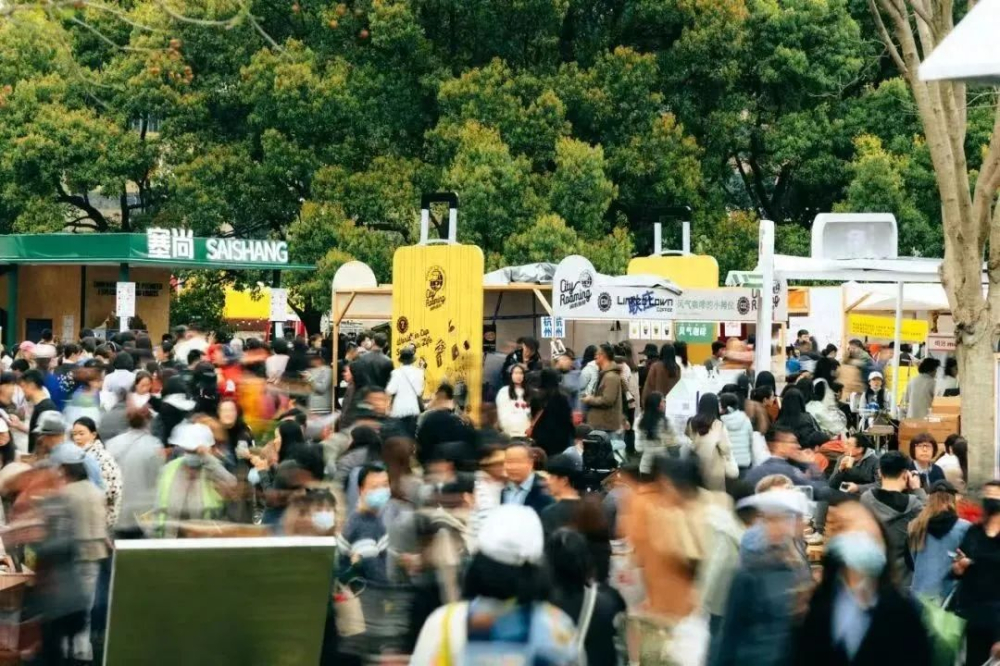 These materials not only affect the overall feel but also relate to ease of use and durability — details that brands cannot overlook when selecting merchandise.
In terms of design language, brands also showed remarkable creativity. Slogans such as “The Show-Stealing Bag of the Coffee Festival,” “A Bag for Dreaming,” “Packed with a Whole Sack of ‘Bugs’,” and even the authentically Cantonese “Coffee Is Always This Good” added humor or directness, making these bags not just practical items but also popular props for social media photos. Whether used as a daily commuter bag or as an exhibition check-in accessory, these bags instantly made their carriers the most eye-catching figures in the crowd.
It’s worth noting that with coffee prices at the festival generally ranging from twenty or thirty yuan to several hundred yuan per cup — mostly clustered around thirty to forty yuan — consumers aiming to try multiple brands could quickly accumulate expenses totaling over a hundred yuan. In contrast, a cup of coffee paired with a design-forward and practical merchandise bag often felt like better value, prompting many visitors to come specifically to collect their favorite bags, creating the interesting phenomenon of “bags being more popular than coffee.”
In summary, the Lujiazui Coffee Festival is not just an annual highlight for coffee enthusiasts but has also evolved into a stage for creative and marketing battles among brands. As differences between coffees become increasingly minimal, the design and concept of merchandise — especially shopping bags — have become important tools for brands to attract attention, boost interaction, and shape their image. For consumers, these bags are not just practical everyday items but also serve as mementos and symbols of participation in this coffee culture celebration.
The above content is compiled by CoffeeHunters, a coffee news website.


