








Introduction:The Paragon cold sphere has gained significant fame in coffee competitions, claiming to preserve up to 40% of volatile aromas, resulting in a more complete extraction flavor. But what specific effects does it have on aroma, acidity, and overall performance during actual pour over brewing? This article takes Panama Boquete Geisha as an example, conducting practical tests with both conventional and cold sphere methods to analyze temperature changes and sensory experience differences, helping you decide whether this tool is worth the investment.
The Paragon cold sphere, which made its debut at the WBC World Brewers Cup, once became a focal point of industry attention. It is said that this ice sphere, designed by champion brewer Sasa Sestic, effectively cools the coffee liquid during extraction, thereby locking in up to 40% of volatile aromatic compounds, making the final beverage richer and more full-bodied in overall flavor. But can such theory truly hold up in real-world pour over practice?
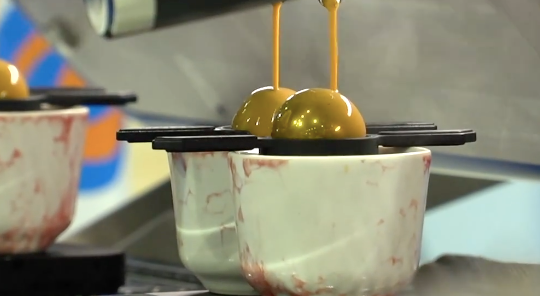
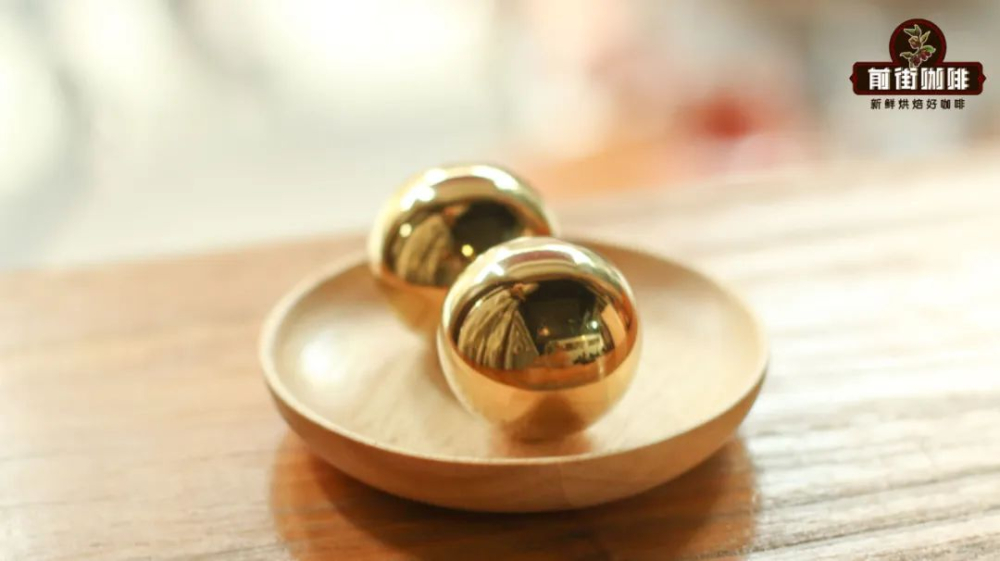
This uniquely shaped cold sphere initially stirred heated discussions on the competition stage—Sasa even won second place at the WBC with its help. He explained that when hot water passes through the coffee grounds and releases a large number of aromatic molecules, these substances often quickly volatilize due to high temperatures, and the role of the cold sphere is to absorb heat during extraction, slowing down the loss of aroma to achieve what is called an “aroma-locking” effect.
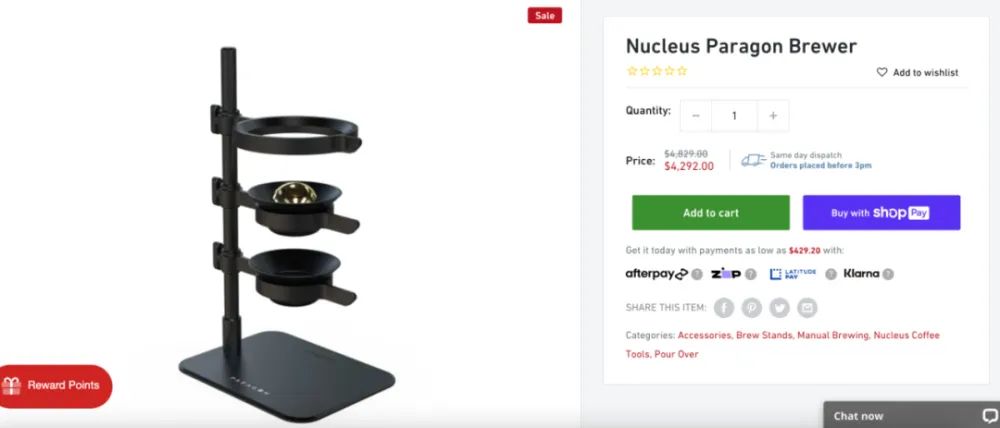
However, the high price of this tool has also deterred many coffee enthusiasts—in late 2022 when it first launched, the entire system was priced as high as $4,292, which was a hefty sum for most people. Fortunately, the price of the subsequent commercial version has been adjusted to be slightly more affordable, and while it’s still not an entry-level purchase, it has become a feasible option for coffee hobbyists with a more generous budget.
To verify whether the cold sphere can truly deliver a noticeable improvement in flavor, we used the classic Panama Boquete Geisha as our brewing bean, conducting comparative experiments between a standard pour over and one using the cold sphere, comparing aspects such as extraction temperature, aroma performance, and acidity changes in detail.
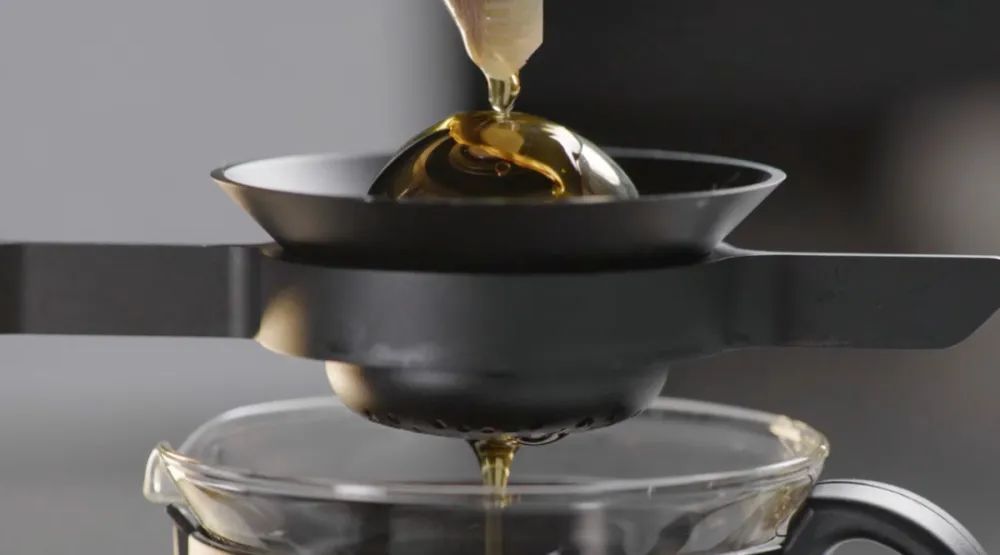
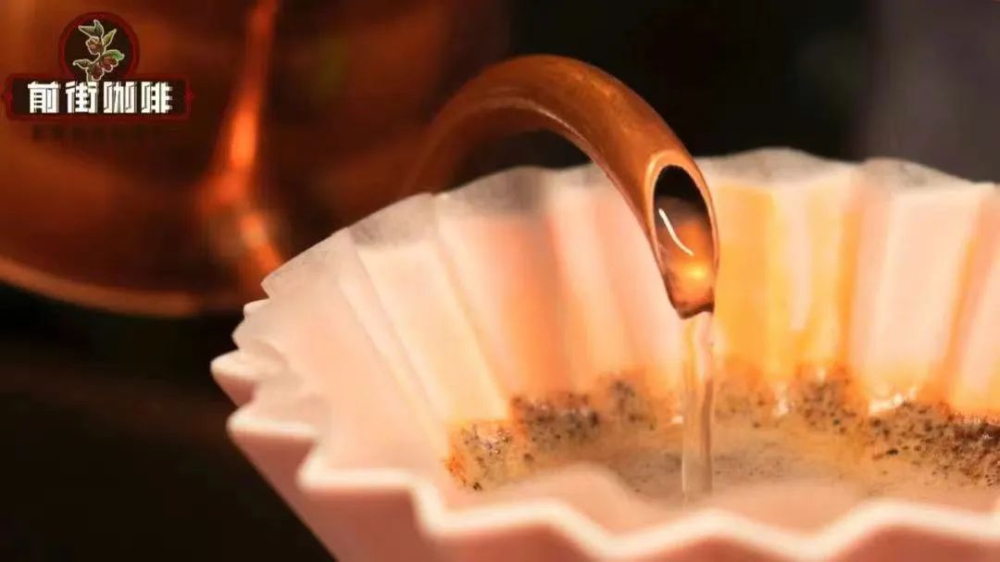
The experiment used 15 grams of Boquete Geisha, paired with 225 milliliters of 92°C hot water, at a coffee-to-water ratio of 1:15, using the Ek43 grinder set to grind size 10 (approximately 70% passing rate through a #20 sieve), and uniformly using the Origami dripper, with a three-pour extraction method. First was the standard pour over process: after extraction, the coffee liquid temperature was about 70°C, and the flavor performance at this point was quite pleasing—bright citrus acidity, soft white jasmine floral notes, and a creamy honey-laced finish, with clear layers and a smooth mouthfeel.
Next was the experimental group with the addition of the cold sphere. It’s important to note that the cold sphere should be placed as close to the filter paper as possible without touching it, to avoid affecting water flow and interaction with the coffee bed. Using the same three-pour method, the extraction liquid temperature this time was only 57°C, significantly lower than the standard group. When tasting, it was noticeable that due to the overall lower temperature, the mouthfeel was smoother and gentler, the jasmine aroma was indeed more pronounced, the citrus character remained evident, but the acidity was comparatively softer, lacking some of the bright, sharp stimulation.
However, since there was a fairly large temperature difference between the two groups of coffee, the initial observed differences might have stemmed solely from the sensory impact of temperature. To make a more precise comparison, we switched to the slurping method commonly used in cupping—by quickly drawing the coffee into the mouth to atomize it into fine droplets, increasing the surface area contact between aroma and taste buds, which helps to more objectively capture the essence of the flavors.
After actual slurping, it was found that the nuanced flavor performance of the two cups of coffee didn’t differ all that much. The previously perceived differences in aroma intensity and acidity changes were likely mainly due to sensory errors caused by the temperature difference. At higher temperatures, the coffee’s aroma may be more expressive, but it can also easily mask some finer details due to the heat; when cooled down, the flavors are more restrained, the acidity is softer, and the overall drinking threshold is lowered.
In summary, the most significant effect of the Paragon cold sphere lies in its ability to effectively lower the temperature of the brewed coffee liquid, reducing the interference of high temperatures on flavor perception—especially beneficial for those who prefer a gentler drinking experience, wishing to avoid burns or intense acidity stimulation. But as for whether it can significantly enhance aroma intensity or drastically alter the overall extraction profile, the actual performance is relatively limited.
For general home users who only occasionally enjoy pour over brewing, there’s not much need to specifically purchase the Paragon cold sphere; but if you’re curious about the details of extraction and want to further explore the actual impact of temperature on flavor, it might be worth trying out. As for accessories like the cold sphere holder, it’s recommended to consider them based on your personal budget.
The above content is compiled by CoffeeHunters, a coffee news website.


